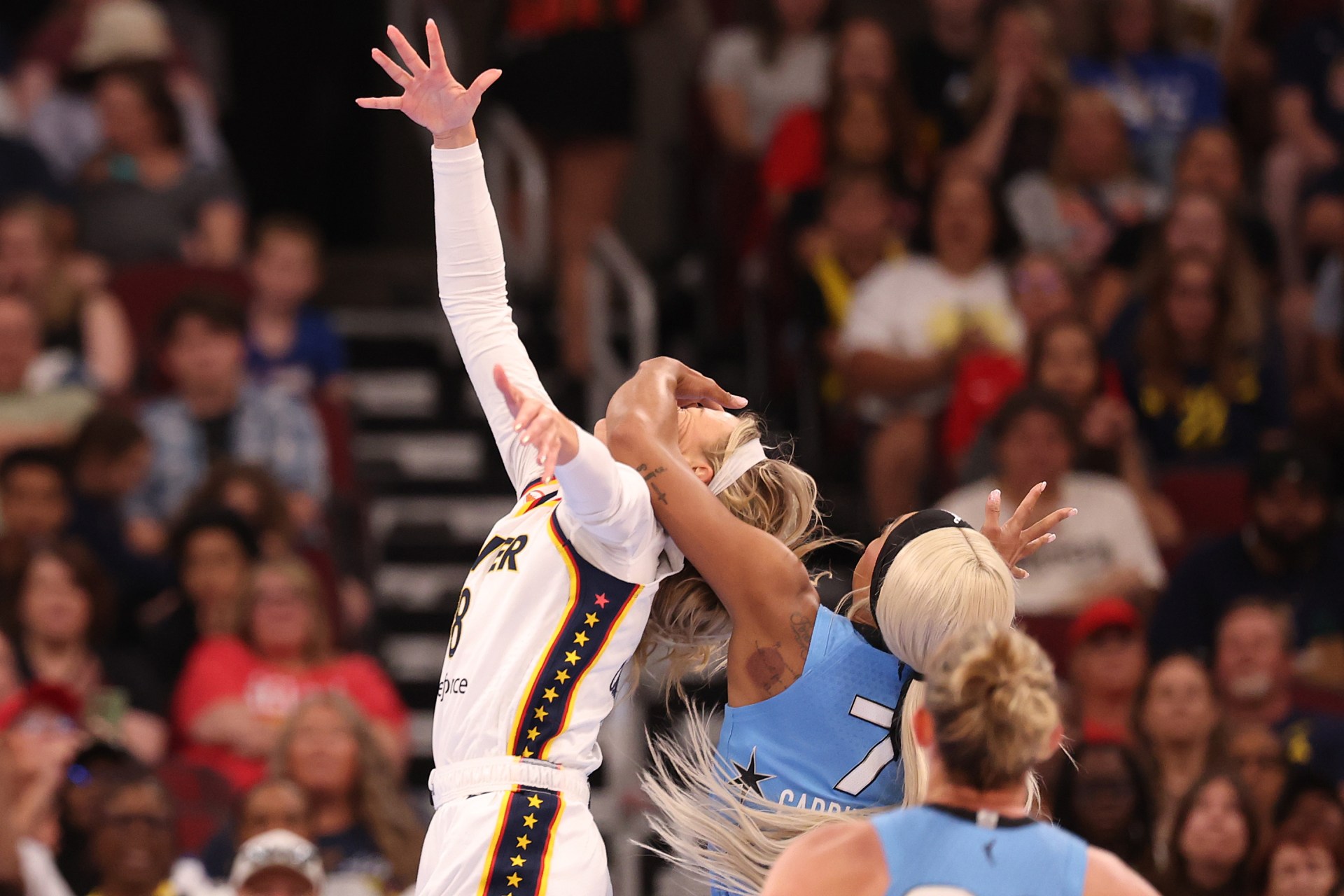
Sophie Cunningham and DiJonai Carrington’s WNBA Drama, Explained

Photo Michael Reaves / Getty Images Sport via Getty Images
A hard foul between DiJonai Carrington and Sophie Cunningham has turned into one of the WNBA’s biggest controversies of the week, with the incident sparking a heated debate about physical play, race and whether players are treated differently depending on who they are.
It started during the Chicago Sky’s game against the Indiana Fever on August 8.
With Cunningham driving toward the basket on a fast break, Carrington came from behind and made contact with Cunningham around the head and neck area, sending the Fever guard to the floor. Cunningham was able to get up and continue playing, but Carrington was assessed a Flagrant 2 foul and ejected from the game.
But the drama didn’t end with the ejection.
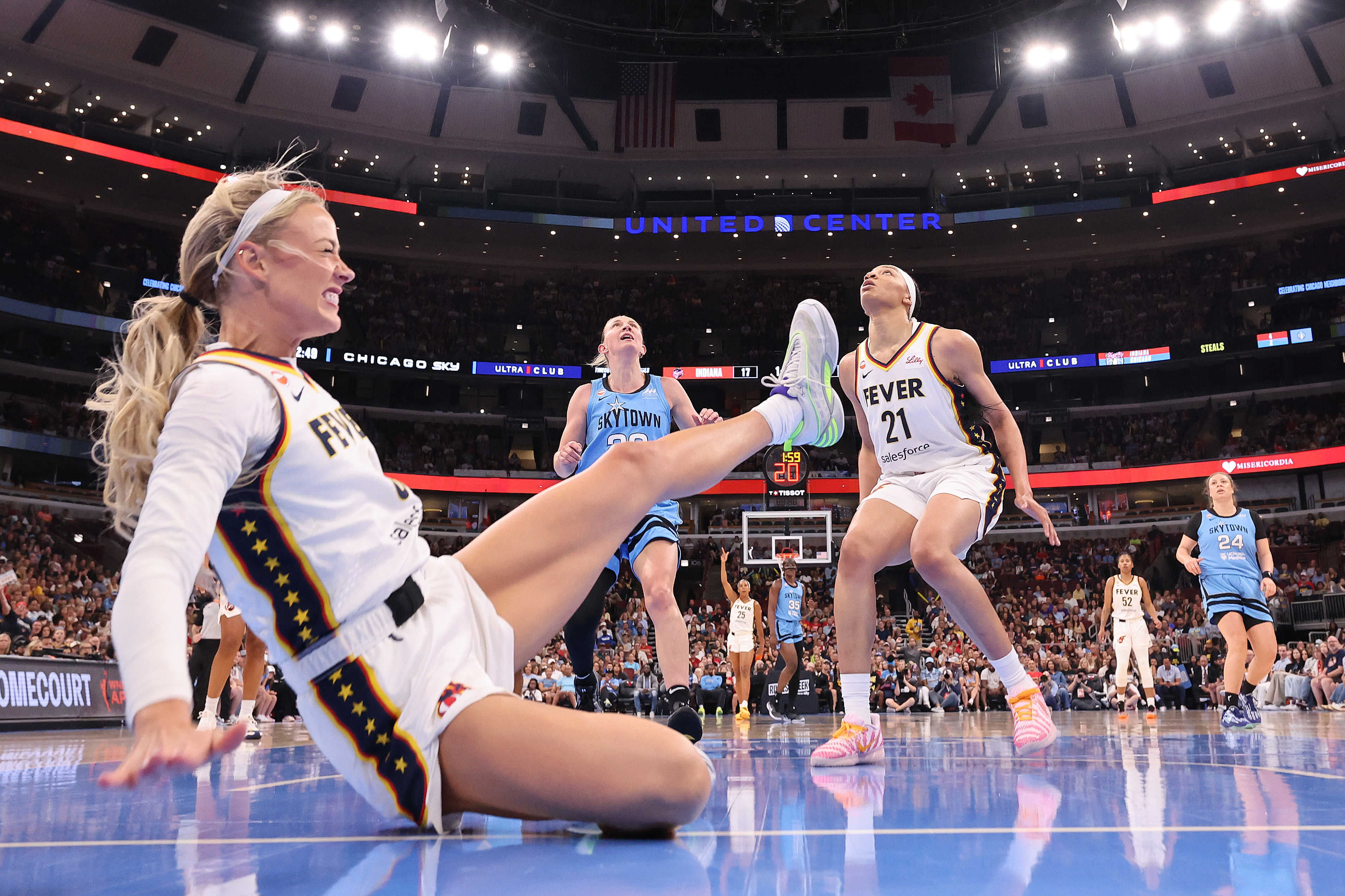
After the game, Cunningham said she believed the contact was intentional. That interpretation was disputed by Carrington, who has since insisted that the foul was not intentional. Carrington said she was making a basketball play and that her physical style of defense can sometimes result in hard contact.
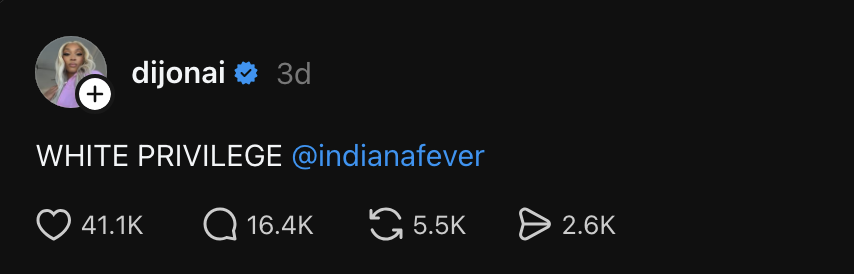
Shortly after the game, Carrington posted “WHITE PRIVILEGE” on Threads and tagged the Indiana Fever. The post immediately set off a much larger conversation about race in the WNBA.
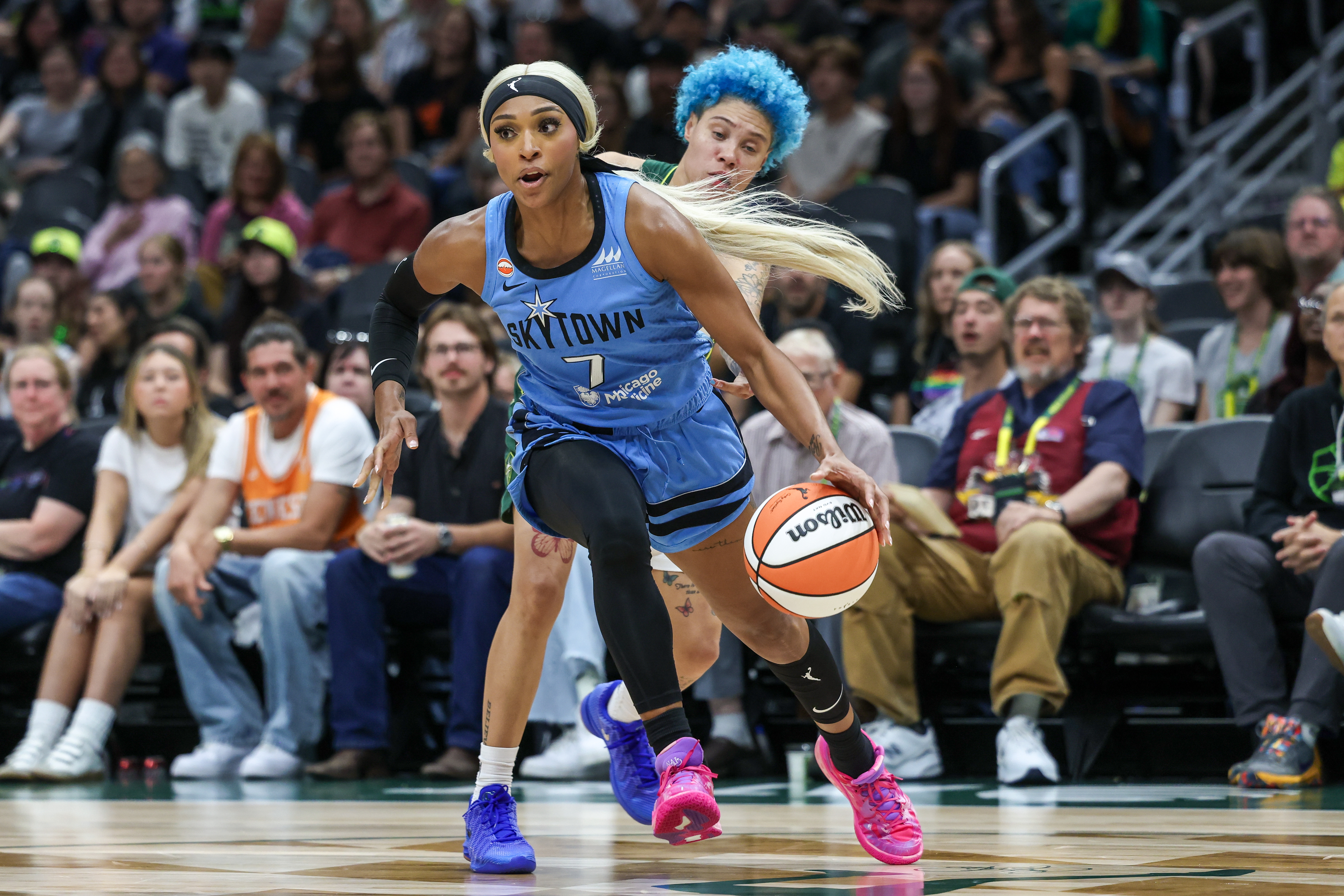
Because Carrington is Black and Cunningham is white, many people interpreted the post as an accusation that Cunningham’s race had influenced the way the foul was viewed or punished.
Carrington has since pushed back on that interpretation.
Speaking to reporters Monday, she said she never claimed that the Flagrant 2 call itself was the result of white privilege. She also continued to maintain that the foul wasn’t intentional.
At the same time, Carrington did not simply walk back her broader concerns about race. She argued for consistency in how the league treats physical play and said her comments were connected to larger issues of racial inequity rather than simply the particular foul that got her ejected.
The controversy is also being viewed through the lens of Cunningham’s own reputation as a physical player.
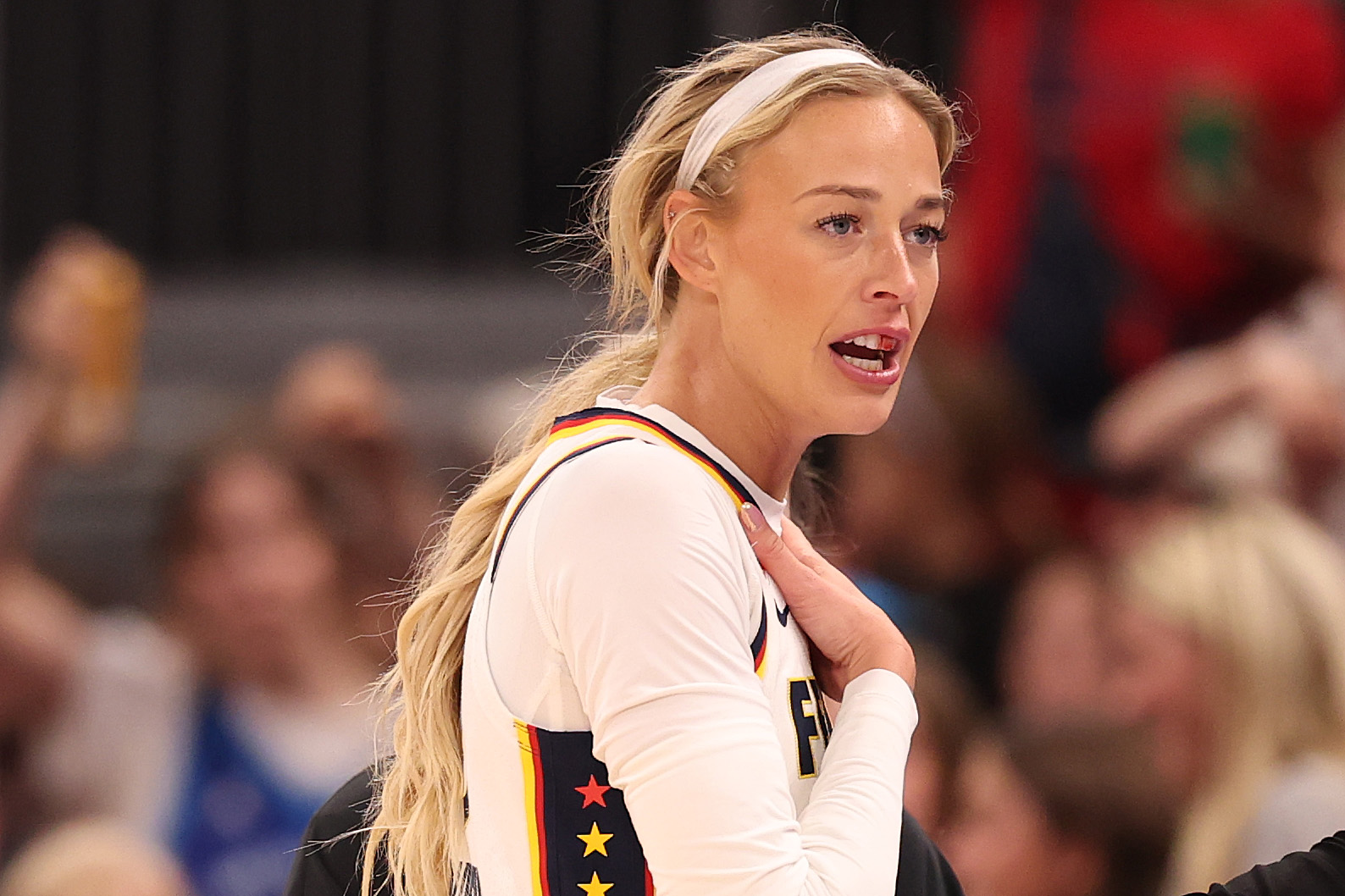
Cunningham became a major part of the WNBA’s physical-play conversation in 2025 after she was ejected for grabbing Jacy Sheldon and throwing her out of bounds during a game involving Caitlin Clark. The incident went viral and helped establish Cunningham as something of an enforcer for the Fever.
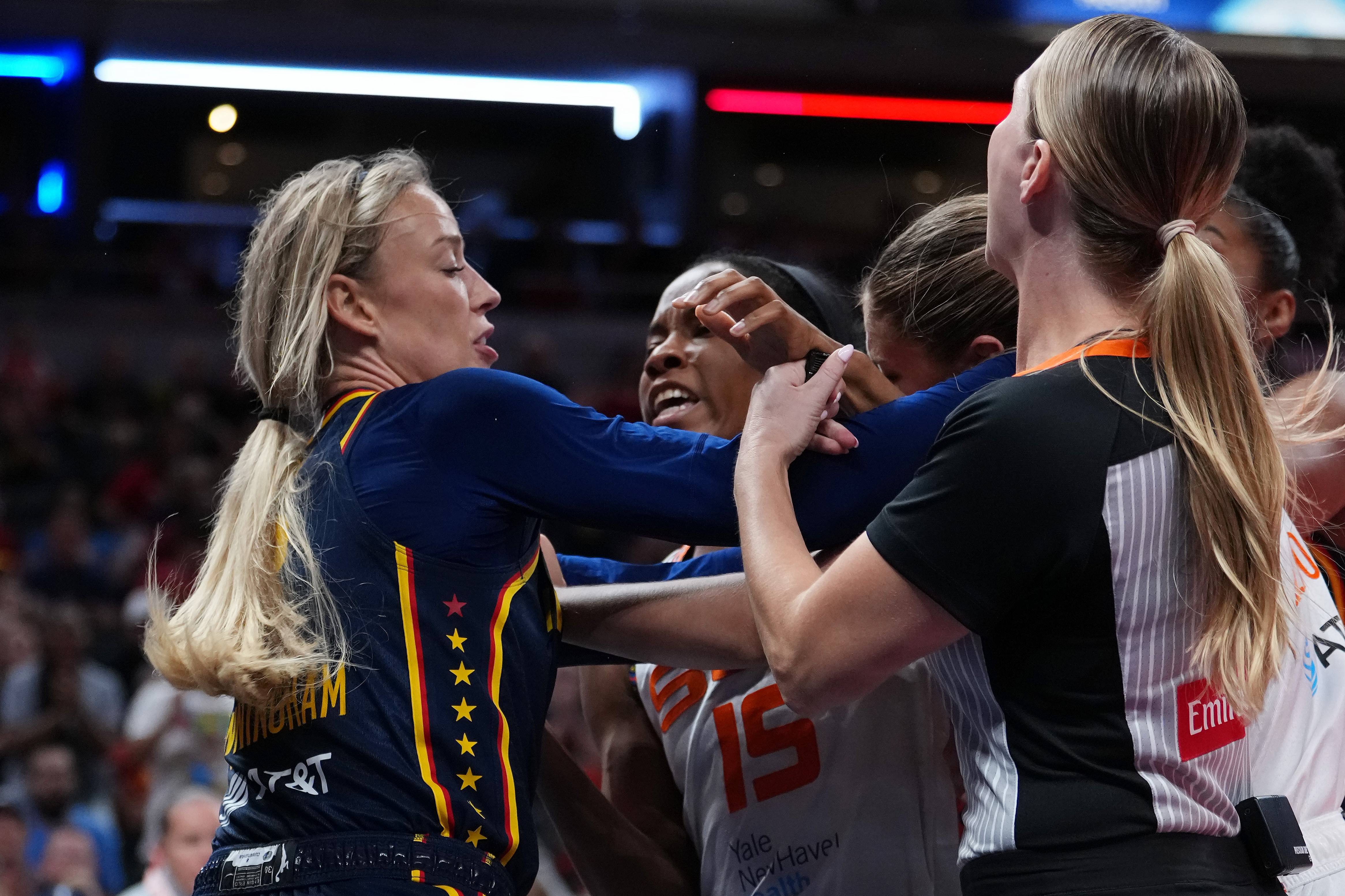
Some fans have pointed to Cunningham’s previous incident and argued that she was celebrated for being physical and protecting Clark, while Carrington has faced considerably harsher criticism for similar behavior.
Others reject that comparison, arguing that the two incidents aren’t identical and that Carrington’s Flagrant 2 was justified based on the nature of the contact with Cunningham.
The controversy gets bigger
The Carrington-Cunningham incident has also attracted commentary from people outside the WNBA, turning what began as a basketball dispute into a broader political and cultural argument.
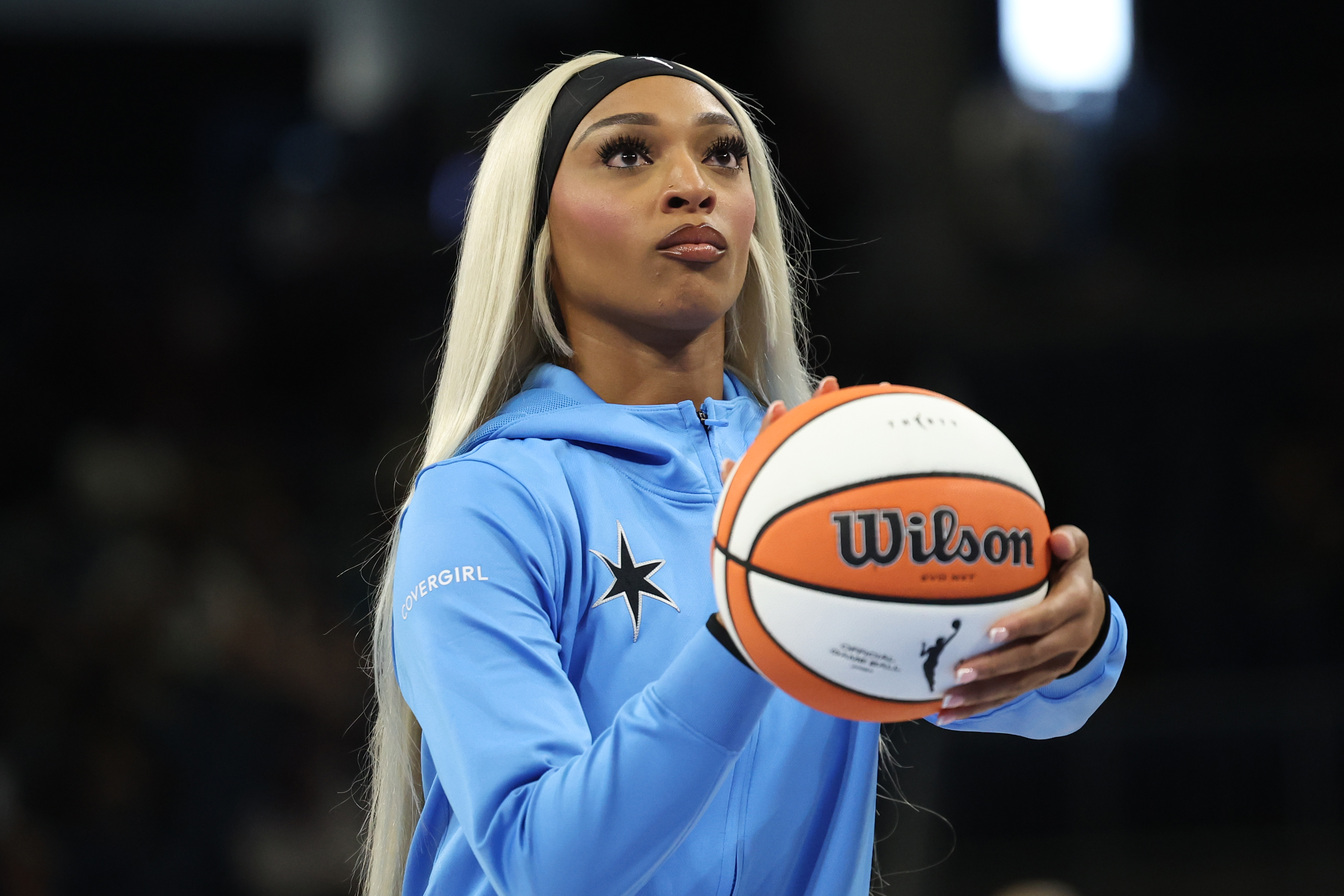
Some commentators have criticized Carrington for bringing race into the discussion, while others have argued that her point deserves to be taken seriously. The Guardian, for example, has framed the controversy around the broader question of whether white players receive different treatment and media framing than Black players.
Meanwhile, Carrington has emphasized that she is interested in consistency, saying the league should apply its standards regardless of a player’s skin color or the circumstances surrounding a game.
If this resonated, follow Thought Catalog on Facebook and explore more stories on our website.