New Broadcast Rules Target Sexualized Angles in Women’s Athletics

The guidelines point out which shots broadcasters should steer clear of.
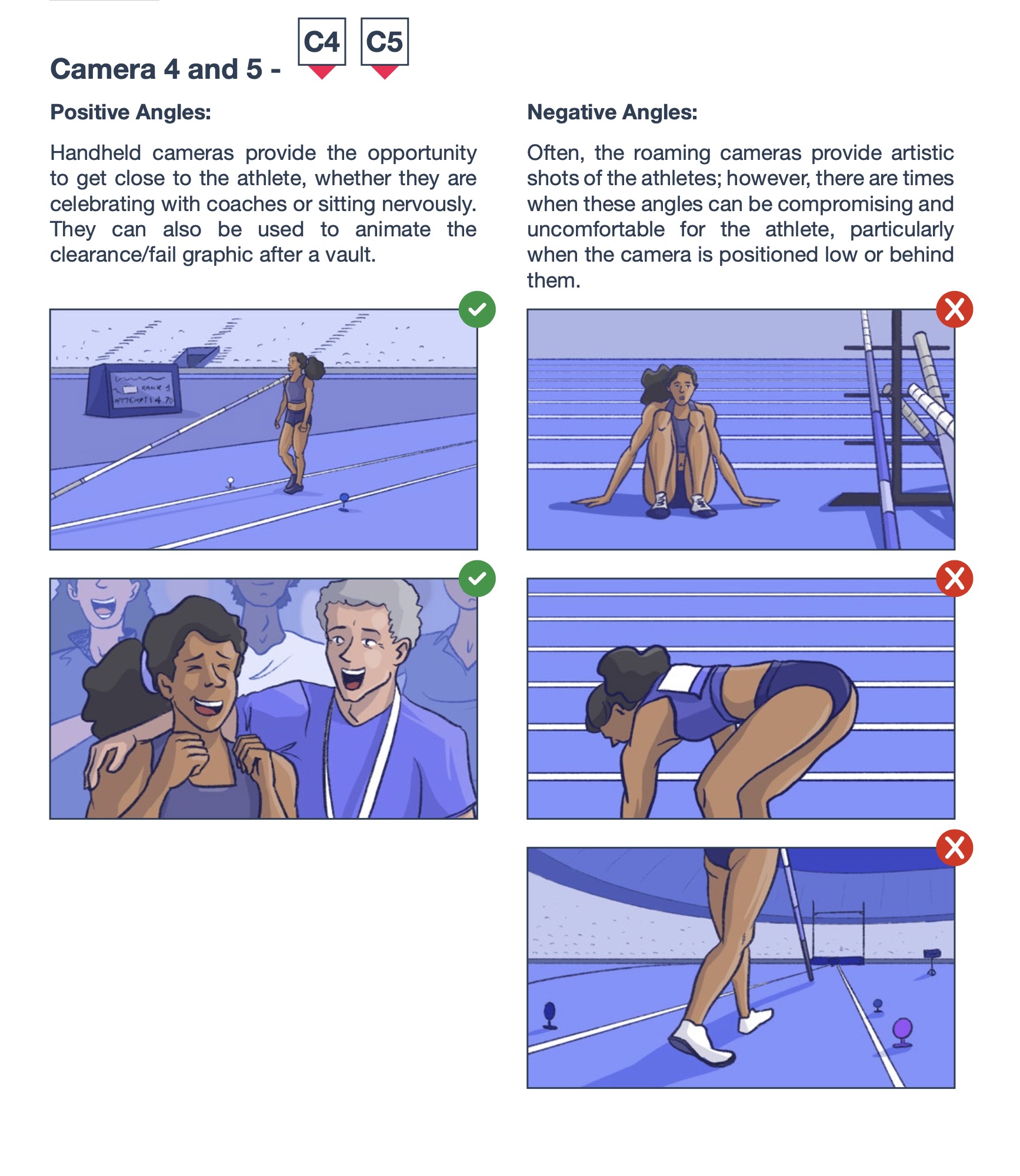
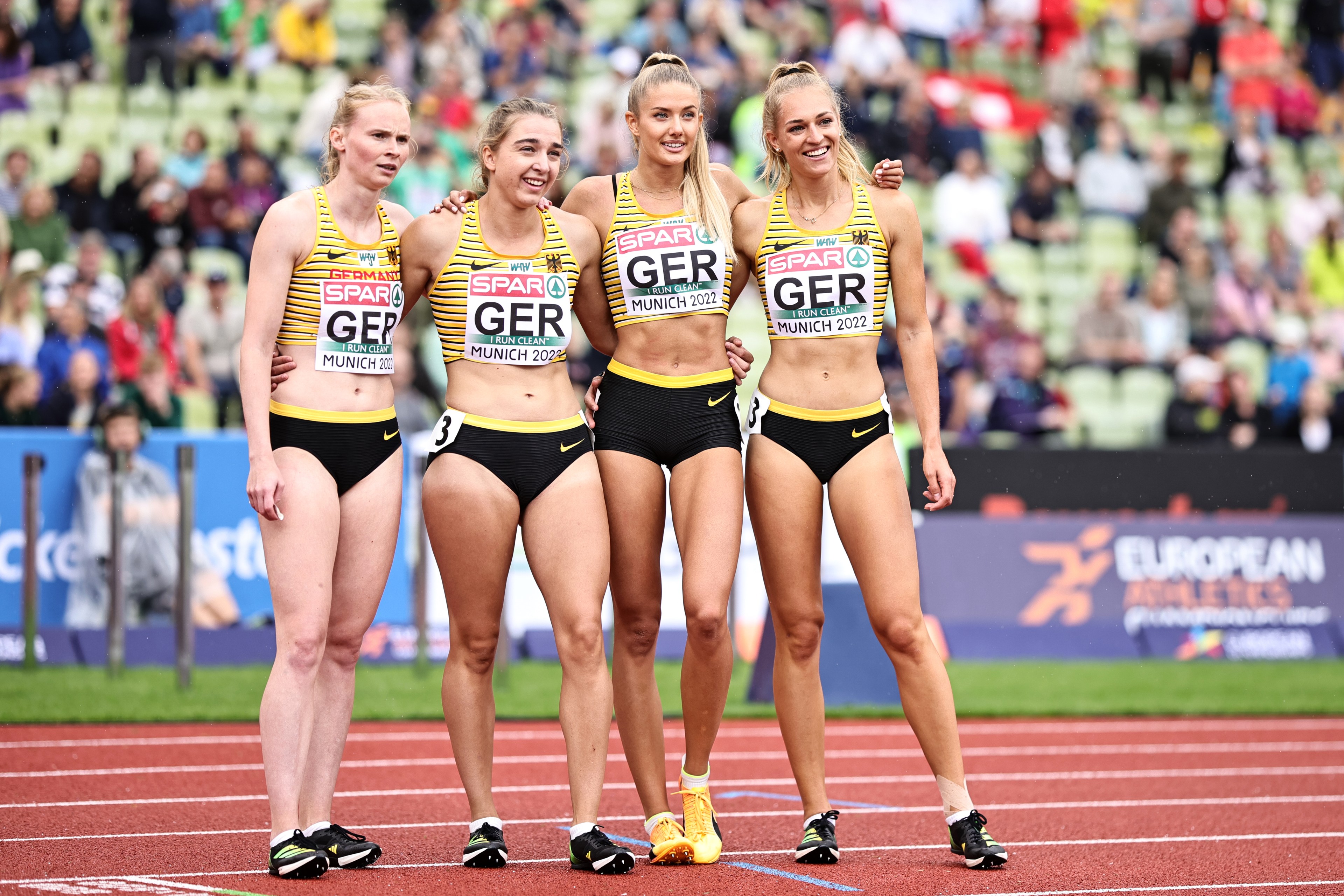
European broadcasters are being told to rethink how they film women’s athletics.
A new 23-page guide from the European Broadcasting Union and European Athletics advises production crews to avoid low cameras, tight shots from behind, below-the-pelvis framing and slow-motion replays that reveal little about performance. Developed with Olympic medalists Holly Bradshaw, Ivana Španović and Blanka Vlašić, Raising the Bar is voluntary but gives crews event-by-event alternatives.
Across high jump, pole vault, horizontal jumps and running events, the rule is the same: stay wide, show the technique and cut away before a landing or recovery produces a compromising image. The guide favors views of the approach, takeoff and body position, along with side-on replays and front-facing shots at starting lines and after races.
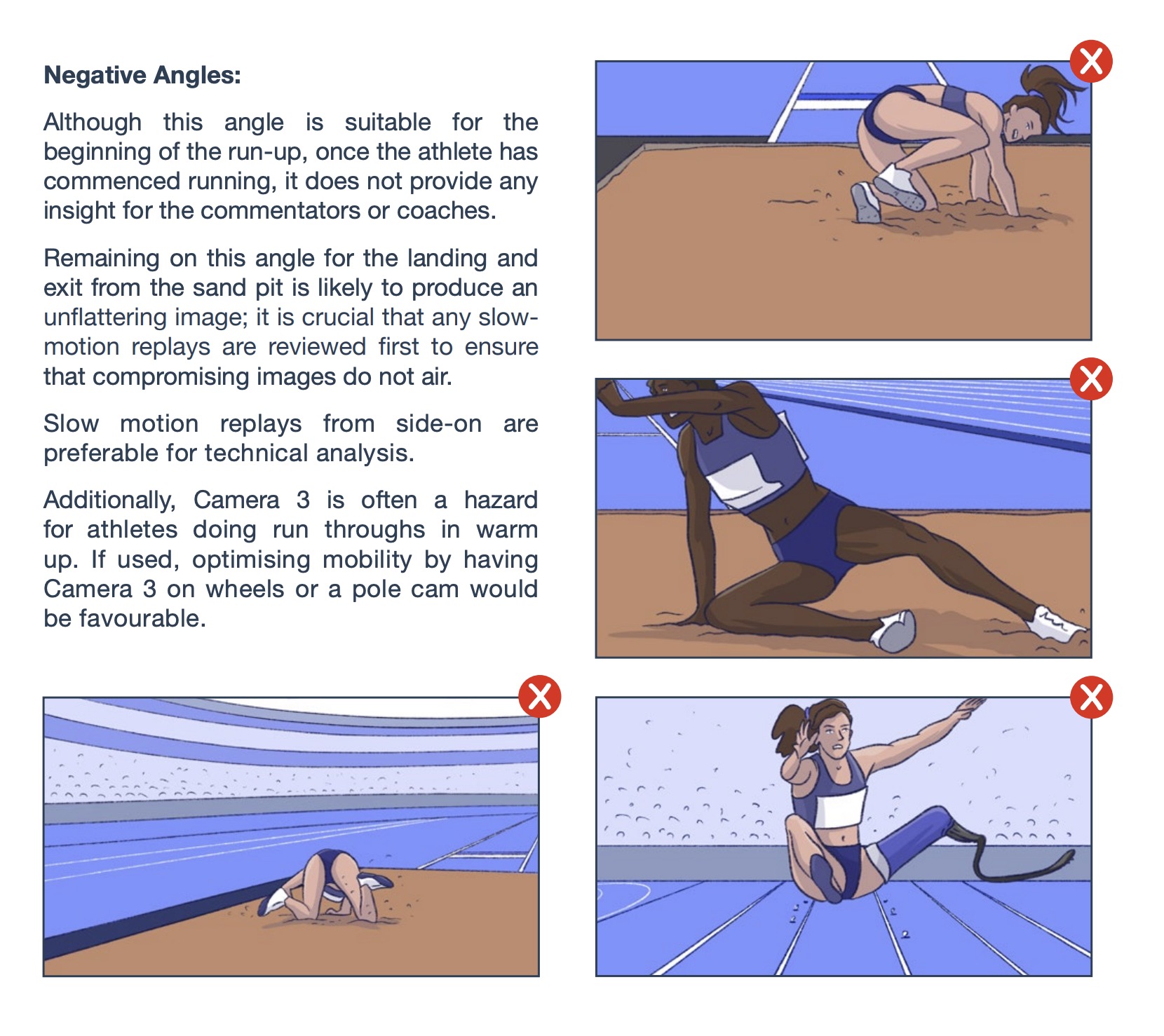
The athletes involved say those choices can also make broadcasts more useful. Bradshaw said the final strides, takeoff and inversion account for about 90% of a pole vault, giving commentators plenty to analyze without tight shots of the clearance or landing. Španović said poorly placed cameras can also interfere with warm-ups and create an injury risk.
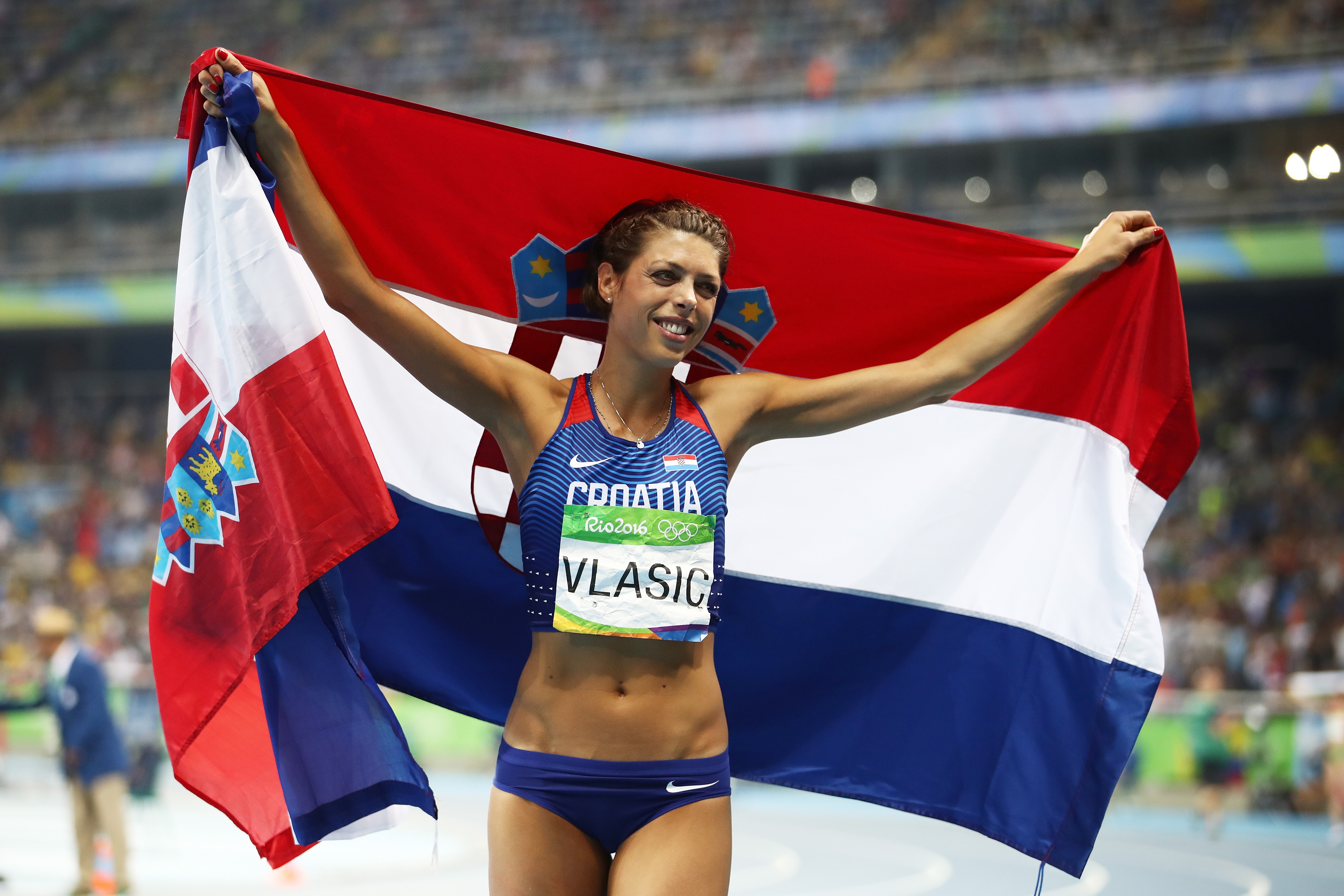
The guidance follows years of disputes over how women athletes are presented. Germany’s women’s gymnastics team wore full-length unitards at the 2021 Olympics to push back against sexualization. Nike’s high-cut Team USA track kit drew backlash in 2024, with Lauren Fleshman questioning why a sexualized design was being presented as the standard of excellence. Olympic Broadcasting Services had already promised a “sport appeal, not sex appeal” approach before Tokyo, including fewer close-ups of athletes’ bodies.
Research suggests the issue goes beyond a few controversial shots. One analysis found women athletes were about 10 times more likely than men to be filmed in an objectifying way. Other studies found coverage of men more often emphasized speed and strength, while coverage of women was more likely to focus on age, appearance or marital status.
Thanks for reading. Follow Thought Catalog on Facebook for more stories like this, or explore our website.