A Scottish Man Survived 382 Days on Nothing but Tea, Coffee, and Vitamins, Dropping from 456 Pounds to 180

He was 27, checked into a hospital for a short medically supervised fast, and simply refused to stop. By the time doctors let him eat again, he’d gone a full year and 26 days without a single meal.
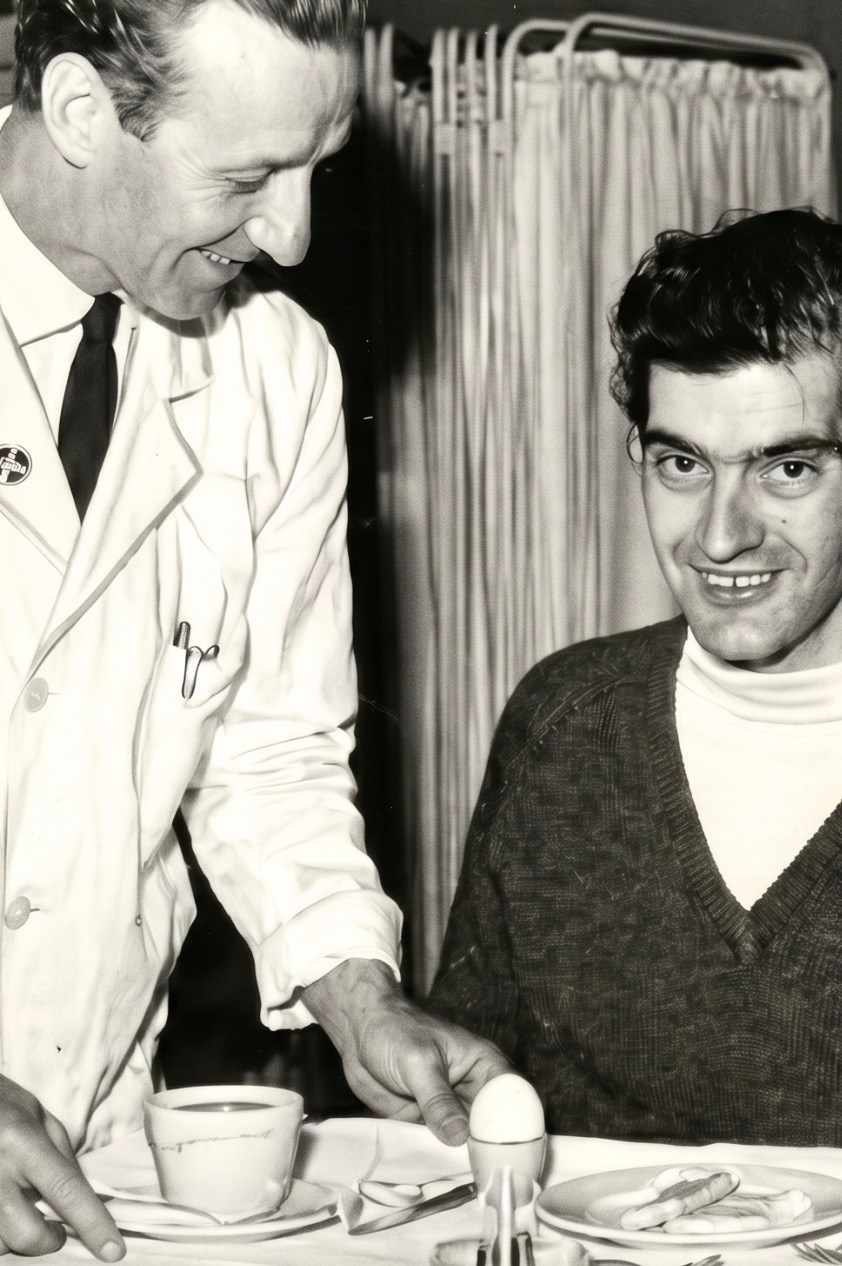
Angus Barbieri’s first meal after the fast was a boiled egg and a slice of buttered bread, eaten at 10 AM on July 11, 1966. “I have forgotten what food tasted like,” he told the reporters and photographers gathered to watch him eat. “It went down OK. I feel a bit full but I thoroughly enjoyed it.”
Before the fast, his weight ran his life. On a 1961 trip to Wembley Stadium, a group of people had to push and pull him through the door of the bus, and he couldn’t fit through the turnstile at the stadium, so police escorted him in through a gate.
He checked into Maryfield Hospital in Dundee in June 1965 at age 27. Doctors planned a brief fast and preferred it that way, but Barbieri kept going because he’d adapted so well and wanted to hit his goal weight. He quit his job at his father’s fish and chip shop to stay away from temptation, and the shop closed during the fast. Eventually he lost all desire to eat.
For most of those 382 days he lived at home, coming in for outpatient checkups and blood and urine tests. He got by on vitamins, electrolytes, yeast, and zero-calorie drinks like tea, coffee, and sparkling water, though in the final weeks he occasionally added milk or sugar. Stool tests weren’t taken, but he reportedly went up to 48 days between them.
When he hit 180 pounds on July 1, 1966, doctors spent the next 10 days easing him back onto food with salt and then sugar before solids, which is why some sources record the fast as 392 days instead of 382. He celebrated by going to Spain for three weeks.
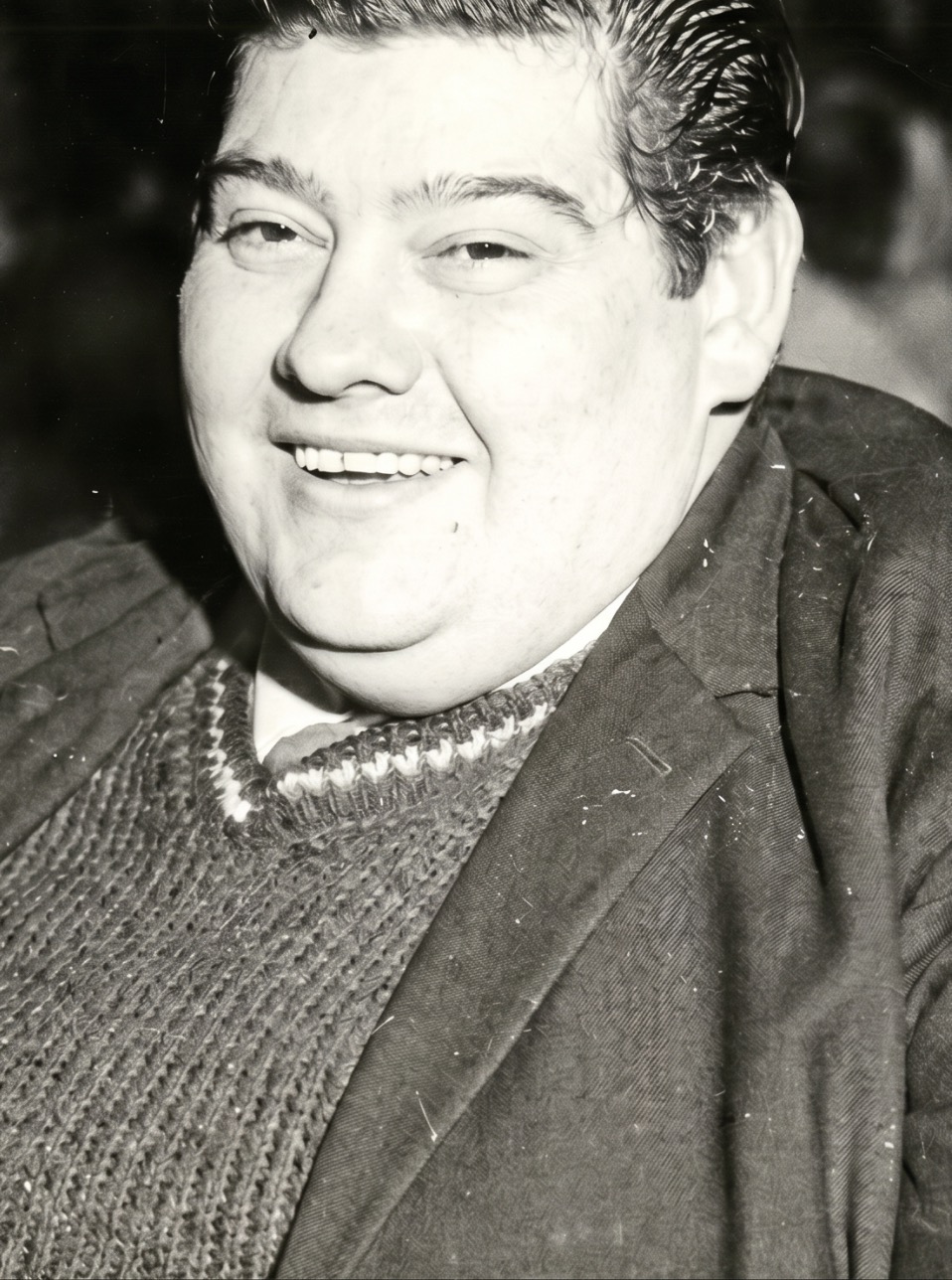
Guinness recognized it as the longest recorded fast in 1971, and as of 2026 he still holds the record for the longest fast without solid food. A 1973 study found he’d settled at a healthy 196 pounds and concluded the fast had no ill effects.
Nothing verified has come close under comparable conditions. Therapeutic fasts for severe obesity in the 1960s and 1970s pushed past 200 days in a handful of patients, with at least one documented death during refeeding, but none matched Barbieri. Dennis Galer Goodwin went roughly 385 days on a prison hunger strike around 1973, but he was force-fed through a tube, so Guinness treats it as a separate category. Bobby Sands, the most famous political hunger striker, died at 66 days in 1981.
The Instagram and TikTok version of this is almost entirely fiction. Accounts routinely claim 30, 60, 100-day fasts, sometimes “dry fasts” with no water, usually attached to a supplement, a coaching program, or a detox pitch. None are medically documented, Guinness no longer tracks the category because it encourages unsafe behavior, and doctors flag the usual tells: off-camera eating, “fasts” that quietly include juice or broth, and no bloodwork. Refeeding syndrome alone can kill someone who actually did what these videos claim.
He moved to Warwick, married, and had two sons. Barbieri died in 1990 after a short illness at age 51.
For more from Thought Catalog, follow along on Facebook or visit our website anytime.