Is It Really So Bad That Donald Trump Is Trying to Make Washington D.C. Look Like Paris?
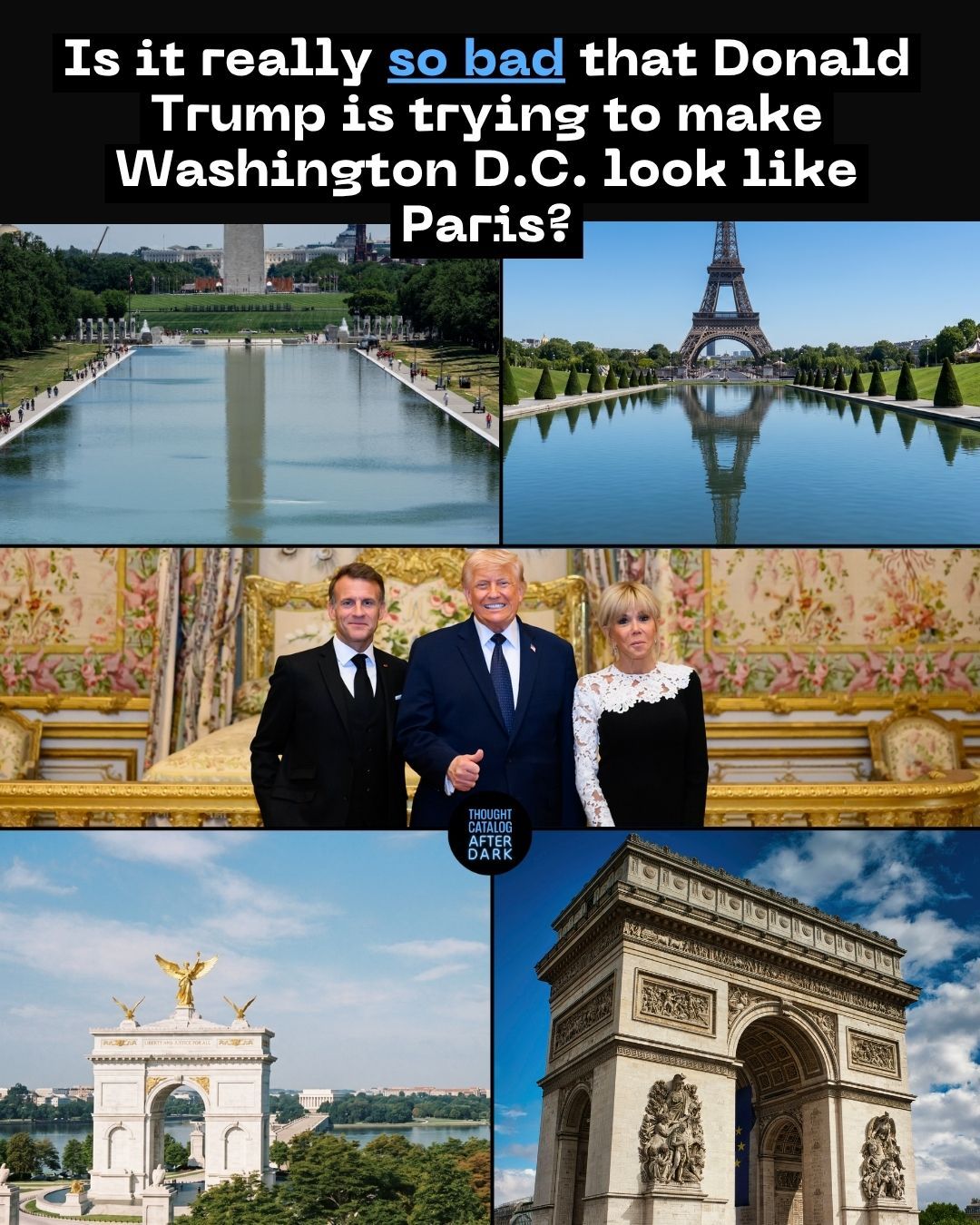
People are furious, and the projects are real.
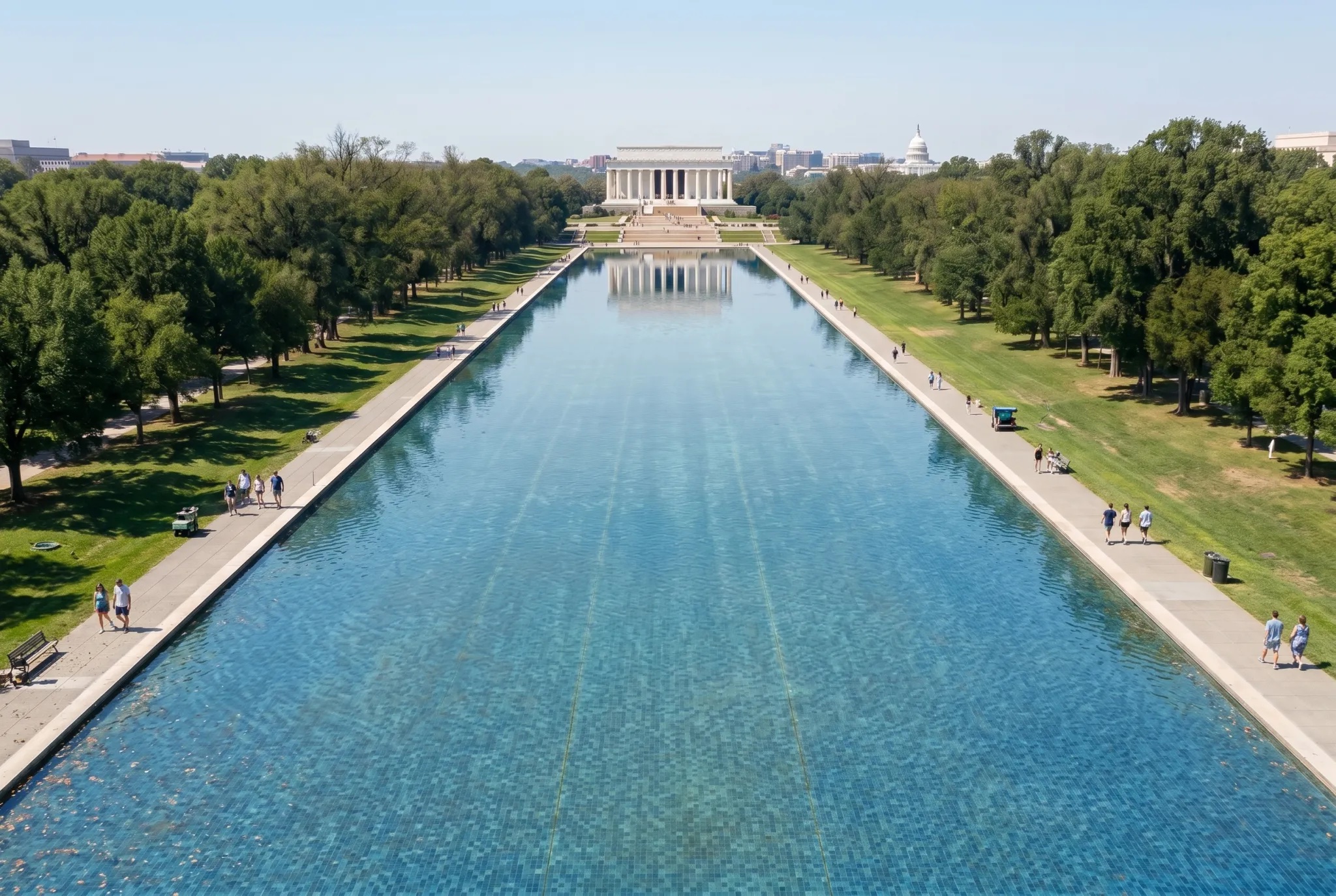
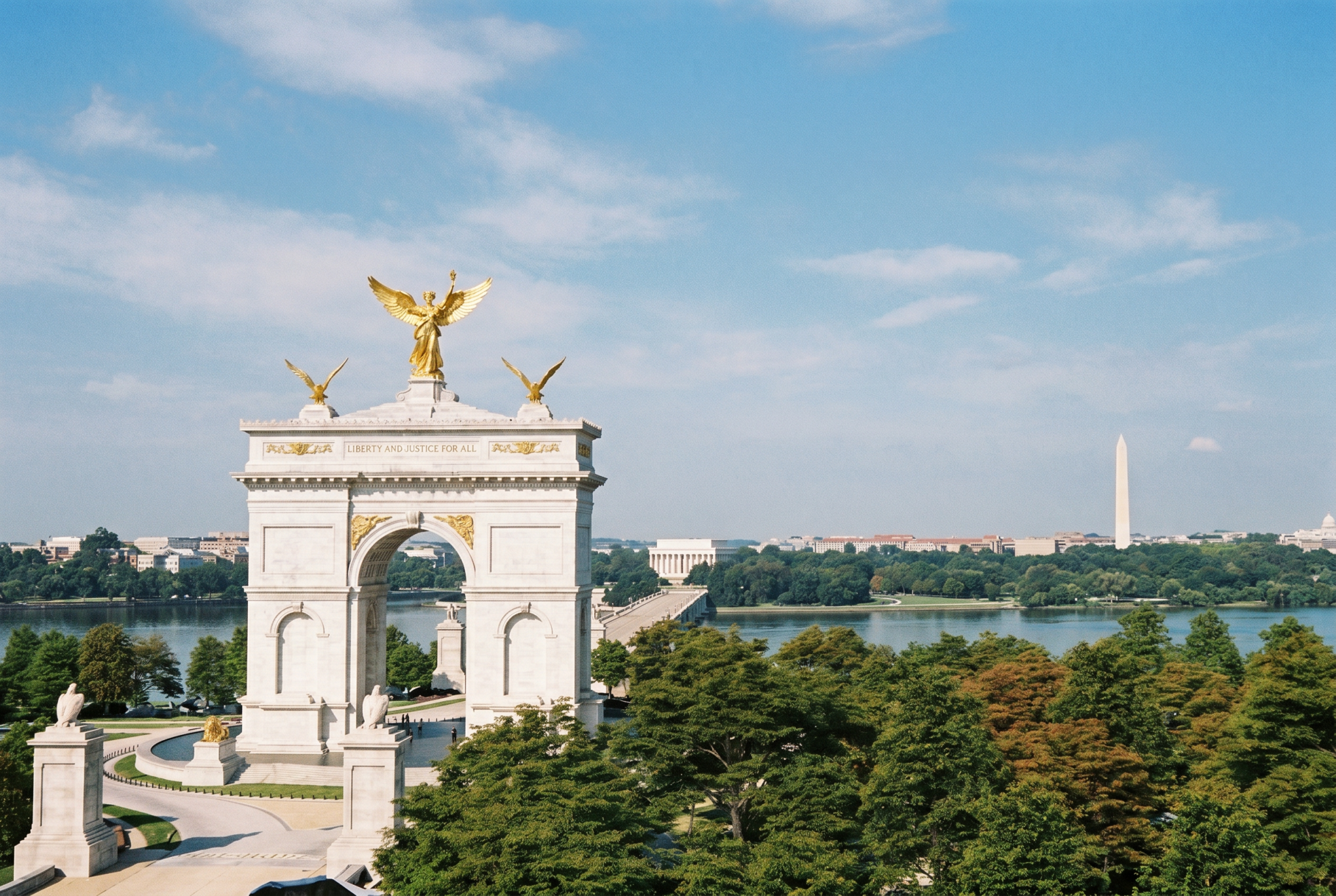
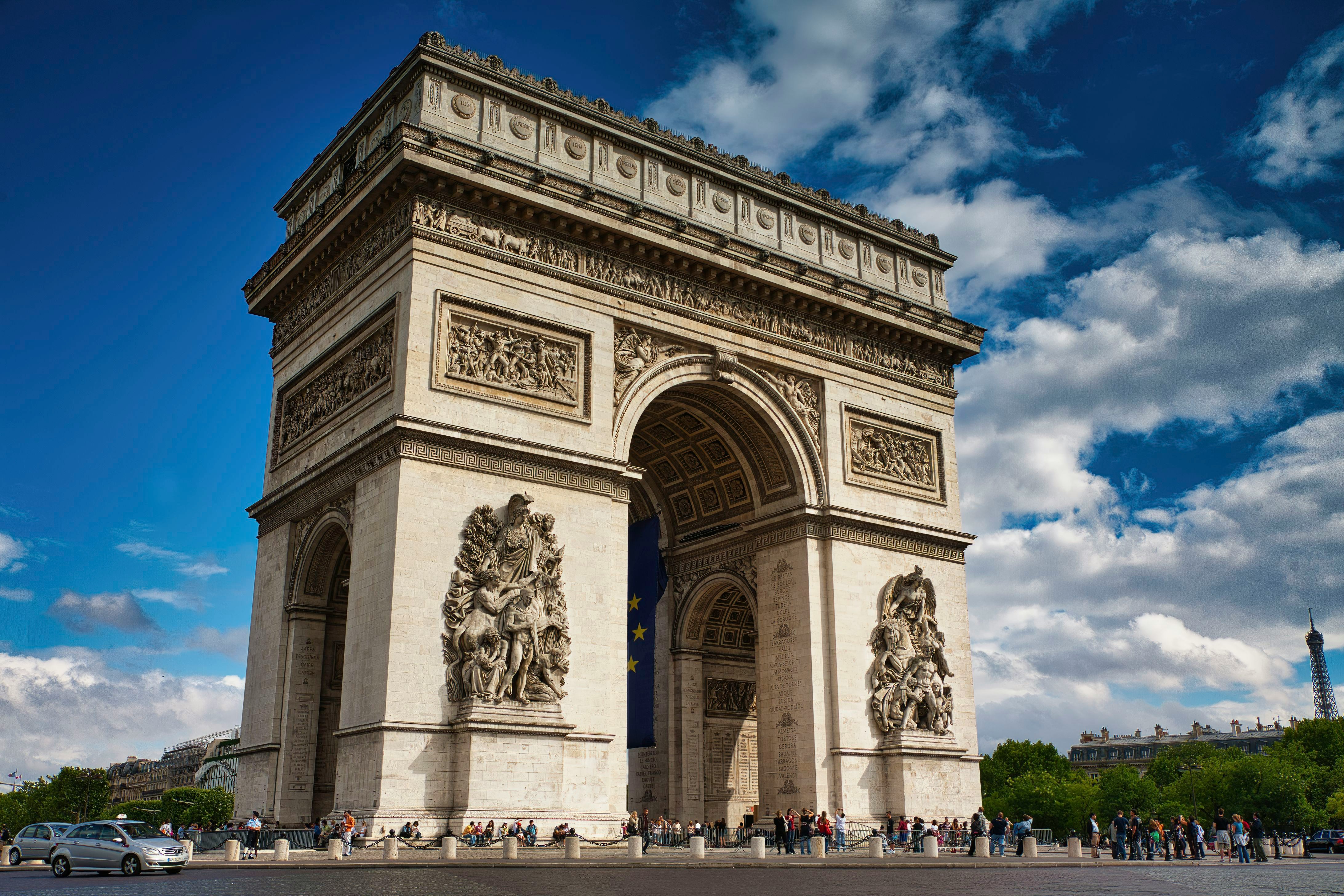
The Lincoln Memorial Reflecting Pool was drained and coated in “American flag blue,” only to bloom with algae and shed pieces of its new liner shortly after reopening. The Arts of War and Arts of Peace equestrian statues near the Lincoln Memorial are being regilded in thick 23.75-karat gold leaf for the first time in decades. A 250-foot triumphal arch modeled directly on Paris’s Arc de Triomphe has been approved and is advancing near Arlington Memorial Bridge. Nine ornamental fountains across the city are under restoration, and Lafayette Square has received a major refurbishment.
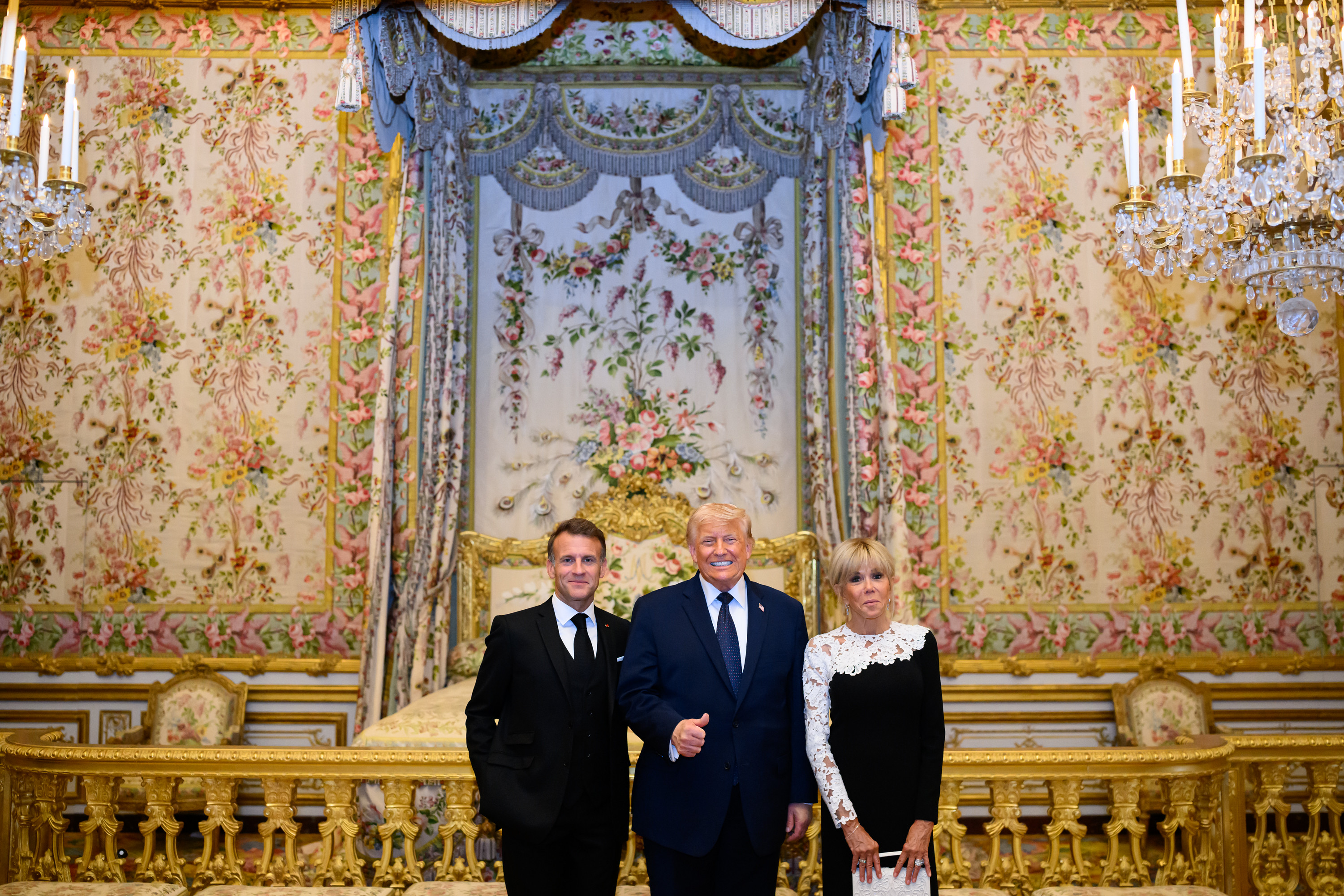
All of it falls under a March 2025 executive order titled “Making the District of Columbia Safe and Beautiful,” which ties the work to the country’s 250th anniversary in July 2026. Some of the funding has come from National Park Service entrance fees collected at parks nationwide. Several contracts have drawn scrutiny for limited competition. Critics call much of it vanity, and with Trump, some of it probably is. But the Paris comparison reveals something more interesting than simple self-aggrandizement.
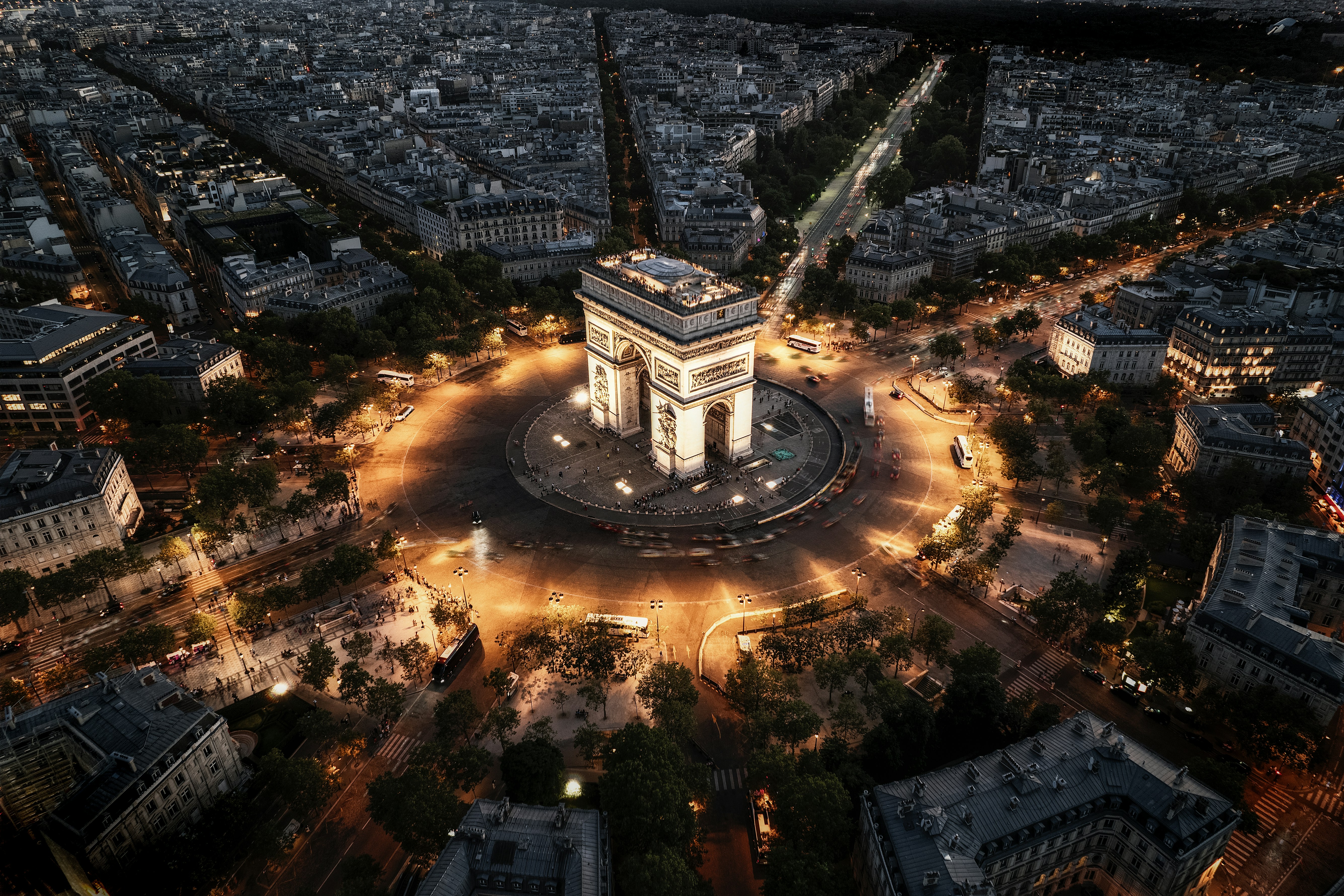
Paris was not always the elegant capital the world knows today. Before the 1850s it was a crowded, unsanitary medieval warren, narrow streets clogged with traffic and waste, open gutters, repeated cholera outbreaks, and frequent revolutionary barricades that could paralyze the city. Emperor Napoleon III gave Baron Georges-Eugène Haussmann sweeping authority to fix it.
Haussmann demolished entire neighborhoods, displaced tens of thousands of working-class residents to the outskirts, and carved wide, straight boulevards through the old fabric. He imposed the uniform cream-stone facades, wrought-iron balconies, and mansard roofs that still define the city’s look. He built the modern infrastructure that made Paris livable and impressive: sewers, clean water, large public parks, gas lighting, and long monumental vistas ending at grand new buildings such as the Opéra Garnier. The cost was enormous and left the city deep in debt. Many Parisians mourned the destruction of historic neighborhoods. Haussmann was eventually fired amid the backlash.
Yet the result was modern Paris: cleaner, healthier, easier to navigate, and visually spectacular, the template for grand European capitals that followed. The wide boulevards served hygiene and traffic, but they also made it far harder to build barricades and easier for troops to move. Grandeur and control were never entirely separate goals.
Washington, D.C. is already a city of monuments and open space. Much of the current work, restoring fountains, regilding statues, repairing public infrastructure around the Mall, is the kind of deferred maintenance any administration owes the capital. Wanting the one city that belongs to all Americans to feel correspondingly grand for its 250th birthday is not an inherently strange impulse.
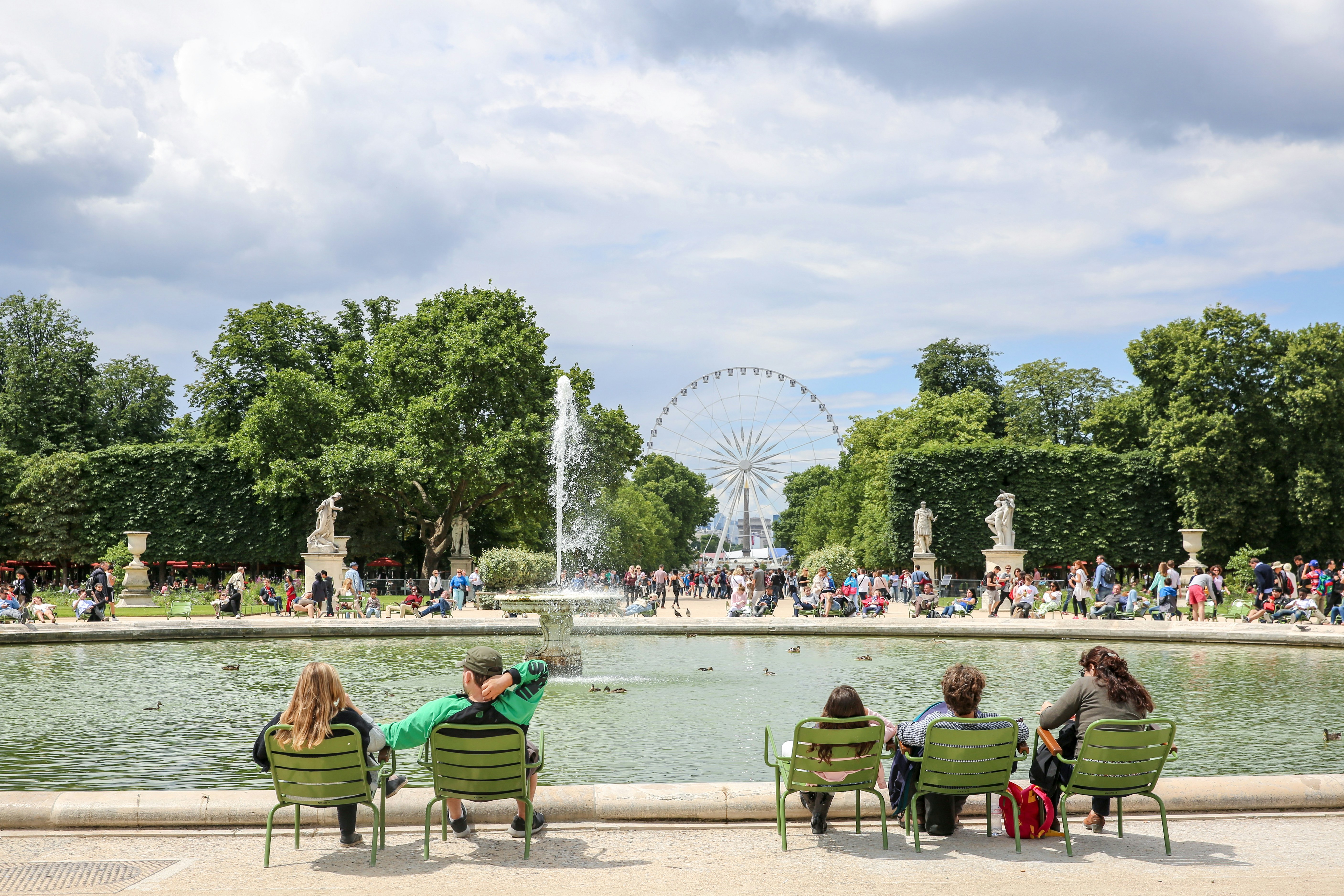
But the Paris comparison also shows what usually comes bundled with capital-city beautification: executive power, public money, lawsuits, disrupted sightlines, fast timelines, aesthetic choices made from above, and arguments over whether the result is restoration, vanity, or something in between.
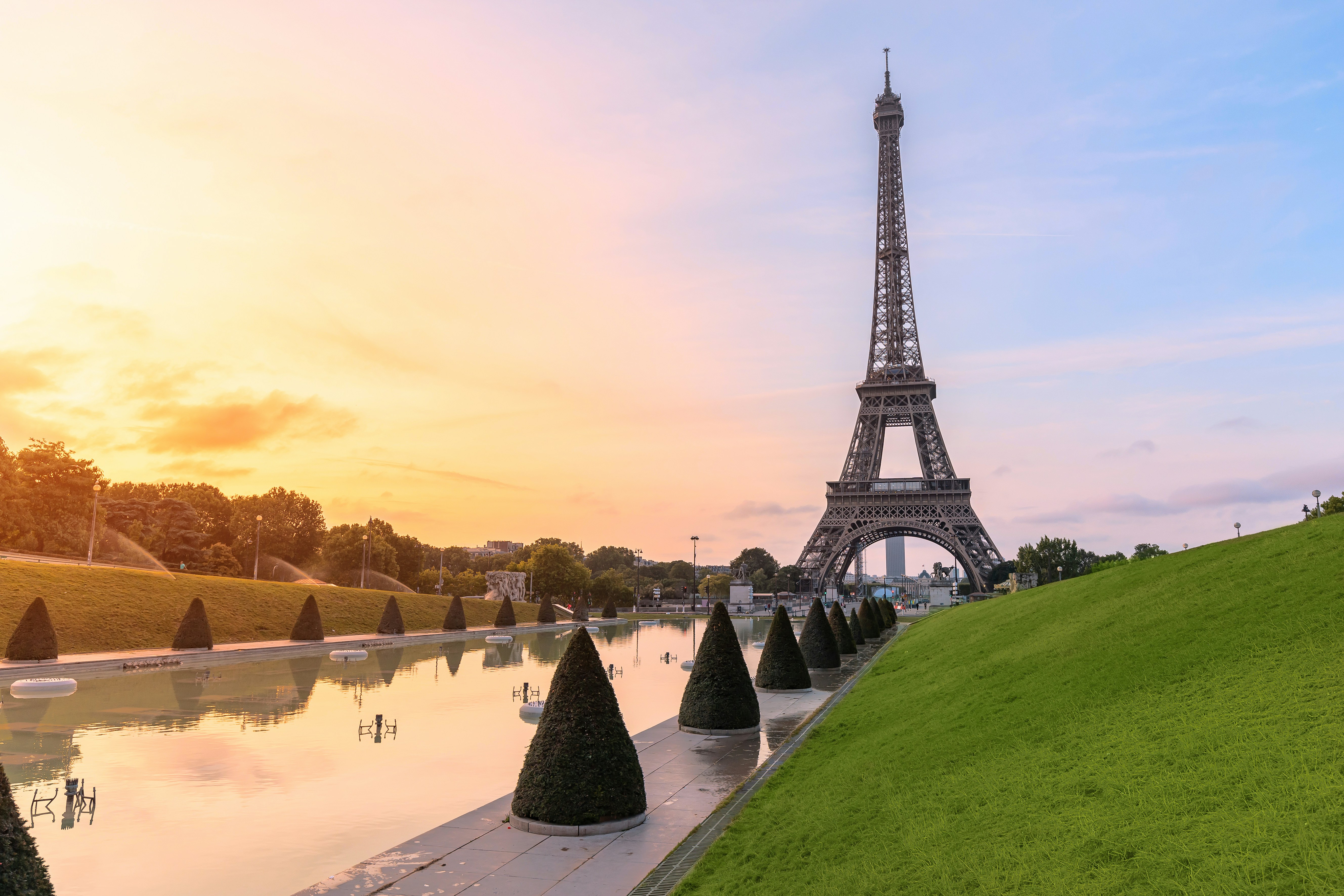
Paris did not become Paris through modest upkeep alone. Washington is not being remade on that scale, but the ingredients are familiar: monuments, infrastructure, symbolism, money, backlash, and a government trying to make the capital look a certain way.
Thanks for reading Thought Catalog. Show us some love on Facebook, and discover more on our website.