After 100 Years and €1.4 Billion Spent Cleaning the Seine, the French Are Finally Swimming in the River Again

Swimming in the Seine was illegal for over 100 years.
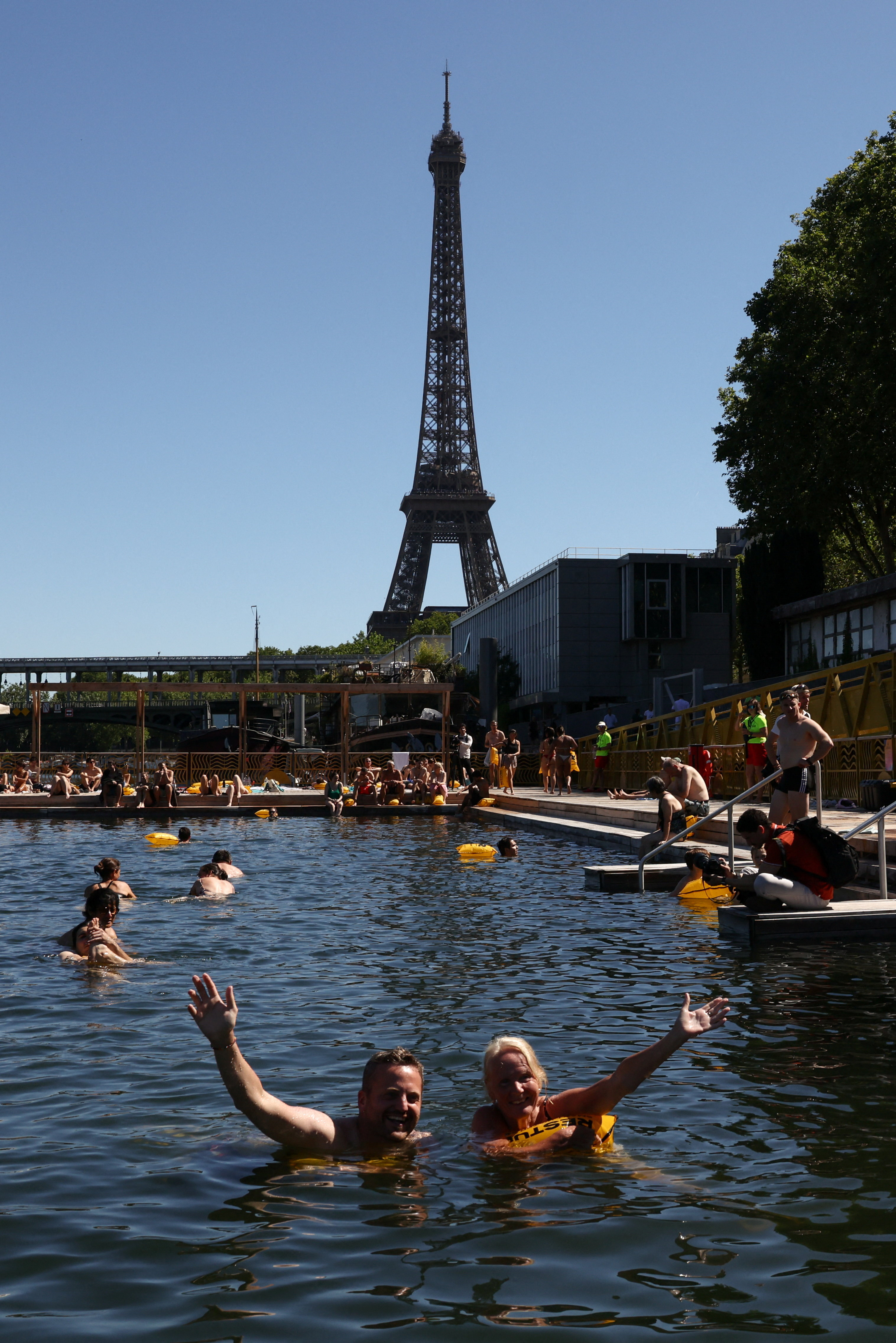
This summer, Parisians are wading into the same water the Olympic triathletes raced through, no ticket and no reservation required.
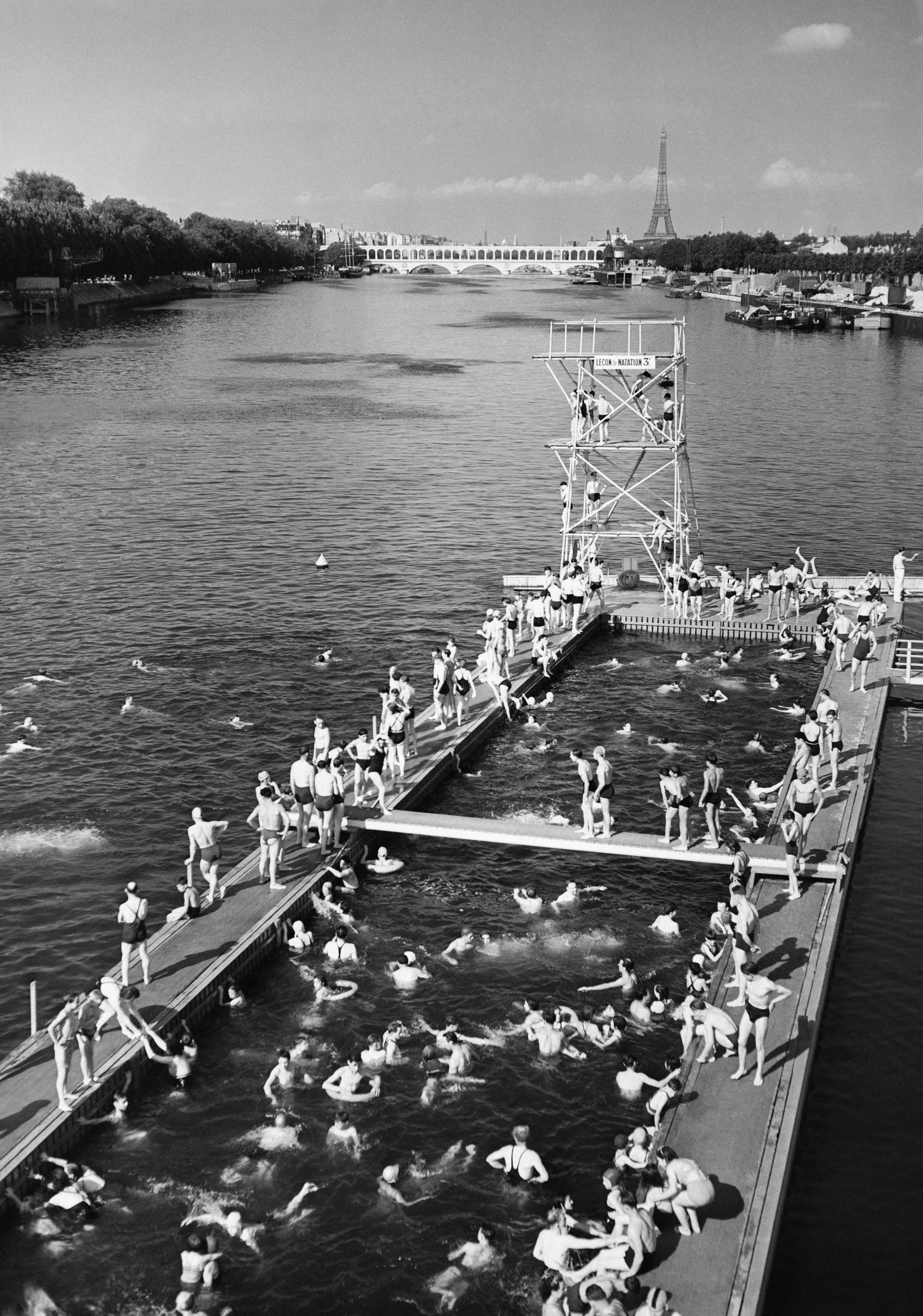
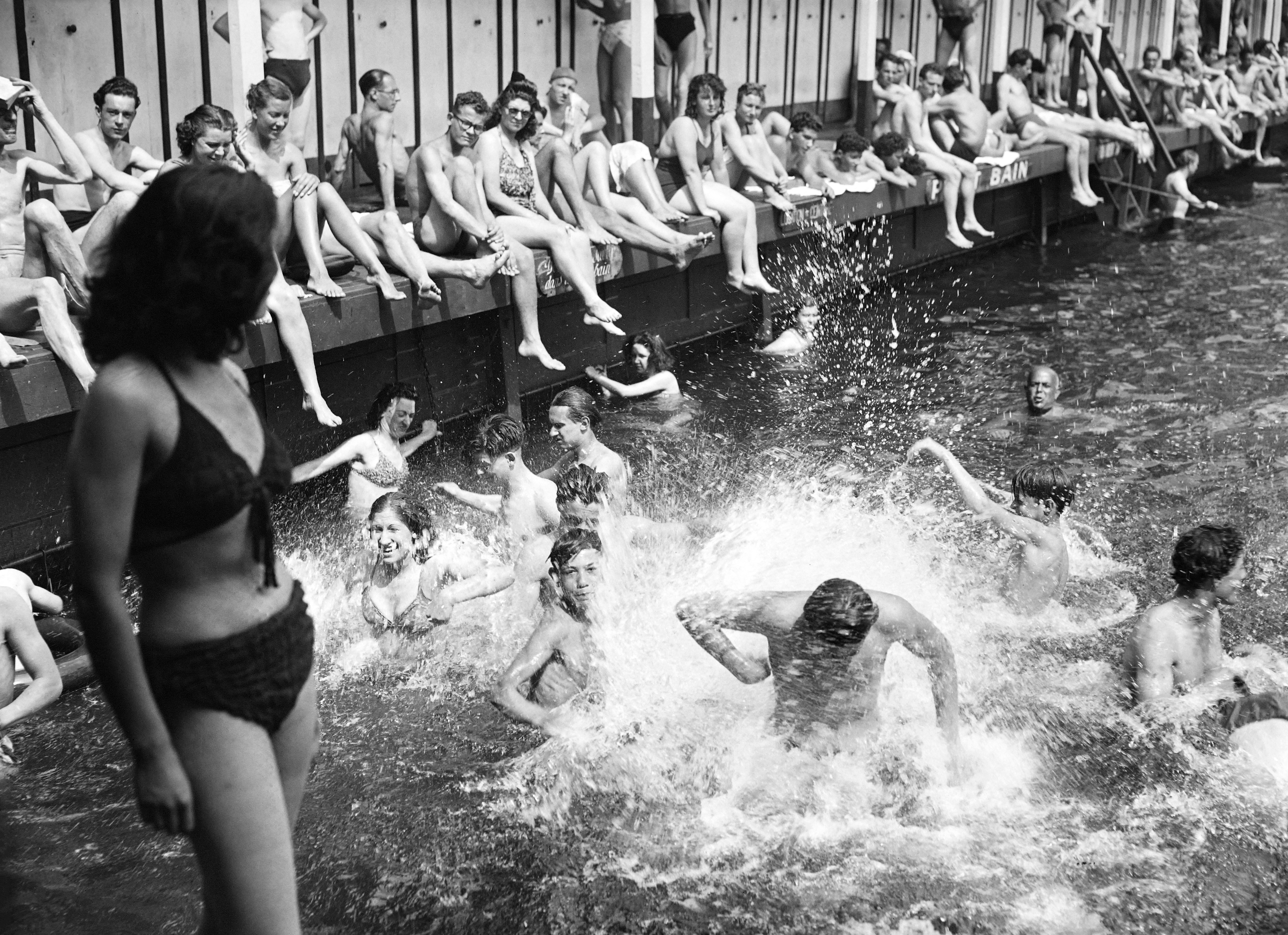
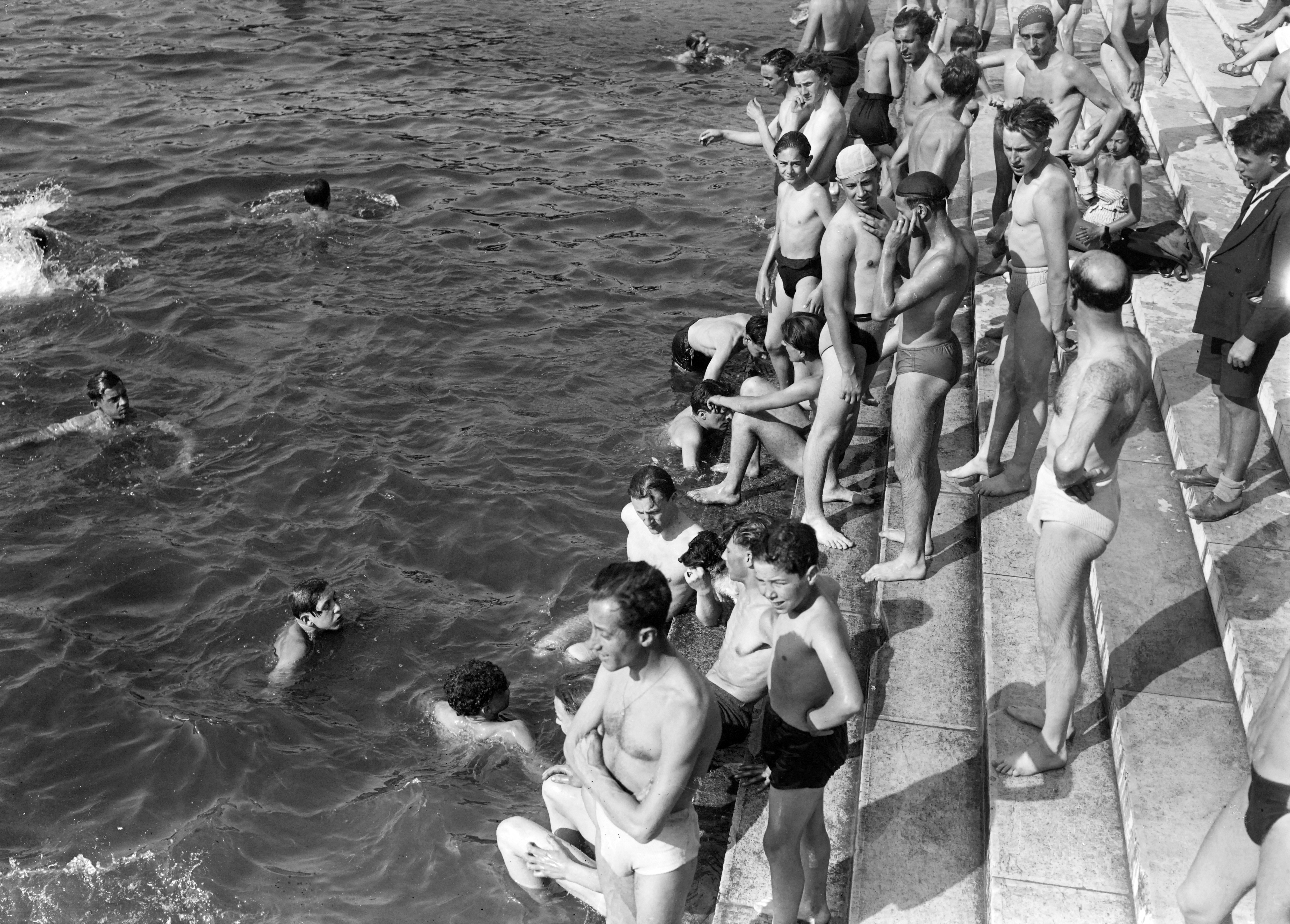
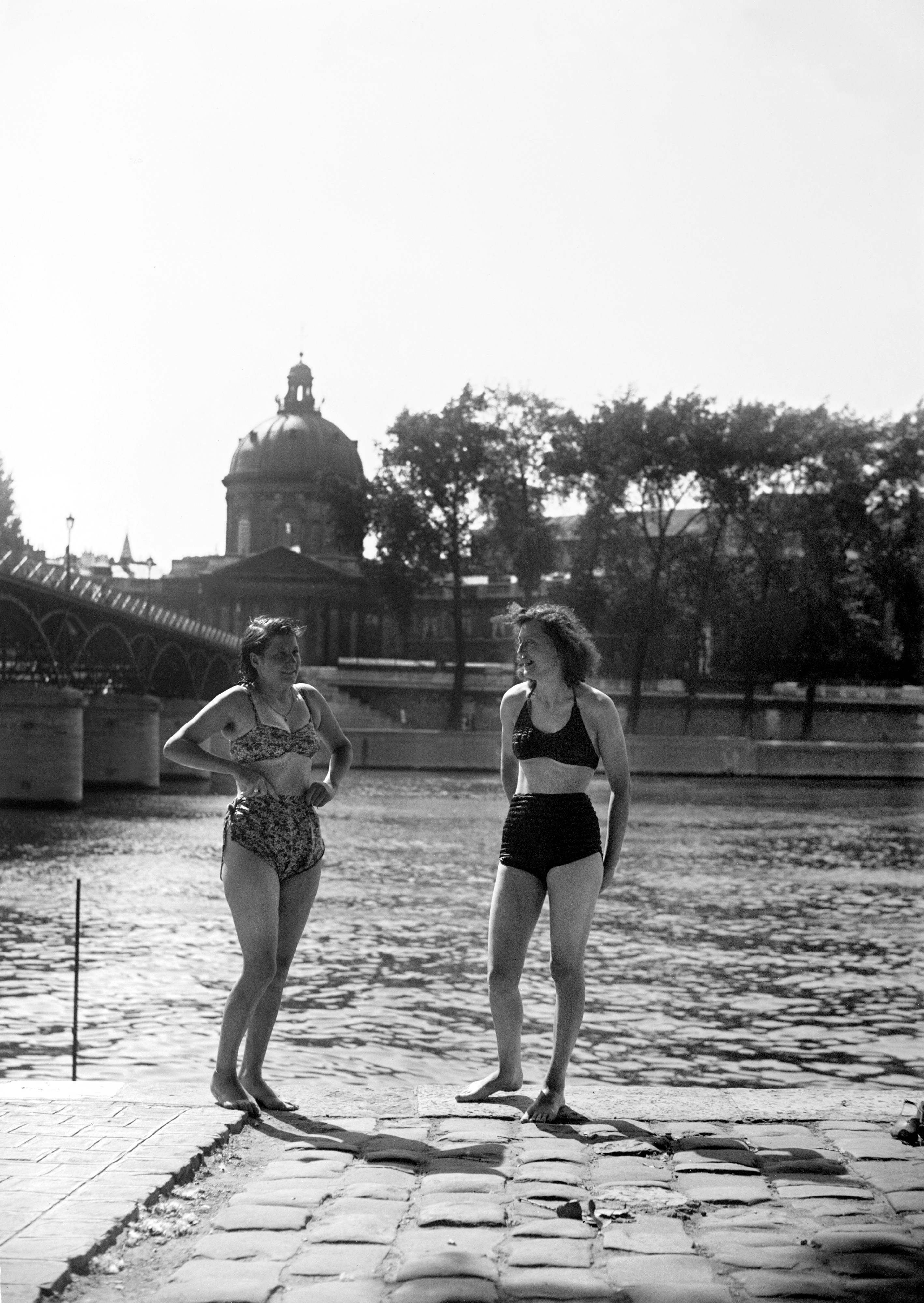
It used to be normal. The French diving championships were held in the Seine as recently as 1913. A wave of drownings and river-traffic accidents led to a total ban in 1923, and pollution finished the job.
By 1970 the river was effectively biologically dead, with more than half the region’s wastewater dumped in untreated and its fish population down to three resilient species. The 2013 Paris triathlon was canceled outright because the water was too dangerous for athletes.
The turnaround has a mascot. On November 28, 1988, then-mayor Jacques Chirac promised he’d swim in the Seine by 1994 to prove it was clean. He never did, and the pledge became a running joke that outlived him. Anne Hidalgo revived it in 2016 for the city’s Olympic bid, and the cleanup that followed cost roughly €1.4 billion and connected thousands of riverside buildings to the sewer network for the first time.
The centerpiece is a concrete cylinder dug near Gare d’Austerlitz, 50 meters wide and 30 meters deep, holding 50,000 cubic meters of stormwater, roughly 20 Olympic pools. Paris’s Haussmann-era sewers combine rainwater and wastewater in the same pipes, so heavy rain used to send the overflow straight into the river.
Officials say major sewage overflows have dropped from around 15 a year to about 2. That work got the river clean enough to host the Olympic triathlon and marathon swimming events.
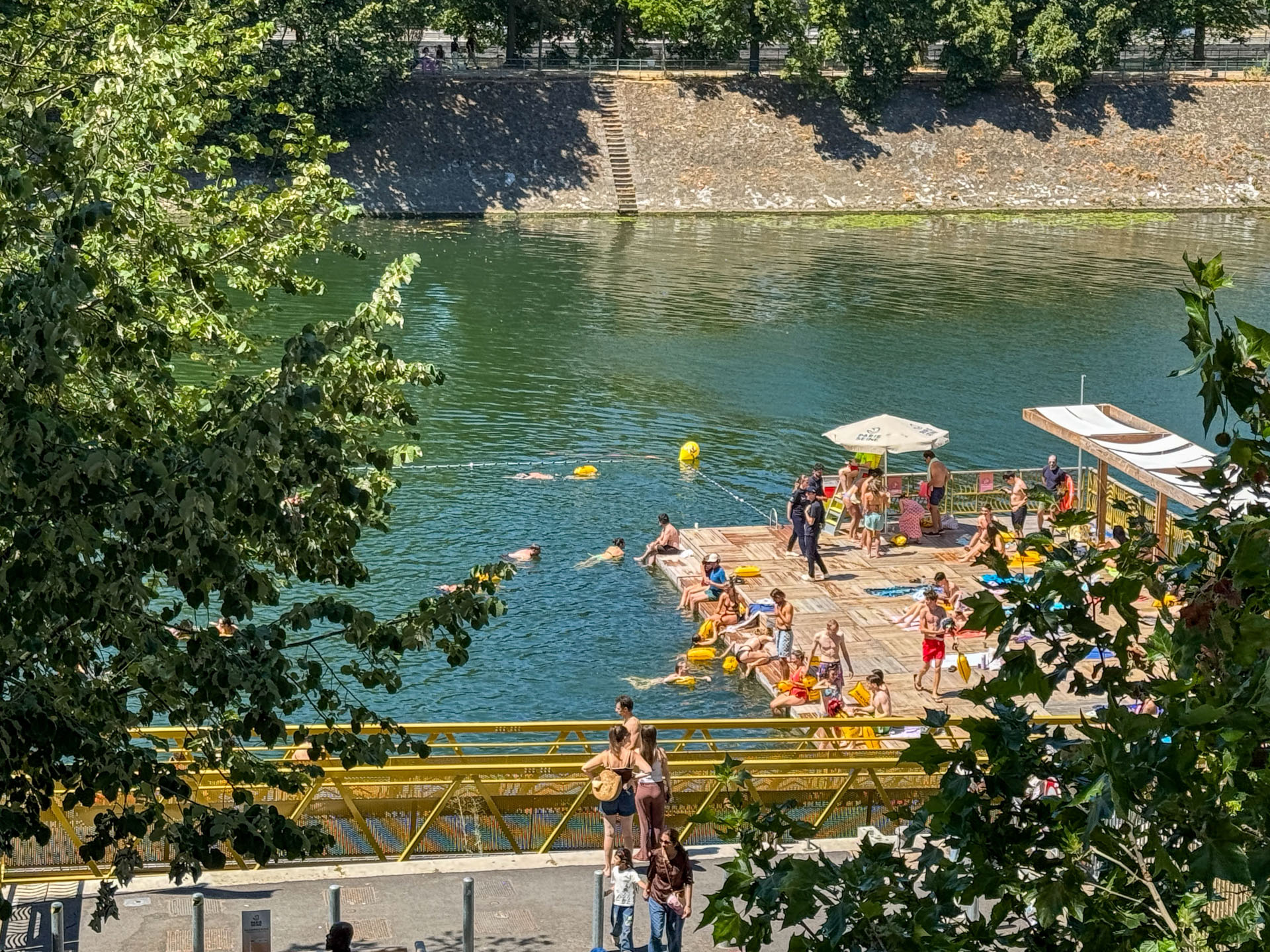
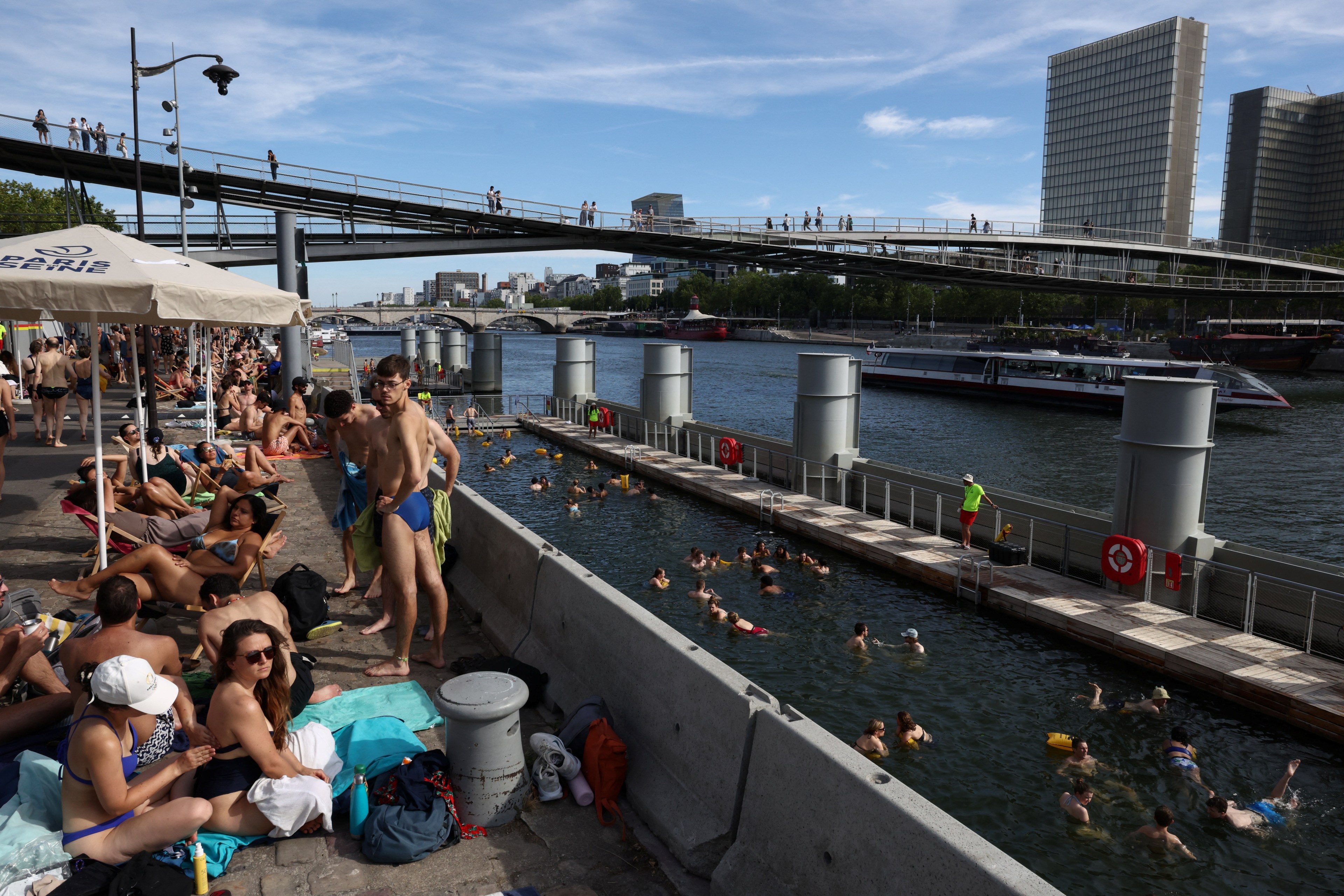
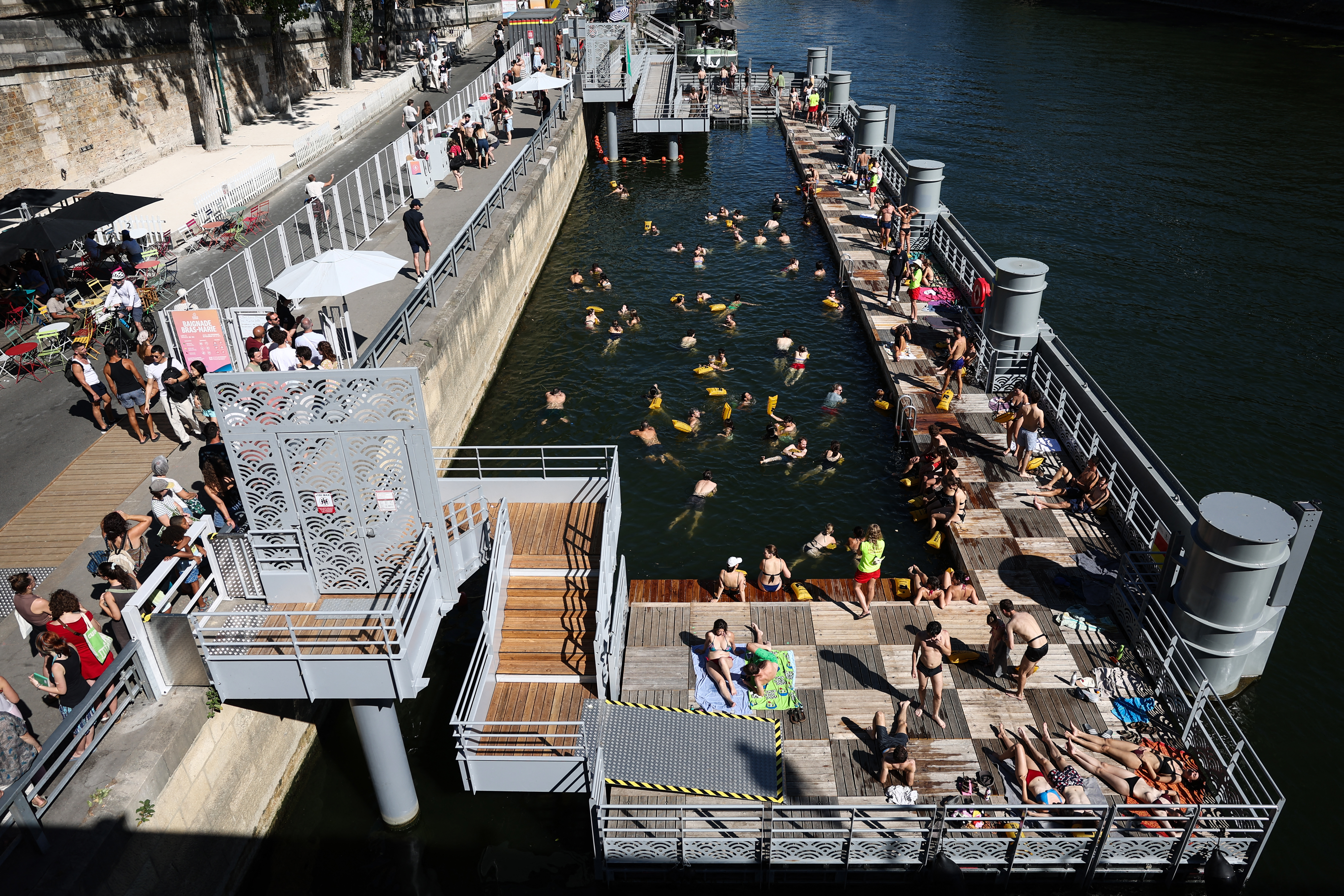
The three free sites opened for their second season around July 4. Bercy in the 12th is the largest, with two pools (one stretches 67 meters), wooden decking, showers, lockers, and room for around 600 people, across the water from the Bibliothèque nationale de France. Bras Marie sits beneath Pont Louis-Philippe near Notre-Dame. Bras de Grenelle on the Left Bank has direct Eiffel Tower views and a quarter-scale Statue of Liberty across the water; it’ll host open-water and high-dive events for the European Swimming Championships later this month, the first time Paris has held that competition since 1931.
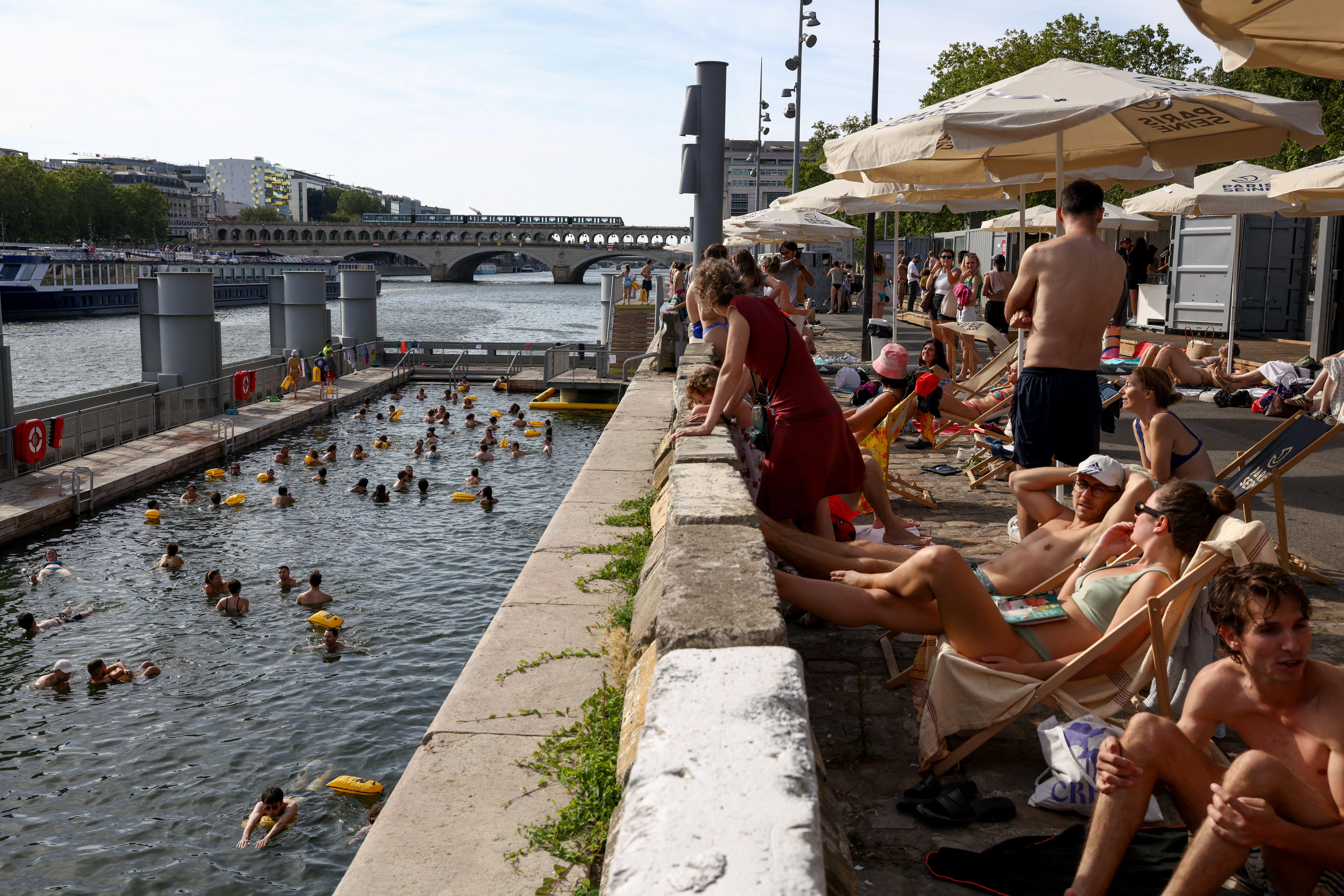
Lifeguards from the French Swimming Federation staff every session, and the city tests the water daily and posts a live status on paris.fr. Green means open, yellow means caution, red means closed, which happens after heavy rain when E. coli spikes. The system isn’t infallible: last July the green flag flew on only 18 of 31 days at some sites.
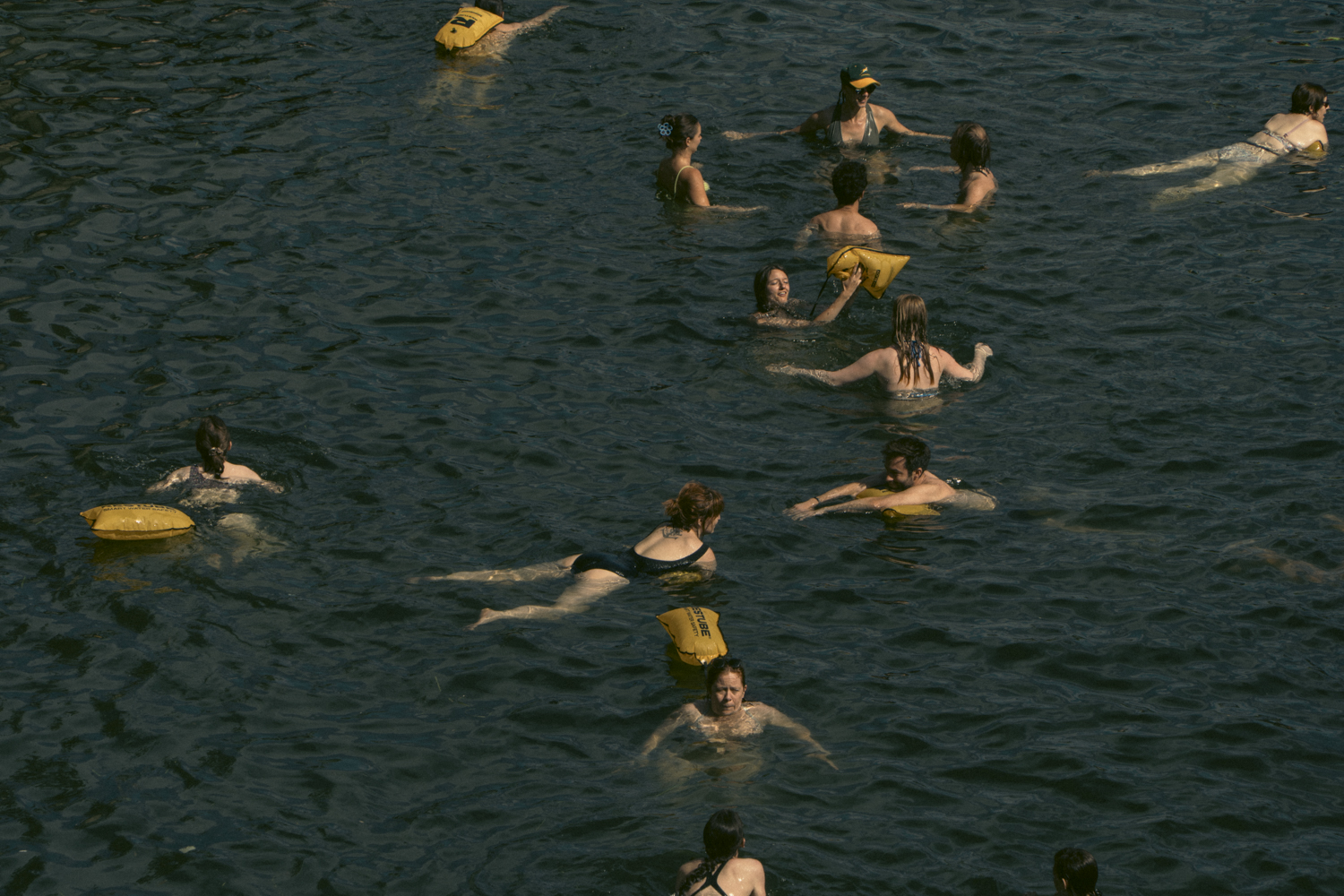
Swimmers have to know how to swim, clear a minimum height of about 1.20 meters, and shower before getting in. Last summer more than 100,000 people swam without any major health incidents. The 2026 season runs through August 30, weather and water quality permitting. Fair warning from CNN’s correspondent: the water is more khaki than turquoise, and the smell leaves something to be desired.
Thank you for reading. You can find Thought Catalog on Facebook, and read more over on our website.