Stacey Hatfield, a 30-Year-Old Wellness Influencer, Died Hours After Giving Birth at Home with No Doctor or Midwife Present
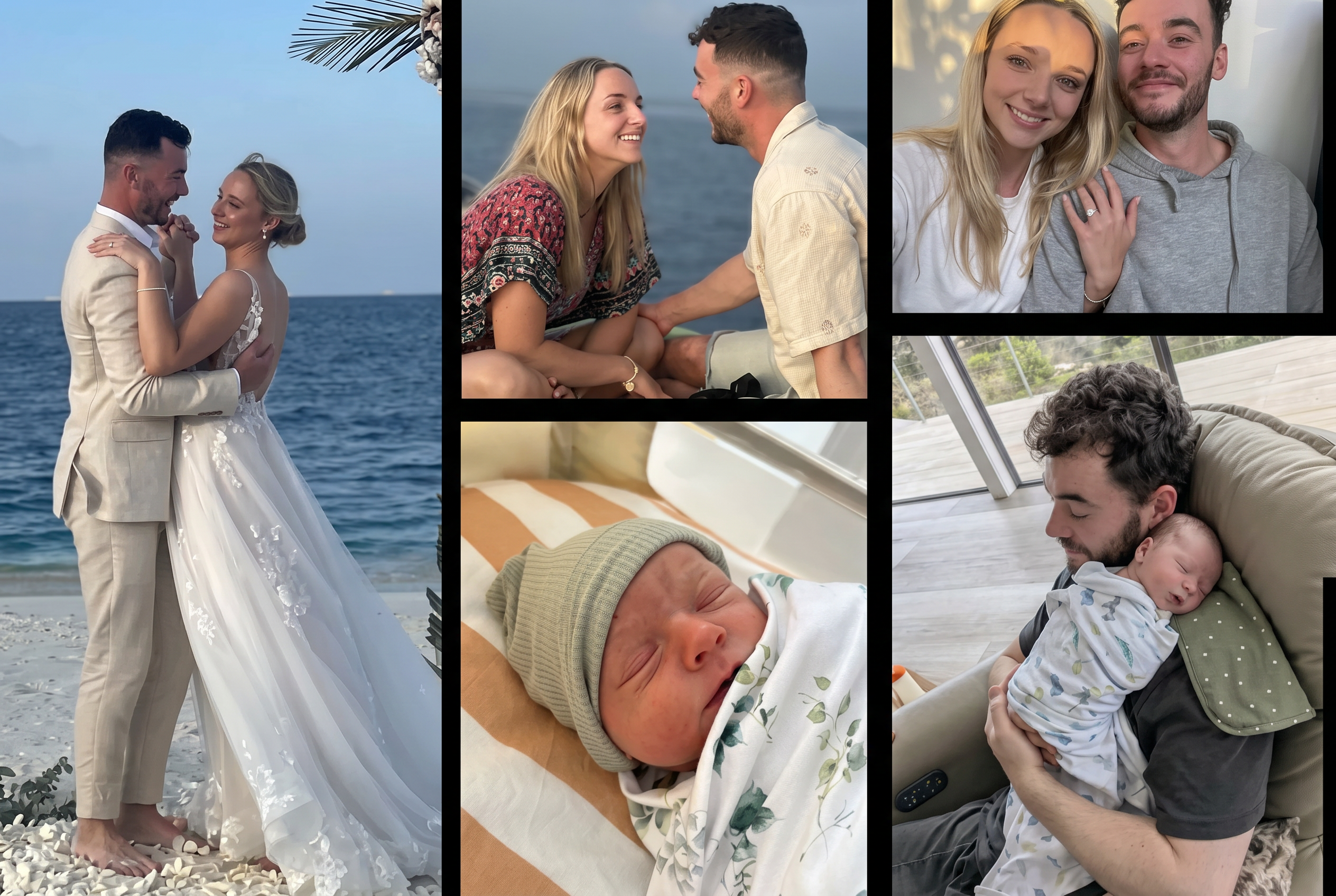
Stacey Hatfield, who used the married name Stacey Warnecke, built a following around natural, low-intervention living through her brand Natural Spoonfuls. She was 30 years old.
On September 29, 2025, she gave birth to her first child, a son named Axel, at her home in Seaford, a suburb in Melbourne’s south-east. The birth was a planned freebirth, meaning no registered midwife or doctor was present. Freebirth is distinct from a midwife-attended homebirth: there is no trained medical professional in the room. Hatfield had no traditional antenatal care and, according to inquest evidence, feared a cascade of medical interventions, induction, or a C-section, and chose freebirth for full autonomy.
Contractions started around September 26. Her birth attendant, a doula named Emily Lal, was called to the Seaford home on September 28, and Axel was born in the early hours of September 29. Hatfield delivered him successfully and was able to hold and nurse him. Soon after, she began bleeding heavily, eventually losing up to roughly 1.5 litres of blood, and had trouble breathing. She was found on the floor in an altered conscious state, clammy and gasping, beside a large blood clot.
When her husband Nathan announced her death in October 2025, he wrote: “It’s with heavy heart that I share with you the unexpected passing of my beautiful wife, soul mate and best friend. Stace passed on the 29th September 2025 after successfully giving birth to our firstborn son, Axel, at home. Tragically, shortly after, an unforeseen and extremely rare complication arose and she passed after being transferred to hospital. Hospital staff were amazing and did the utmost to help, but ultimately nothing could be done despite their best efforts.”
Postpartum hemorrhage is a known risk of childbirth and, expert evidence at the inquest noted, is usually treatable with prompt hospital care. At Frankston Hospital, staff worked through multiple cardiac arrests, performing a hysterectomy and a heart procedure at the same time while trying to control the bleeding. They exhausted the available blood supply. A pathologist gave the cause of death as blood loss leading to heart failure. She died roughly 8 hours after Axel was born. Hospital staff who treated her have since reported flashbacks, insomnia, anxiety, depression, and guilt, with some considering leaving the profession.
In mid-June 2026, the Coroners Court of Victoria, before Coroner Therese McCarthy, held hearings examining the circumstances of her death. McCarthy described Hatfield as “vibrant, intelligent and thoughtful.”
Lal, who held no clinical medical qualifications, testified that she had been paid around $6,000 for a freebirth support package covering preparation and attendance, and described her role as primarily a “supportive friend” rather than someone there to make the birth safer. Her training, the court heard, came from her own four home births and online courses, including material from the Free Birth Society.
Over a roughly five-minute window as Hatfield’s condition worsened, Lal asked three times whether to call an ambulance. Hatfield declined the first two, at one point telling Lal “I don’t want you to leave me,” and accepted on the third, at which point Nathan called 000. A recording of the roughly 12-minute Triple Zero call was played in court. On it, Lal reportedly downplayed the bleeding, at one point saying it had stopped and suggesting Hatfield might be having a panic attack, and did not fully disclose her paid birthkeeper role. Lal testified: “Her autonomy was very important to her. There was no way I was going to call an ambulance against her wishes.”
After Hatfield was taken to hospital, Lal returned to the house and cleaned up blood-soaked towels and carpet, saying she wanted to spare Nathan the scene. She initially declined to give a statement to police and sought legal advice first. She stopped practicing immediately after Hatfield’s death and has been suspended by the health complaints commissioner from providing or advertising certain health services while an investigation continues. She told the court she remains deeply distressed by what happened.
Research on planned, midwife-attended home births for low-risk pregnancies in well-integrated systems generally shows comparable perinatal outcomes and lower intervention rates than hospital births. Freebirths without a qualified professional present sit outside that evidence base, and severe complications like postpartum hemorrhage depend on rapid access to advanced care, which is part of what the Victorian inquest is examining in this case.
The inquest is also examining the broader questions the case raises: the risks of unregulated birthkeepers, the sources women turn to when they distrust the medical system, and whether systemic changes are needed. It had not issued final findings as of mid-June 2026.
If you would like to support Nathan and Axel, a GoFundMe has been set up in their name.
Thanks for reading Thought Catalog. Show us some love on Facebook, and discover more on our website.