The Real Meaning of Cassie’s Cleopatra Monologue in Euphoria Season 3 Episode 5

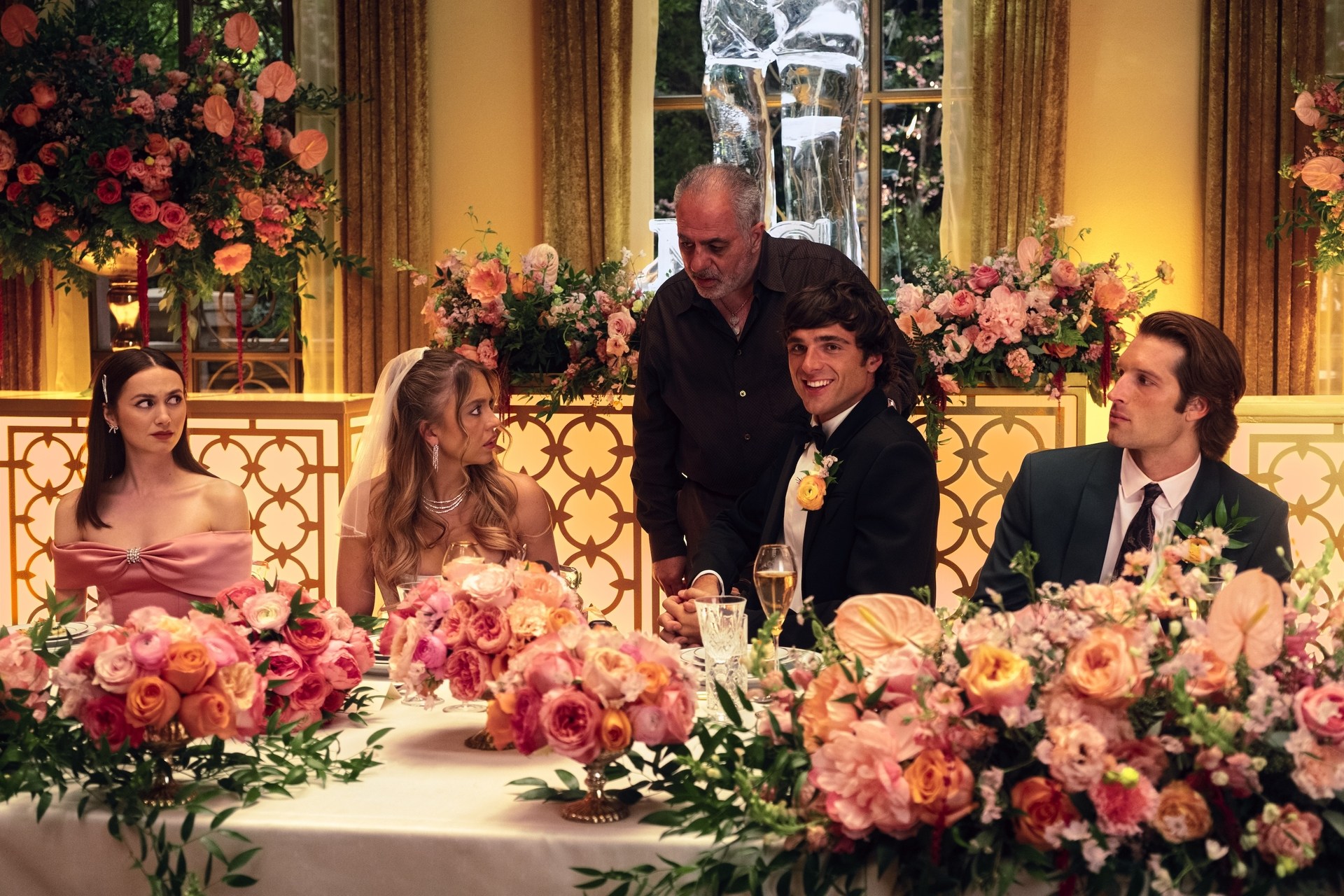
Cassie Howard walked into a soap opera audition in Season 3 Episode 5, recited her measurements for the camera, blew a kiss, and then opened Act 5 Scene 2 of Antony and Cleopatra. The producers on the monitor shifted in their chairs. Lexi was dumbfounded.
The speech Cassie chose is Cleopatra’s refusal. After Antony is defeated and kills himself, Cleopatra is captured by Rome. Caesar’s man comes to her and delivers the news: a public parade, the crowd, the triumph. Cleopatra’s response is the monologue. She won’t eat. She won’t drink. She won’t sleep. She will ruin herself before she lets them put her on display.
That’s the speech Cassie Howard chose for a soap opera audition. It maps onto her entire story.
Cassie is Cleopatra. Nate is Antony.
Cleopatra’s story hinges on her alliance with Antony: passionate, politically ruinous, ending in his defeat and suicide. What’s left for Cleopatra after Antony falls isn’t freedom. It’s capture. His consequences become her prison.
Nate Jacobs had his toe amputated the night of his wedding by a creditor’s men. He’s north of $1 million in debt. He stood in front of a city council and ended up on his hands and knees begging a man named Bill. The same man who held a gun to Maddy Perez’s face in Season 2 is currently mid-narcissistic collapse.
When Cleopatra’s Antony falls, she doesn’t get to leave. She gets captured by Rome. Cassie chose this speech while her own marriage was in shambles. Whether she knows it or not, she’s already living the next act.
She’s lived the spectacle Cleopatra refuses
The line is: “Shall they hoist me up / And show me to the shouting varletry / Of censuring Rome?”
Cassie Howard knows what that feels like. Lexi put her on a stage in Season 2 and let an audience watch a version of her affair with Nate play out in real time. She’s been slut-shamed, exposed, and reduced to her body every season of this show. The monologue is a refusal of exactly what’s already been done to her.
The irony is that she’s performing this refusal in an audition. For a soap opera. On camera. For producers deciding whether she’s worth displaying.
She wants the part. She gets it.
She thinks she’s defying. She’s destroying.
Cleopatra’s line is “This mortal house I’ll ruin.” Framed as defiance. Choosing ruin over surrender. But it’s still ruin.
Cassie has wired money to Nate. She’s signed contracts against everyone’s advice. She left her marriage, pawned her wedding ring, and is chasing Hollywood through Maddy, who is managing her as an asset. Every decision reads like a move forward. All of them are the same thing Cleopatra is describing: tearing the house down yourself before someone else can.
She believes it’s agency. That’s the most Euphoria thing about it.
The monologue is a foreshadowing map
Critics flagged the same thing after S3E5 aired. The speech isn’t just a character moment. It’s architecture.
Antony falls. Cleopatra gets captured by Rome. She knows what’s coming, so she makes a choice. She sends for the asp. She lets it into the room herself. It’s the method she picks because the alternative is letting someone else decide how her story ends.
Cleopatra doesn’t get rescued. She chooses the thing that kills her.
Maddy Perez introduced Cassie to Brandon Fontaine. Maddy is running the operation. Maddy cried watching Cassie marry Nate and left the wedding without saying a word. She’s the closest person in Cassie’s life right now and the one with the most to gain from her.
Cassie let her in. She chose this.
In Cleopatra’s story, the asp was already in the room. Cleopatra put it there herself.
The soap opera is the point
Cassie Howard has been performing for years. The dog collar. The OnlyFans content. The bubbly blonde routine she ran for the first 30 seconds of that audition. Playing characters is the one thing she’s never stopped doing, and everyone in her life treated it like evidence she had nothing underneath.
The room recalibrated when she opened Shakespeare, but it shouldn’t have been a surprise. She’s been acting the whole time.
Sydney Sweeney has the same problem. Fans who watched her play Cassie Howard, a girl defined by how she looks and who wants her, did not expect her to have Shakespeare in her repertoire. But she does. Because Cassie Howard is a character. Sydney Sweeney is an actress. Euphoria counted on the audience forgetting the difference, and most of them did.
That’s the satire. Euphoria has always been Dickensian: a drug mule swallowing fentanyl balloons to pay off a $43.8 million debt, a plastic surgeon who funds an artist’s entire life and calls it love, a strip club and a soap opera, OnlyFans and Shakespeare all operating in the same episode, all as different versions of the same transaction. Someone performing for someone with more power than them. Dickens put orphans and criminals and debtors in the same room and called it society. Euphoria puts sex workers, drug dealers, and content creators in the same frame and calls it Sunday night.
Euphoria gets called trash television by the same people who’d recognize every reference in this essay if they found it in an English class. The Shakespeare is there. The Dickens is there. The allegory, the class structure, the foreshadowing. None of it is hidden. It’s just couched in modern controversy, and that’s enough to make most people stop looking.