Nara Smith Says She’s Not A Trad Wife — But Why Did Her Baby Voice Suddenly Disappear?
Nara Smith is angry people who have seen her videos assumed she was a trad wife.
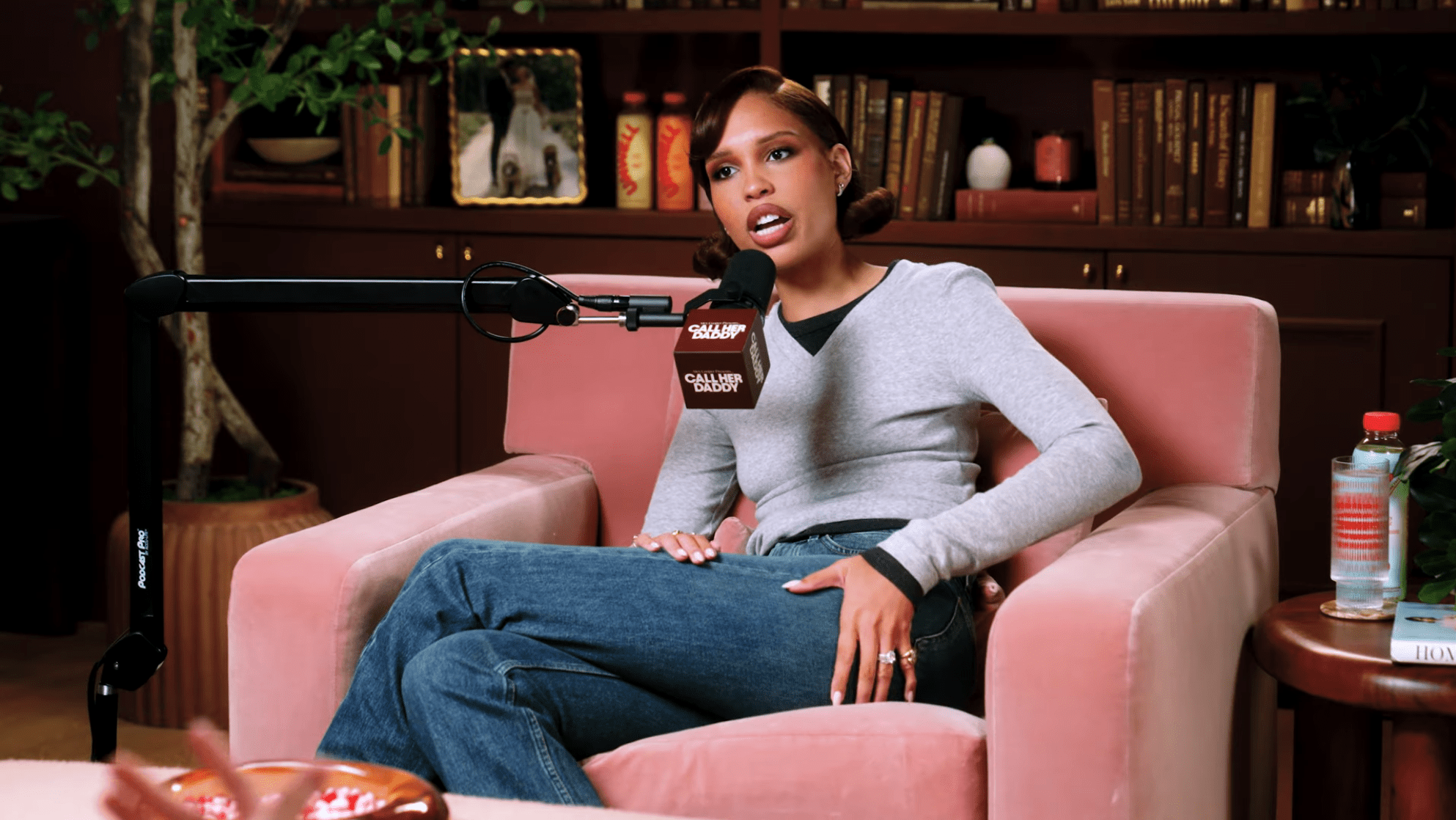
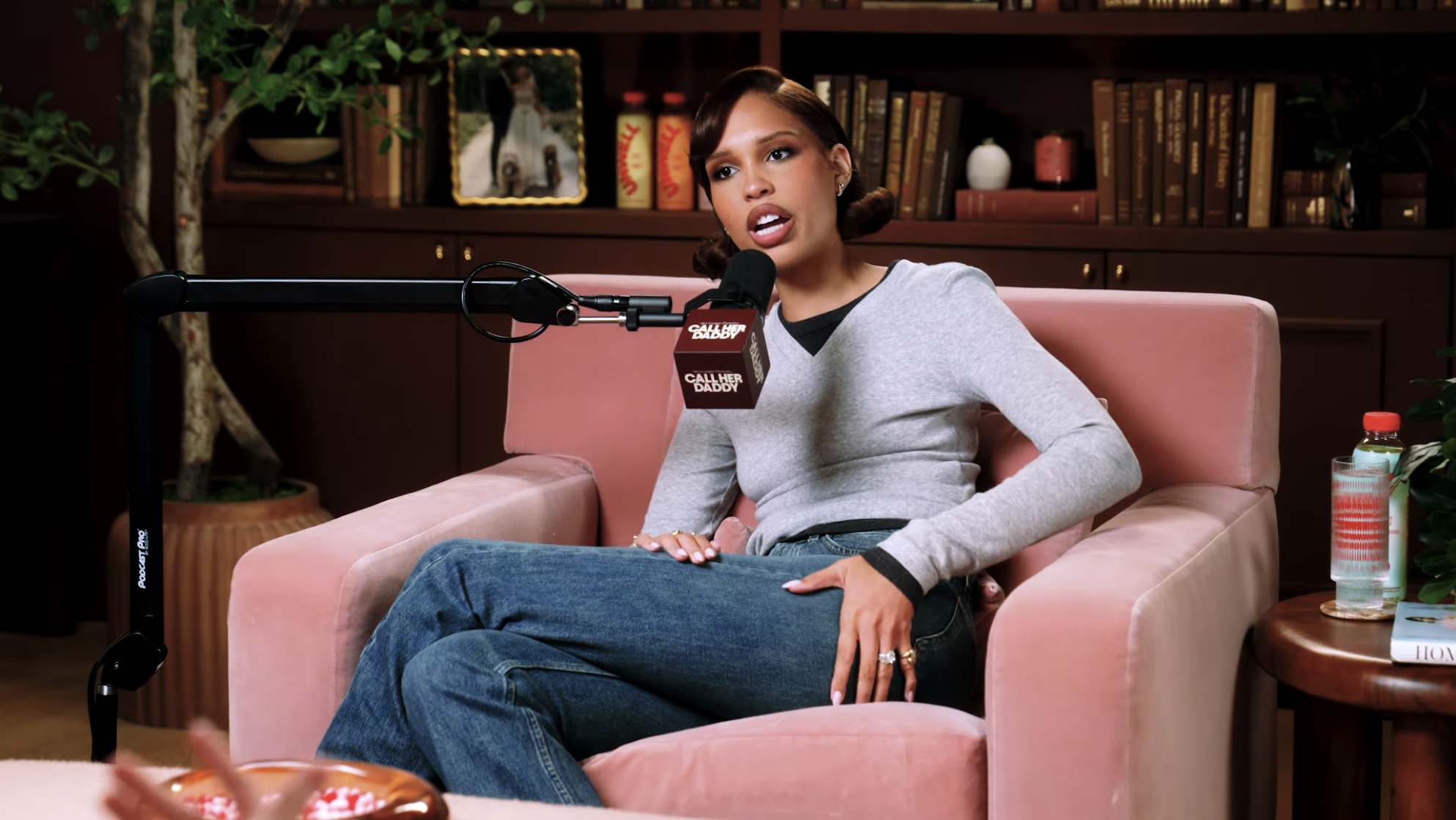
During her appearance on Call Her Daddy, the influencer pushed back against being labeled as part of the trad wife movement, expressing frustration that people associate her content with a lifestyle or ideology she says she does not identify with.
For years, Smith has built a massive following through videos featuring elaborate homemade recipes, vintage-inspired outfits, motherhood content, and a soft-spoken delivery that has become one of her most recognizable traits. While many viewers have described the aesthetic as embodying the modern trad wife movement, Smith says that interpretation does not reflect who she is.
“I’m not a trad wife,” Smith said, arguing that her content is about creativity, cooking, and sharing her life rather than promoting a specific set of beliefs about gender roles.
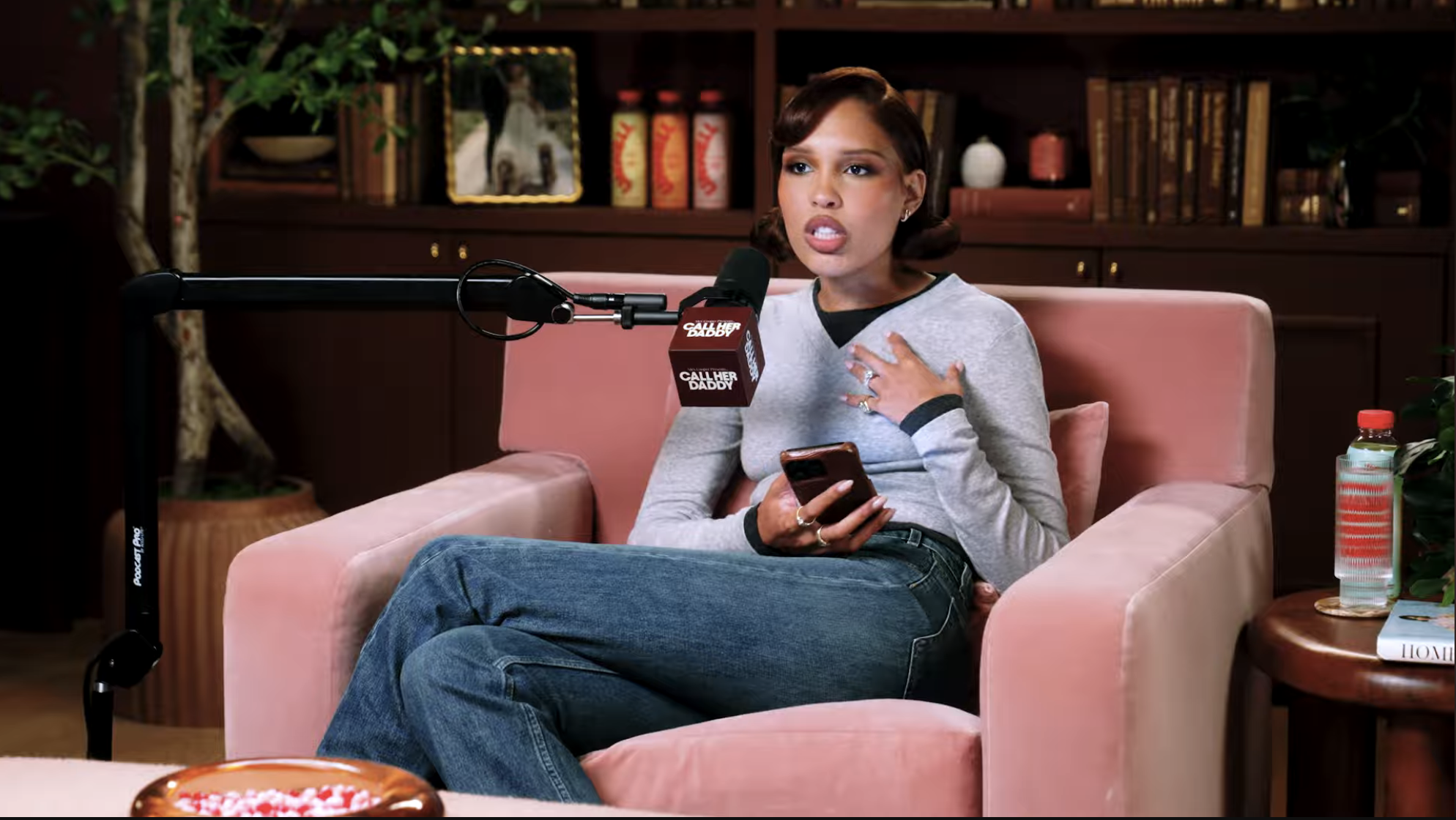
However, the interview quickly sparked debate online, with many viewers questioning the disconnect between Smith’s explanation and the image that helped make her famous.
One of the biggest points of discussion was her voice. Fans noticed that Smith’s signature baby-like, whispery tone — a defining feature of her cooking videos — was largely absent during the podcast interview. The contrast reignited conversations about whether the voice is simply a creative choice for her videos or part of a carefully crafted persona.
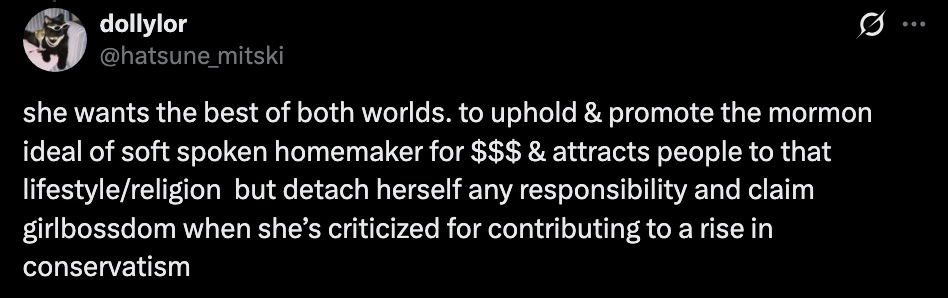
Critics argue that Smith’s online brand has benefited from presenting a highly curated version of traditional femininity: a soft-spoken mother making meals from scratch while embracing a very specific homemaker aesthetic. Some viewers feel that distancing herself from the “trad wife” label while continuing to benefit from that imagery creates a contradiction.
Supporters, however, argue that enjoying domestic hobbies, dressing femininely, cooking for a family, or embracing certain traditional values does not automatically mean someone subscribes to the broader trad wife movement.
Smith has previously said that her content is not intended to represent a political message and that she enjoys cooking and creating videos as a form of self-expression. She has also emphasized that she is a working creator with her own career, brand partnerships, and business ventures.
The debate around Smith reflects a larger conversation happening online about influencer culture: where the line falls between a personal identity, a carefully built brand, and the audience’s interpretation of that brand.
After the interview, one question continued to dominate social media: Is Nara Smith being misunderstood, or is the internet simply responding to the image she intentionally built?
Stay in the loop with Thought Catalog — follow us on Facebook or visit our website.