Scientists Say They’ve Found a “Third State” Between Life and Death
Take skin cells from a dead frog, drop them in a dish, and they rebuild themselves into tiny living machines that swim, heal, and make copies of themselves. The organism is gone. The cells clearly didn’t get the message.
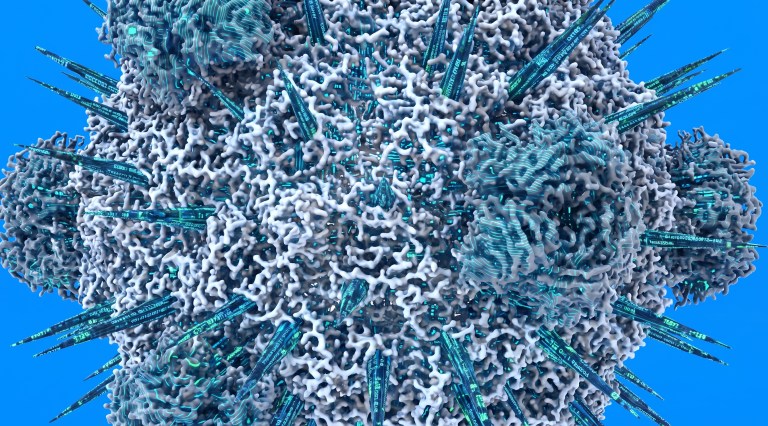
Skin cells pulled from a deceased frog embryo and placed in a petri dish spontaneously assembled into tiny organisms that move on their own, repair damage, and replicate by shaping other cells into copies. Researchers call them xenobots, and they don’t reproduce the way normal cells divide. They build their copies from scratch.
The same thing turned up in human lung cells, which formed small blobs called anthrobots that navigated their surroundings and even helped repair nearby nerve cells.
Scientists describe this as a “third state,” neither fully life nor death, in which cells removed from a dead body keep their function and gain what one researcher calls creative potential. It points toward biobots grown from a patient’s own cells to deliver drugs, clear arteries, or repair tissue — structures that degrade naturally within weeks and don’t trigger immune rejection.
The findings come from “Biobots arise from the cells of dead organisms,” published in The Conversation.
If this resonated, follow Thought Catalog on Facebook and explore more stories on our website.