Sam Levinson Wrote A Federal Drug Investigation In Real Time In This Week’s Euphoria. Here’s How The Real One Works.

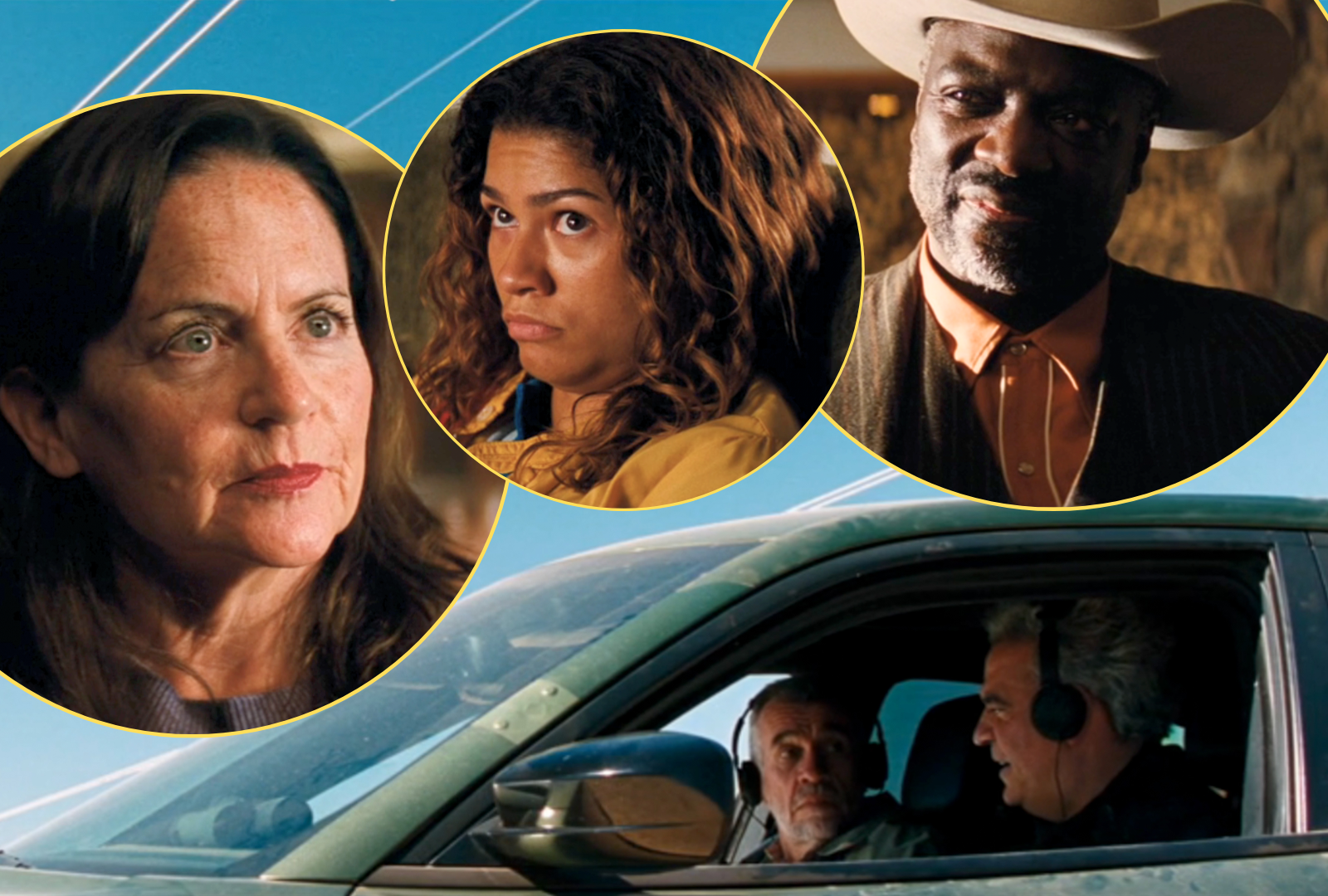
Rue Bennett’s phone was recording when Laurie blackmailed Alamo Brown into running 80 kilograms of fentanyl across the U.S.-Mexico border in last Sunday’s Euphoria. Two DEA agents were listening live from a car. The recording is admissible federal evidence. The conversation Laurie just had is the first count the U.S. attorney will charge.
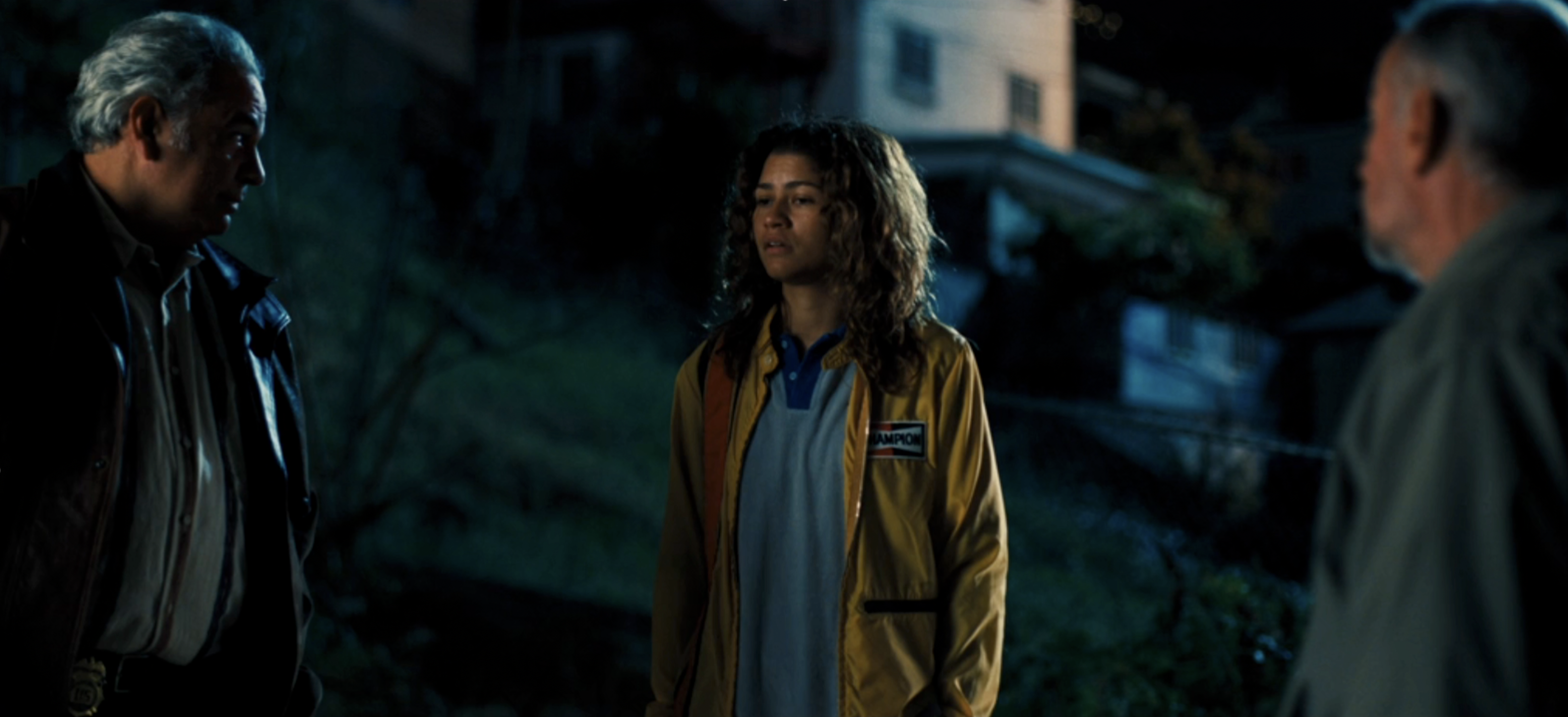
The episode immediately cuts to Rue’s meeting with the agents. They tell her she did her job. If everything goes according to plan, the people she just helped record will spend the rest of their lives behind bars. The U.S. attorney will look at her case favorably. “We’re almost there. Stay sharp.”
That sequence, a blackmail in a living room, two agents listening live from a car, the cooperator meeting her handlers right after, is the choreography of a working federal drug investigation. Sam Levinson compressed it into a seamless sequence. The blackmail is the count. The recording is the evidence. The handler meeting is the receipt. The fentanyl operation Laurie is strong-arming into existence is the criminal case the DEA will build against her in real time.
Here’s where the show matches the real world, where it embellishes, and where it gets out ahead of the federal record.
The blackmail is federal coercion tactics run by a drug ring.
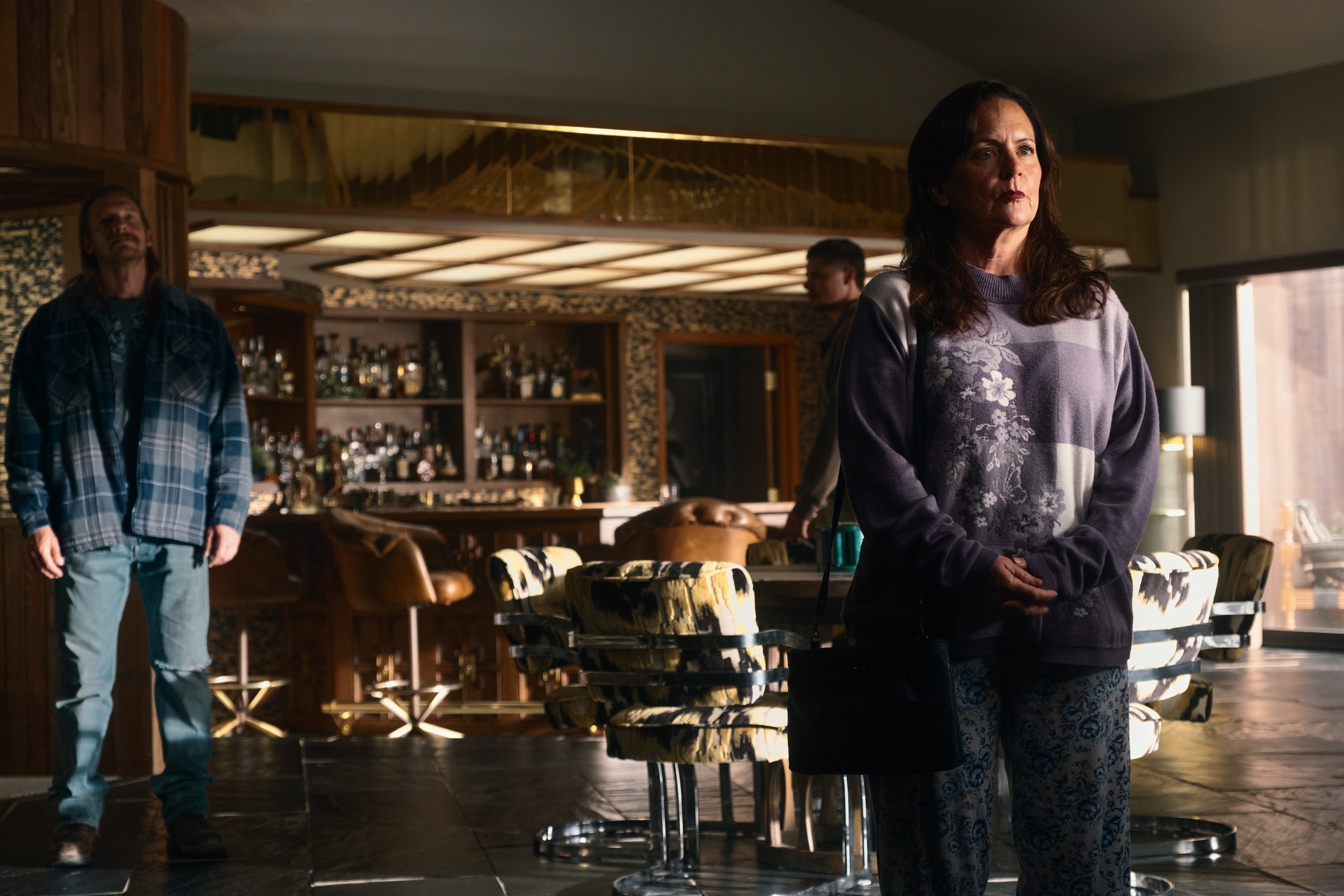
Laurie’s play is straightforward. Her crew stole drugs from Alamo. She has them. She’s keeping them. She’ll mail them to the FBI if Alamo doesn’t run her fentanyl across the border.
Laurie doesn’t know the drugs she’s threatening to send the FBI are already worthless. The DEA swapped Alamo’s product with laxatives before Laurie’s crew stole it. Faye sampled one. An afternoon on the toilet confirmed it. Laurie is still running the blackmail.
The mechanic is a coercion-by-evidence move. Possessing seized or stolen contraband and using it to compel cooperation runs in federal investigations regularly, usually from the law-enforcement side. The DEA and FBI use seized drugs, recorded conversations, and intercepted communications to convince targets to flip or cooperate. The threat Laurie makes is the criminal version of that same play.
What Laurie is actually committing in that room is felony extortion under the Hobbs Act, 18 U.S.C. § 1951. Threatening to send evidence to the FBI in exchange for property or services is itself a federal offense. Alamo is being blackmailed into committing a separate federal drug crime by someone who’s herself committing federal extortion in real time.
80 kilograms is 40 million lethal doses.
The DEA’s threshold for a lethal dose of fentanyl is 2 milligrams. 80 kilograms is 80,000,000 milligrams. At the DEA’s threshold, the load Laurie is asking Alamo to run is sufficient to kill 40 million people.
For scale, the DEA seized 9,950 kilograms of fentanyl in all of 2024. That’s a 29% decline from the previous year. The National Seizure System total across federal agencies was 23,256 kilograms. The southwest border accounted for 14,069 kilograms.
80 kilograms in a single ambulance load is less than 1% of what the DEA seized last year. The amount is small by interdiction volume. The lethality math is the part that lands.
The ambulance tactic isn’t on the federal record yet.
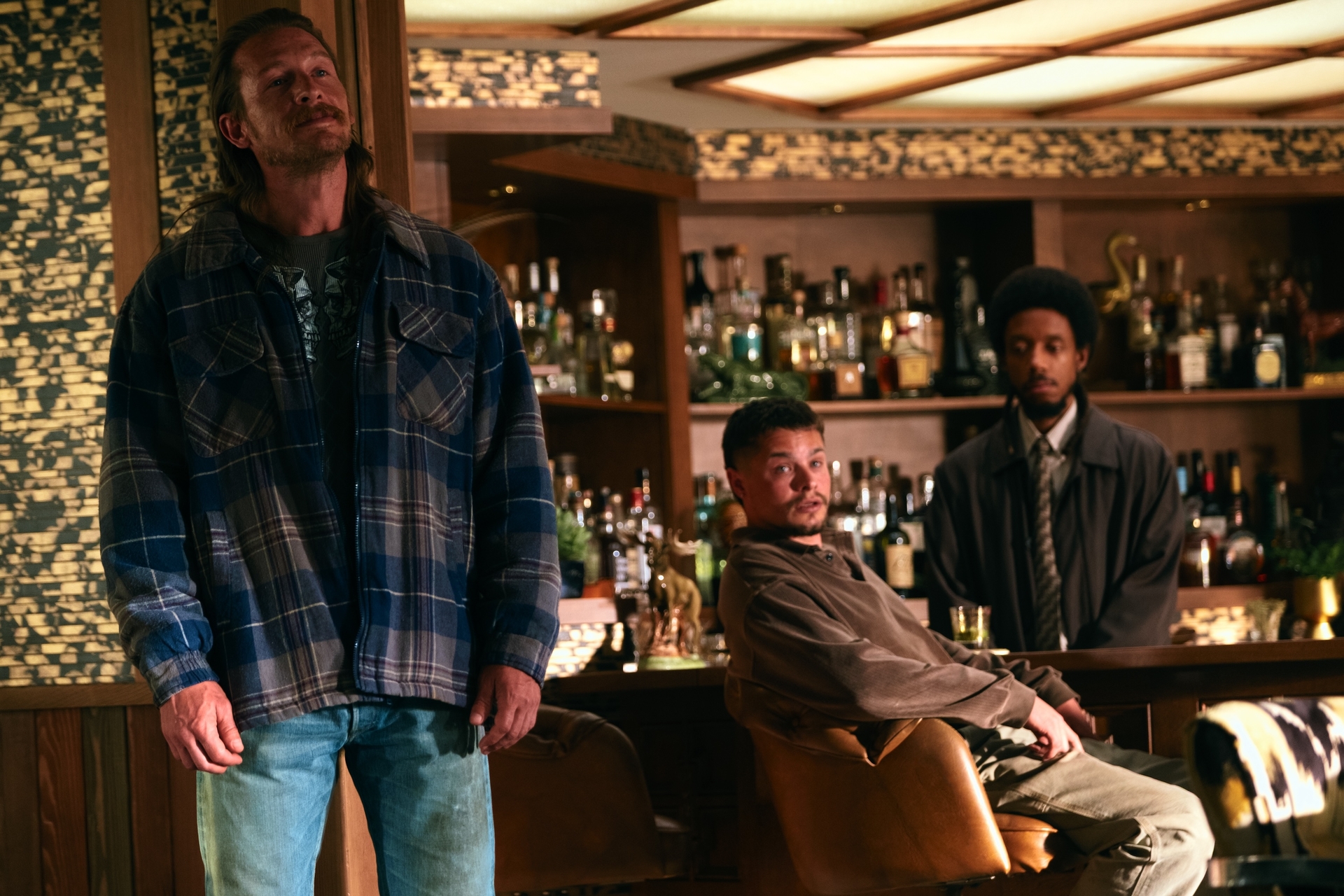
Alamo owns Gold Rush Medical Services, a company that runs ambulances and holds federal medical-transport credentials that let his vehicles cross the border for “plastic surgery and dental work” in Mexicali. Laurie wants those ambulances filled with fentanyl on the return trip.
No publicly documented federal prosecution exists in which a cartel has been charged with using ambulances, medical vehicles, or federal medical passes to move fentanyl across the southwest border. Sinaloa and CJNG, the two cartels that dominate the U.S. fentanyl market, move product through passenger vehicles, rental cars, and commercial tractor-trailers concealed in compartments or fuel tanks. The vast majority is interdicted at legal ports of entry.
CBP’s inspection rates explain part of why. As of 2024, CBP scanned single-digit-percentage shares of passenger vehicles using non-intrusive inspection technology at legal ports of entry. Commercial vehicles were scanned at higher rates, around 15 to 27%. CBP doesn’t publish data differentiating medical vehicles or ambulances specifically.
The Gold Rush Medical Services tactic is plausible. It hasn’t shown up in named federal indictments. Sam Levinson wrote a play the federal record hasn’t caught up to.
Supply and demand is the argument shaping fentanyl legislation.
Laurie’s line is part of a debate splitting U.S. drug policy in two directions.
The supply-side framing says fentanyl deaths are caused by distributors. The response is interdiction, longer sentences, and prosecution of dealers when overdose deaths result.
Drug-induced homicide laws in 30+ states are built on that framing. The federal death-resulting enhancement under 21 U.S.C. § 841(b) escalates penalties to 20 years or life when a fentanyl distribution can be traced to a death. The Halt Fentanyl Act, signed into law in 2025, permanently scheduled all fentanyl analogues to make trafficking prosecutions easier to file.
The opposing framing argues that interdicting supply only pushes users to riskier substitutes, and that resources are better spent keeping users alive. Over-the-counter naloxone, expanded treatment access, and the 35.6% decline in synthetic opioid deaths in 2024 are the evidence harm-reduction advocates cite.
Laurie’s specific version of the demand-side argument is the libertarian one. The customer wants it. The market exists because of that demand. The seller isn’t morally responsible. That framing shows up in libertarian op-eds, harm-reduction debates, and dealer-side rhetoric.
Both frames are claiming the 2024 decline as proof of concept. Both are still trying to legislate the other out of existence.
Rue’s handler said one sentence that describes a 5K1.1 motion.
“You did your job. You kept your word. The U.S. attorney will look at your case favorably.”
That line of dialogue describes the mechanic that determines whether Rue serves 20 years or walks. Under § 5K1.1 of the U.S. Sentencing Guidelines, a federal prosecutor can file a motion asking the sentencing judge to depart downward from the guideline range for a defendant who provided “substantial assistance” in the investigation or prosecution of another person. 5K1.1 motions are the standard mechanism federal prosecutors use to reward cooperating defendants. Without one, Rue’s cooperation gets her nothing on her own case.
Public data on the DEA’s confidential-informant program is limited by design. Congressional oversight in the mid-2010s indicated the DEA managed roughly 18,000 confidential informants over a 5-year span, with associated payments totaling hundreds of millions of dollars. Current scale is presumed similar or larger given the fentanyl priority. The precise number is classified.
What the show captures correctly is the lopsided power dynamic. Rue is being moved through a federal operation that will determine the rest of her life. Her handler delivers the news in a quick exchange in a sterile room. “You did good, kid” is the only piece of warmth in a procedure that is otherwise transactional.
The risk Rue is carrying isn’t publicly quantified.
The DEA does not publish data on the death or exposure rates of confidential informants. The numbers are presumed high in cartel-adjacent cases. Cooperating witnesses in drug prosecutions have been killed, threatened, or had family members threatened in published cases for decades.
Alamo’s “Hiroshima Nagasaki” threat to Laurie in the same scene operates the same way. The threat to Leslie that Bishop delivers later in the episode, when he tells Rue he’s spoken to her mother, is a common pressure point used against cooperators. Federal witness protection programs exist specifically because of this dynamic. The Federal Witness Security Program has provided protection to roughly 19,000 people since 1971, a fraction of the cooperators federal prosecutors have called on.
Rue’s mother has talked to Bishop. That conversation is a federal asset-protection problem from the moment it happens.
The supply chain is the show.
Season 3 of Euphoria was written and shot during the years when fentanyl deaths were peaking. The 2024 decline came after Levinson’s scripts were in production. He chose to make this season a fentanyl-economy story while the bodies were still falling.
He also chose to make it a Western. Season 3 Episode 3 was titled “The Ballad of Paladin.” The theme from Have Gun – Will Travel plays over a drug run. Bishop calls himself “a motherf*cking cowboy.” Alamo rides up on horseback with a polo mallet to bury Rue alive. The Mexicali border functions as the frontier.
The Western is the genre America invented to dramatize its own mythology of self-reliance. The lone figure, the gun on the hip, the law that arrives late or never. Laurie’s “supply and demand, don’t blame me” argument is the same mythology in a different costume. So is the personal-responsibility framing of addiction that has shaped American drug policy for 50 years.
Levinson is using the Western to interrogate that mythology. Rue isn’t a Western hero. She’s caught between two cartels, a federal agency, and a recovery script she can’t deliver on. None of the people running operations around her care whether she survives. The “good old fashioned American problems” she tells Jules she wants are themselves the mythology she’s being destroyed by.
Aristotle defined hamartia as the protagonist’s tragic flaw, the error in judgment that produces the downfall. The surface reading of Rue’s character has been that addiction is her hamartia. The arc of this season makes the case that addiction is the symptom. The system is the structure that built it, monetized it, and is now using it as leverage in its own prosecutions.
Rue’s actual tragic flaw, if Levinson is writing one, is the belief that she has a personal problem in a system that has been engineering personal problems out of users for a century. Which is the same belief Laurie was selling Alamo when she said the customer was the one to blame.