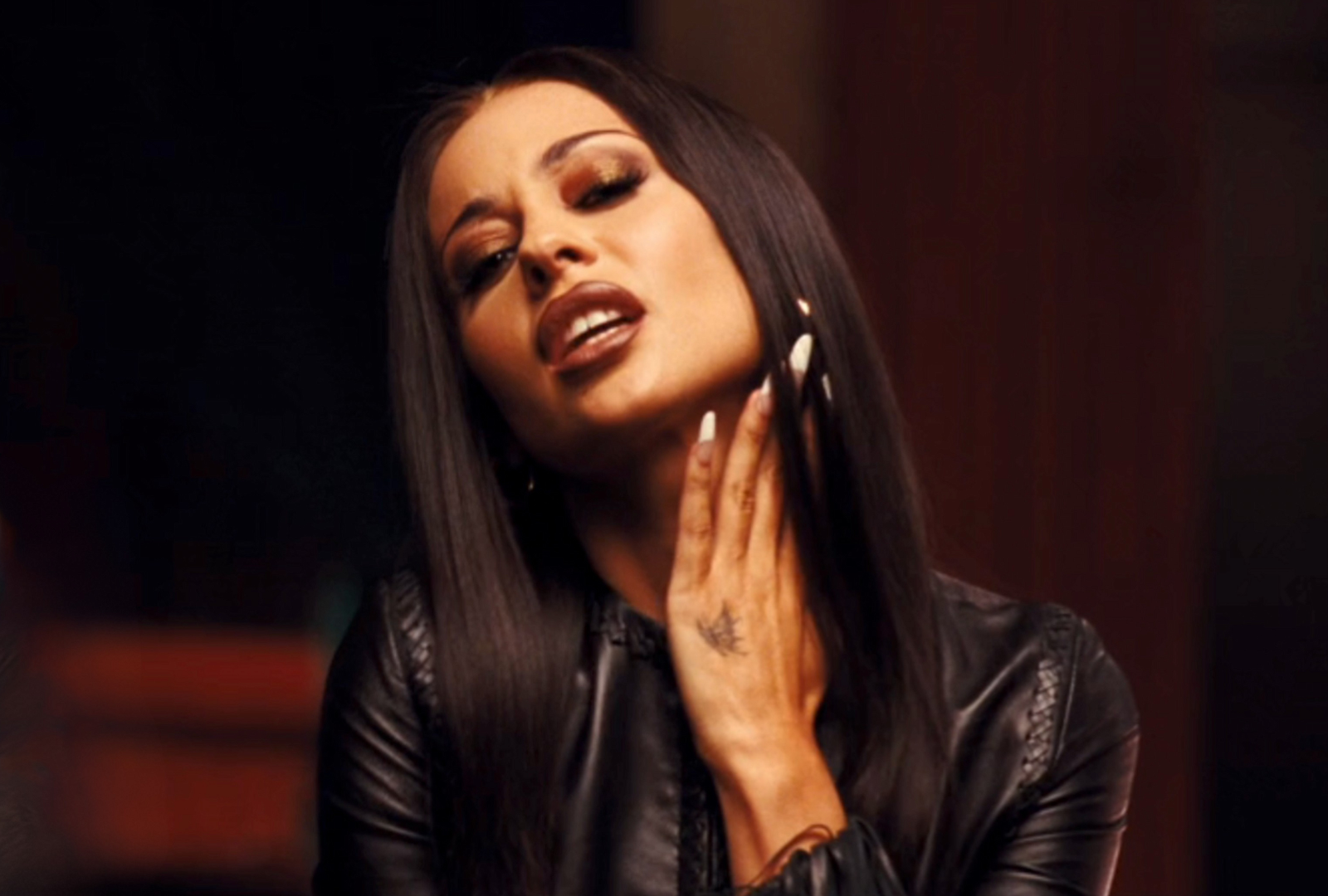
Maddy Perez Has Been Sam Levinson’s Stand-In As Euphoria Season 3’s Resident Creative Director, But Stealing The Spotlight From Cassie Would Be The Ultimate Revenge

Cassie Howard stole Nate Jacobs from Maddy Perez when they were teenagers. Our reading of Season 3 predicts an ending where Maddy steals something Cassie can’t replace.
The version of revenge worth watching for in the final episodes is stardom. Maddy can take everything Cassie has been chasing just by being the person the camera turns to next.
Look at what Maddy has been doing all season. She handles clients at a Hollywood talent agency to managing OnlyFans creators on the side. She just signed a 15% deal with Alamo Brown to manage his strip-club girls.
She decides who gets the camera, where the lens points, how the content is packaged for the market, and she’s not afraid to get her hands dirty, whether that’s farting in a jar or coaching girls on how to pose. She can teach people this job because she already knows how to do it herself.
That’s the same job Sam Levinson has been doing all season.
Maddy is the show’s structural intelligence.
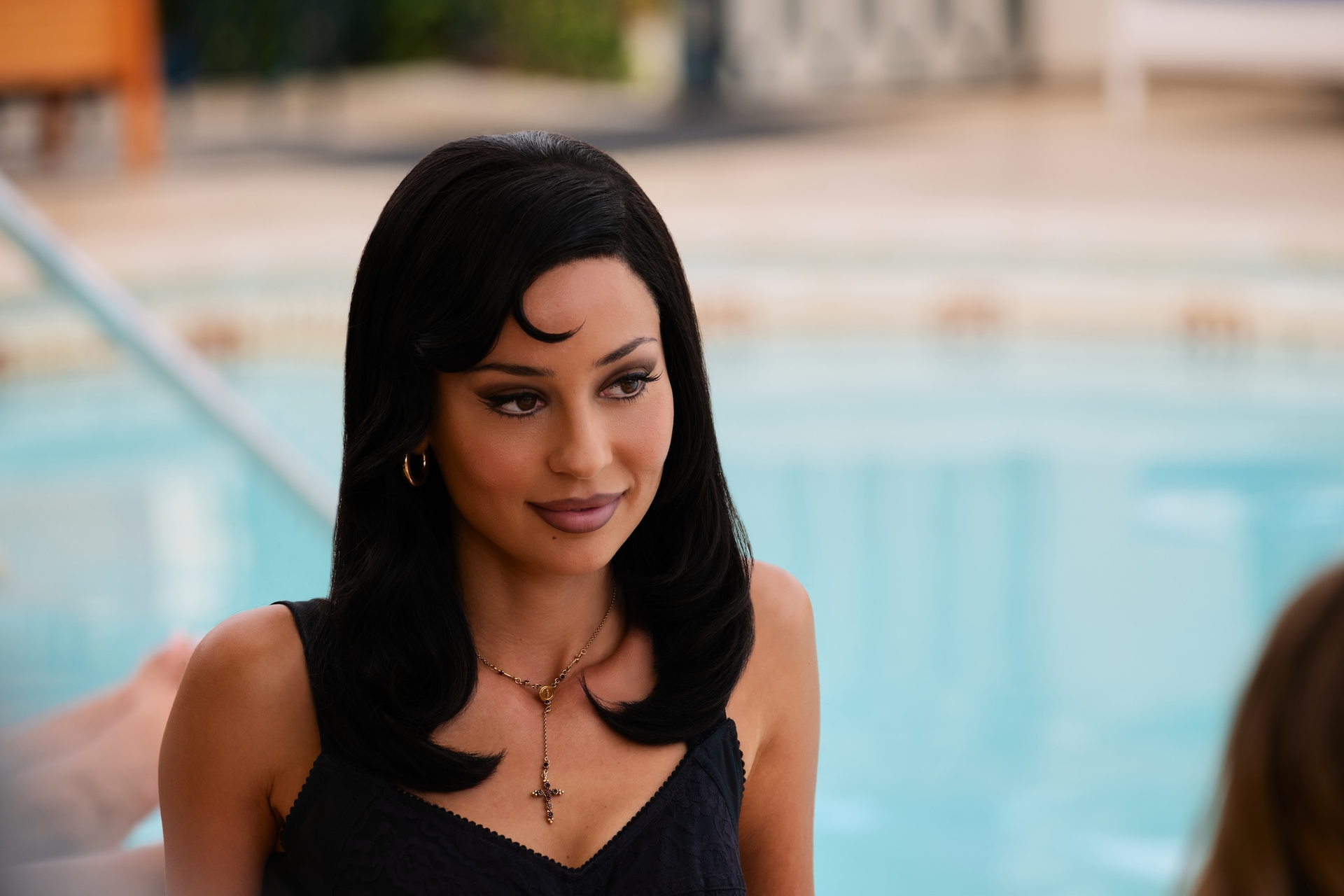
Every season of Euphoria has a character who speaks the thesis statements out loud. In Season 3, that character is Maddy.
“I believe in capitalism” gets her hired at the agency. It’s also the show’s economic argument for the entire season.
“The angrier these idiots get, the more money you make.” Her thesis on the rage-bait content economy is also the line that scales Cassie’s OnlyFans numbers from 17,000 to 50,000 subscribers in a week.
“Trying way too hard instead of just being.” Her critique of Cassie’s dog video is also a directorial note from Levinson to a fictional content creator about what makes content land.
The Pomeranian war speech. The diner pitch to Alamo. The $8 billion vs. $7 billion Hollywood-versus-OnlyFans comparison. Most of the cultural analysis the show has made this season about attention, ambition, and the economy of being looked at has been delivered through Maddy.
Operationally, she does what showrunners do. She manages talent. She decides who gets profile-built. She packages people for the camera and takes the cut.
The actual showrunners on the show are the foil.
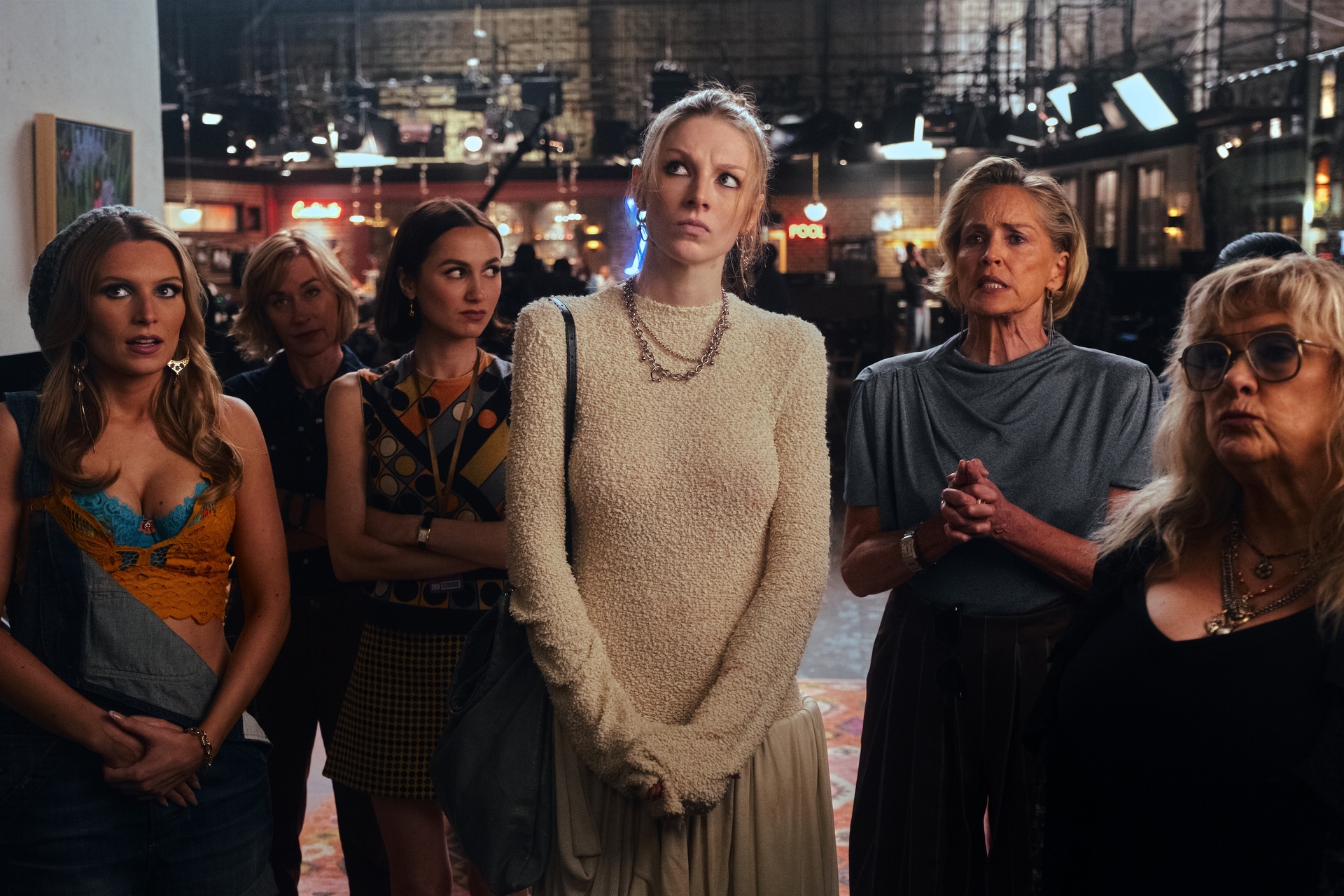
Compare Maddy to the showrunners Lexi works for on LA Nights.
They commissioned Jules to paint a Seurat-inspired piece for the soap and then complained when it didn’t meet “Standards.” They didn’t tell her how to fix it. Just gave vague feedback, and told her covering all of the genitalia that would get them in trouble was up to the artist’s discretion.
They cast Cassie on a whim. They watched her audition video, liked the look, and signed her for one scene of “Job Applicant” with no expansion in mind. She wasn’t on a shortlist, scouted, or recruited. She fell into their lap.
When Cassie showed up on set and improvised an entire emotional breakdown into the take, the showrunners didn’t redirect. They rolled with it. They watched what happened organically on camera and wrote the storyline around it afterward. The showrunner’s note was “I think she’s got something.” That was the whole creative direction.
That’s the model Maddy is the negative image of. The LA Nights showrunners are passive. They wait for talent to walk in and react. Maddy is active. She finds the talent, packages it, directs the rage-bait angles, books the podcast appearances, signs the contracts, takes the cut.
The LA Nights showrunners are a characature of Hollywood. Maddy is Levinson’s sketch of an auteur in action.
The Levinson parallel doesn’t soften when it gets uncomfortable.
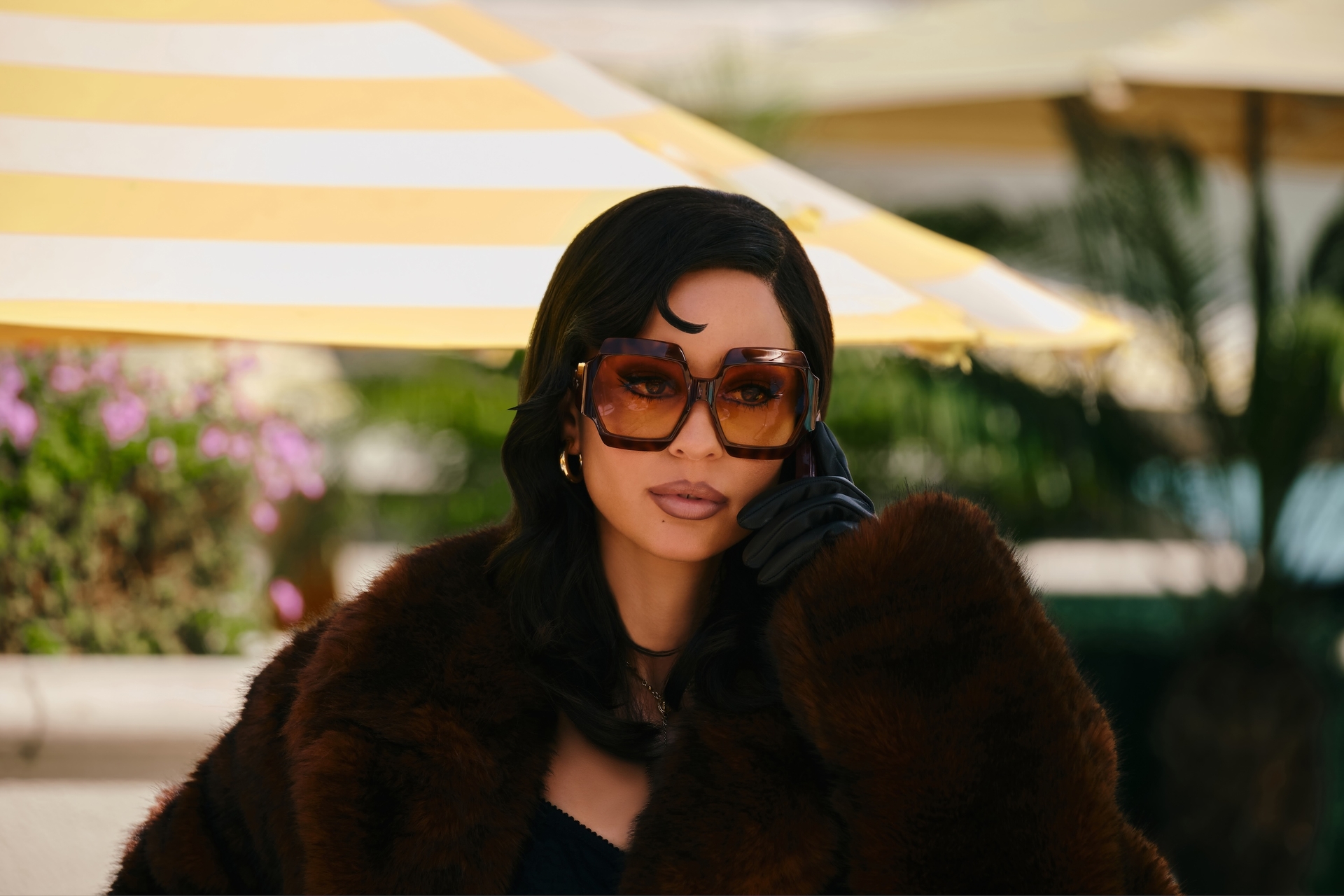
Sam Levinson writes and directs every episode of Euphoria. He is the sole credited writer on the show. There is no traditional writers’ room. The auteur-showrunner model gives one person almost total control over which characters get screen time, what they say, how they’re framed, and on what terms.
A fictional version of that job exists inside the show. The character running it is Maddy.
The roles match line by line. Levinson decides who gets a monologue. Maddy decides who gets a podcast booking. Levinson controls the season’s cultural commentary. Maddy delivers that commentary as his mouthpiece. Levinson builds characters for his actresses the same way Maddy packages her clients.
Levinson has been criticized for the way he frames the women on his show. Maddy frames Cassie the same way, on screen, in real time. Both of them treat the camera as a market and the bodies in front of it as inventory.
Cassie’s identity is about being looked at.
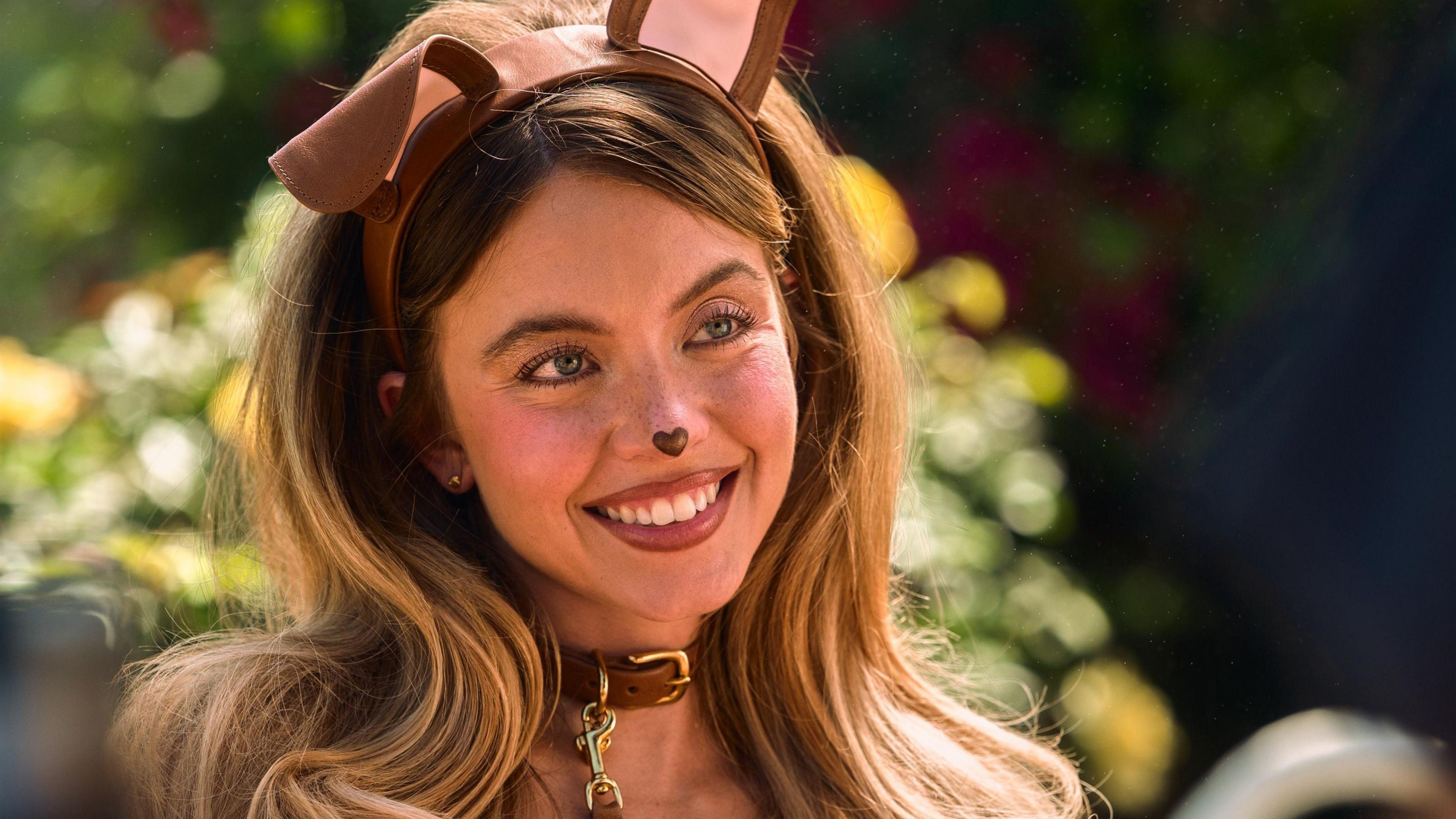
Cassie Howard’s entire arc has been about visibility. The Season 1 leaked video reduced her to what men saw. The Season 2 storyline was performing the version of herself Nate wanted. The Season 3 storyline is the active chase. OnlyFans. The dog content. The ring pawn. The 50,000-subscriber spike. The Cleopatra audition. The “Job Applicant” role that Lexi expanded into a storyline.
Every milestone has been about getting the camera to point at her.
The fear underneath the whole arc is being unseen. Fading into the background. Not being interesting. Losing people’s attention.
That’s the fear Maddy understands better than anyone, because Maddy has spent the season managing it. She knows which content angles produce attention. She knows which appearances move subscriber counts. She knows what makes the lens turn.
If Maddy ends the season as the one being watched, Cassie’s role flips. The chase is over. The camera finds a new muse to focus on.
Nate was the surface betrayal. The spotlight would be the structural one.
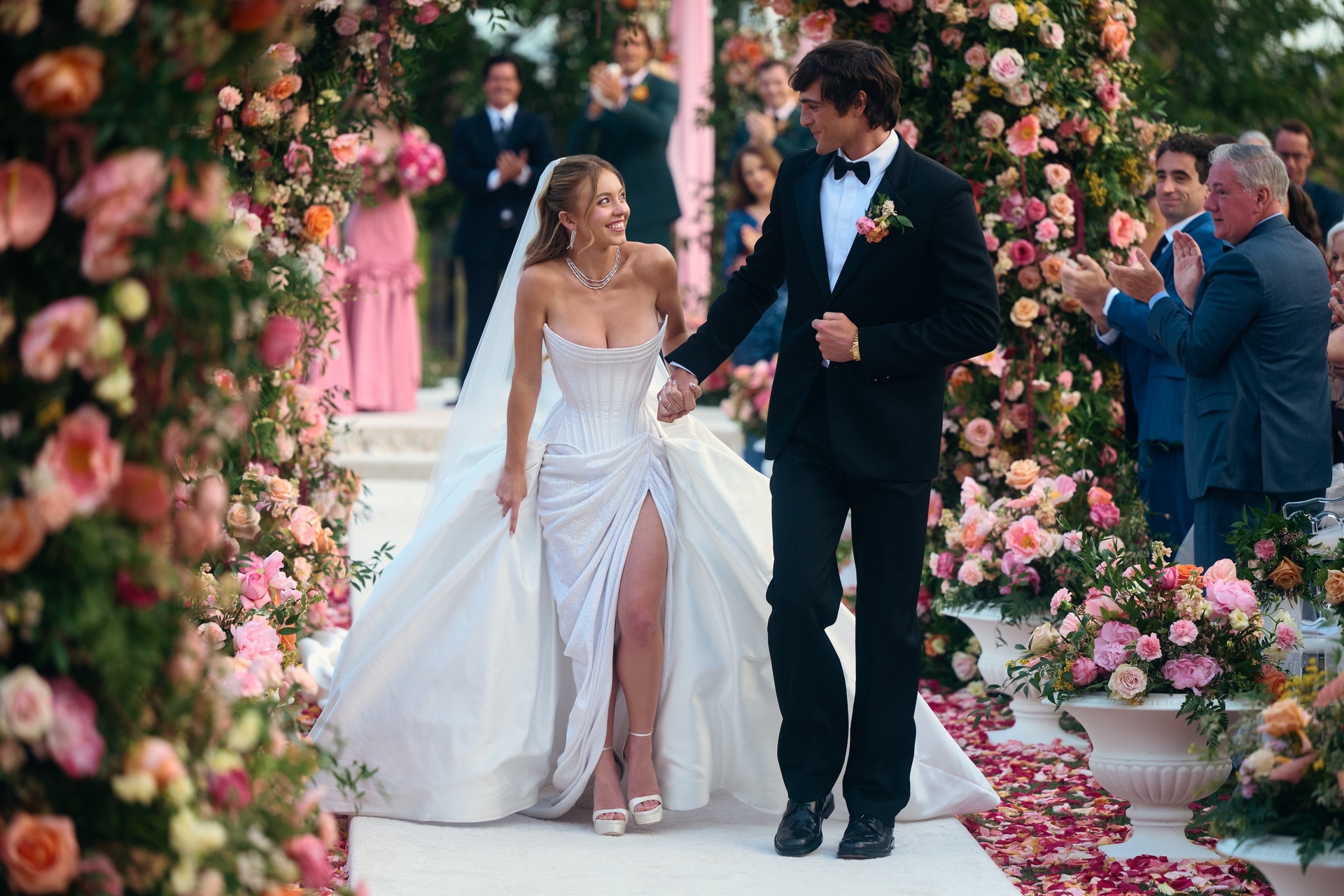
Cassie stole Nate Jacobs from Maddy in Season 2. The betrayal defined the second half of that season. They beat each other onstage. Maddy called Cassie a coward in front of the whole school.
5 years later, Maddy doesn’t want Nate back. He’s a million dollars in debt, missing a toe, screaming slurs through a door. He’s a depreciated asset.
What Cassie has that Maddy could take is the thing Cassie actually wanted from Nate. Being looked at. Being the one in the room everyone notices. Being the figure at the center of the frame.
Stealing the man was the surface betrayal. Stealing the spotlight would be the structural one. The first cost Maddy a boyfriend. The second would cost Cassie the entire identity she’s been building since she was 16.
The first 5 episodes read like setup.
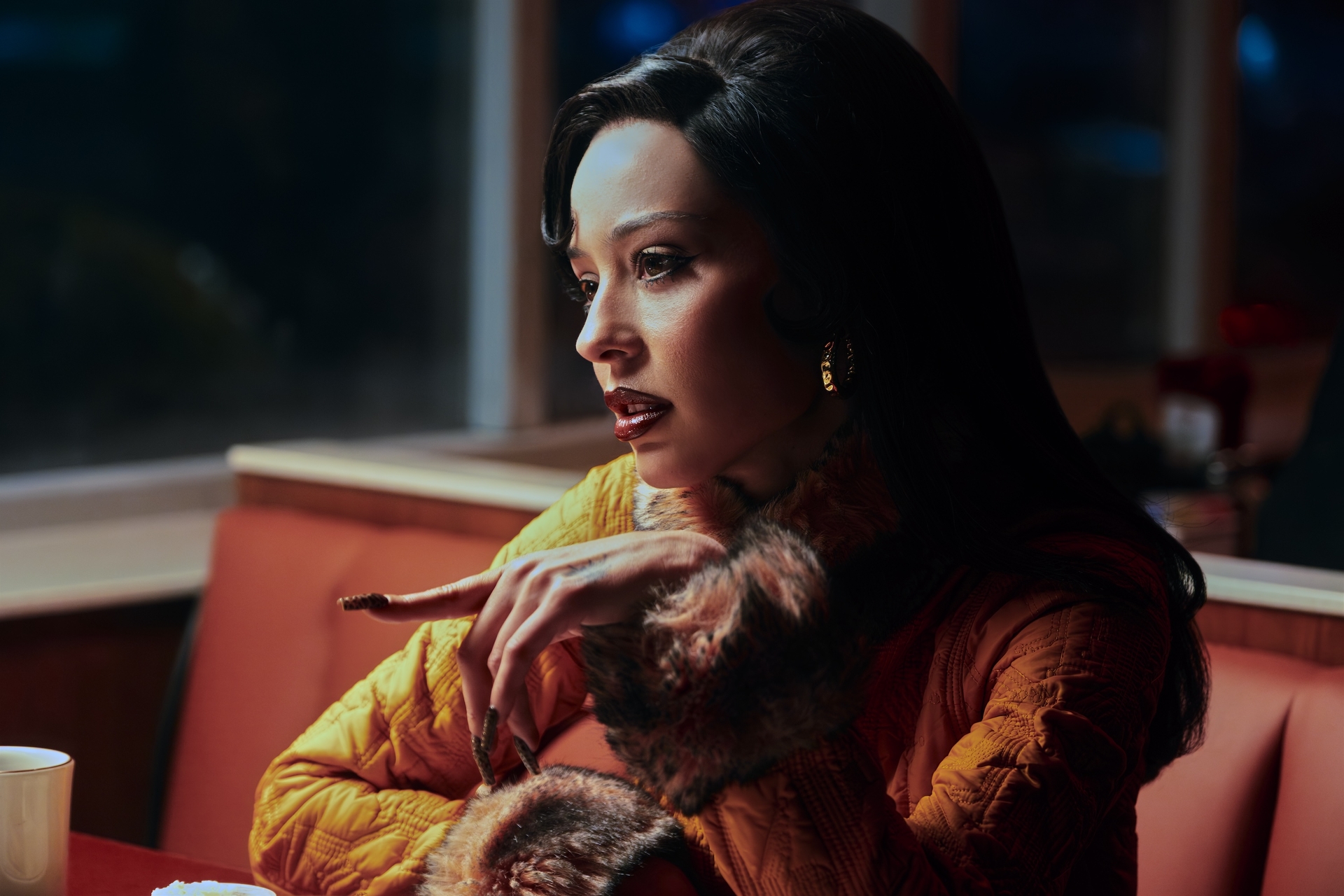
S3E1. Rue’s voiceover introduces Maddy as arriving in Los Angeles with a suitcase and a plan. She walks red carpets for other people. She handles clients. She earns scraps. The opening positions her as a person who knows the industry’s gates because she’s been working them.
S3E2. The “I believe in capitalism” pitch. She names what’s missing from Cassie’s content. The implication is that she could deliver it.
S3E3. Maddy attends Cassie’s wedding. She cries during the vows. She leaves without making a scene. Read the moment this way and it’s about Maddy seeing the version of being-looked-at that Cassie chose and recognizing she could have done it better.
S3E4. The Pomeranian war speech. She names the dynamic Cassie is in, and tells her how she can not only survive its chaos, but thrive in it.
S3E5. She runs Cassie’s operation. Subscribers spike. She gets fired, cancels an LA Knights audition she hadn’t even booked, gets a contract signed minutes later, and secures the real audition. She meets Alamo at a diner and pitches managing his girls at 15%. By the end of the episode she’s in business with both the OnlyFans star and a strip-club operator.
S3E6. She coaches Cassie, Magick, and Kitty through a joint photoshoot. Maddy is the living breathing example for her clients. The question becomes why has she chosen to be behind the camera instead of in front of it. She’s so clearly a star herself.
The pieces are in place. Maddy is the character with access to all of the season’s attention economies at once. The piece she hasn’t taken yet is the lens itself.
If Sam Levinson is writing toward this, the revenge is stardom.
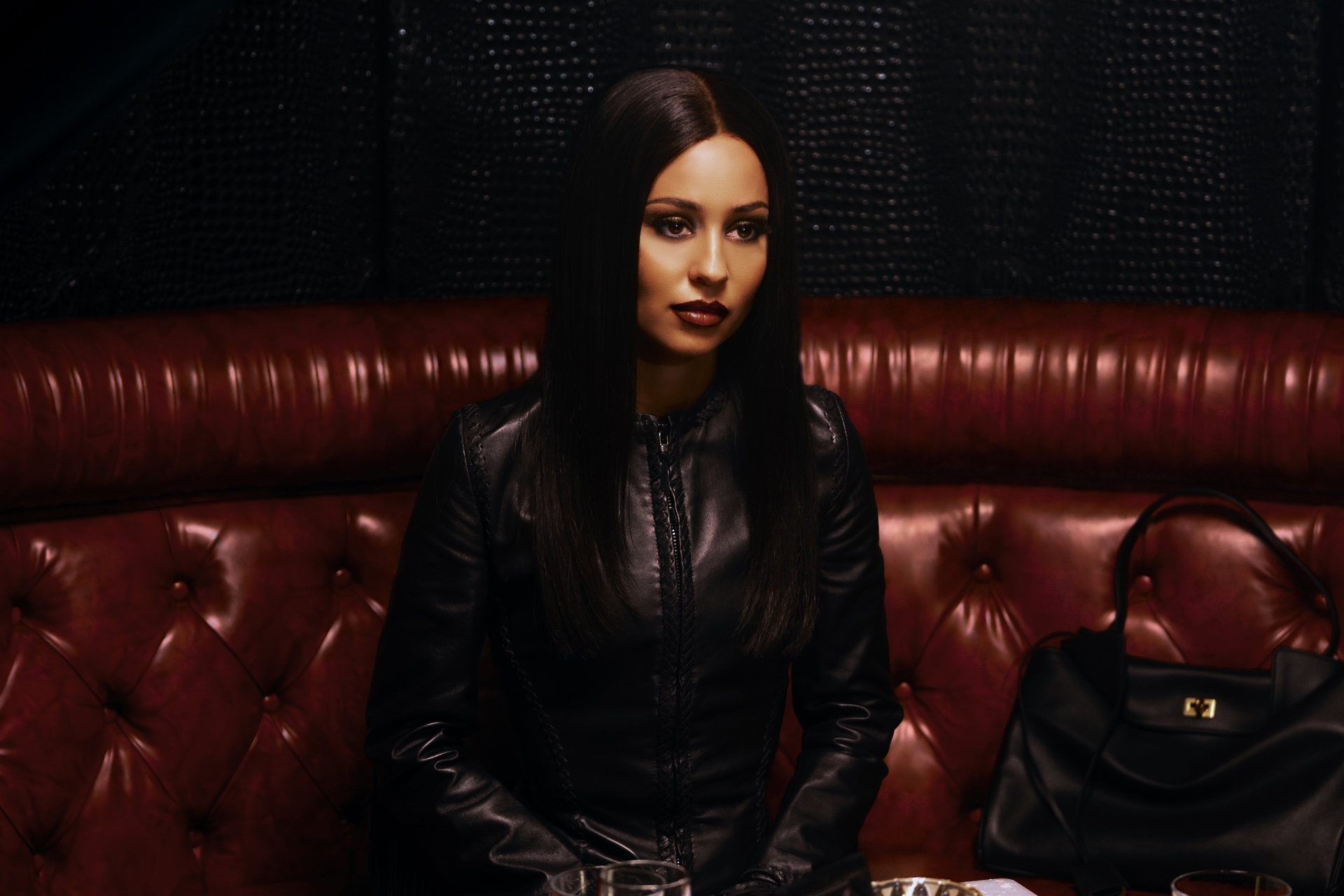
Maddy can take everything Cassie’s been chasing without ruining her career, or touching the marriage. All she has to do is out-perform her at the very thing Cassie thought she alone could deliver.
The show has been training the audience to see Maddy as the smartest person in any room she’s in. The natural endpoint of that framing is the person who understood the camera best the whole time becoming the person it points at.
If it happens, the move is also Levinson stepping back. The character he’s been writing the show’s thesis through becomes the show’s subject. The auteur and the character he’s been authoring through merge. The person packaging the content becomes the content.
Cassie spent the season chasing the spotlight. Maddy spent the season understanding it. If the season ends with the one who understood it inside it, Cassie’s own desire is what made the revenge possible. Maddy just happened to be better at it.