A staff member looks at an original printed copy of the U.S. Declaration of Independence on display at The National Archives in Kew, London.
BROOK MITCHELL / AFP via Getty Images

A British Warship Chased an American Ship for 7 Hours on Christmas Eve 1776 and Captured It. Onboard Was a Copy of the Declaration of Independence That Just Resurfaced in London
By

The paper sat folded inside a Royal Navy captain’s letters for 250 years, filed as “another paper” and forgotten. A retired insurance executive volunteering one Thursday morning unfolded it and saw one word printed across the top: “Declaration.”

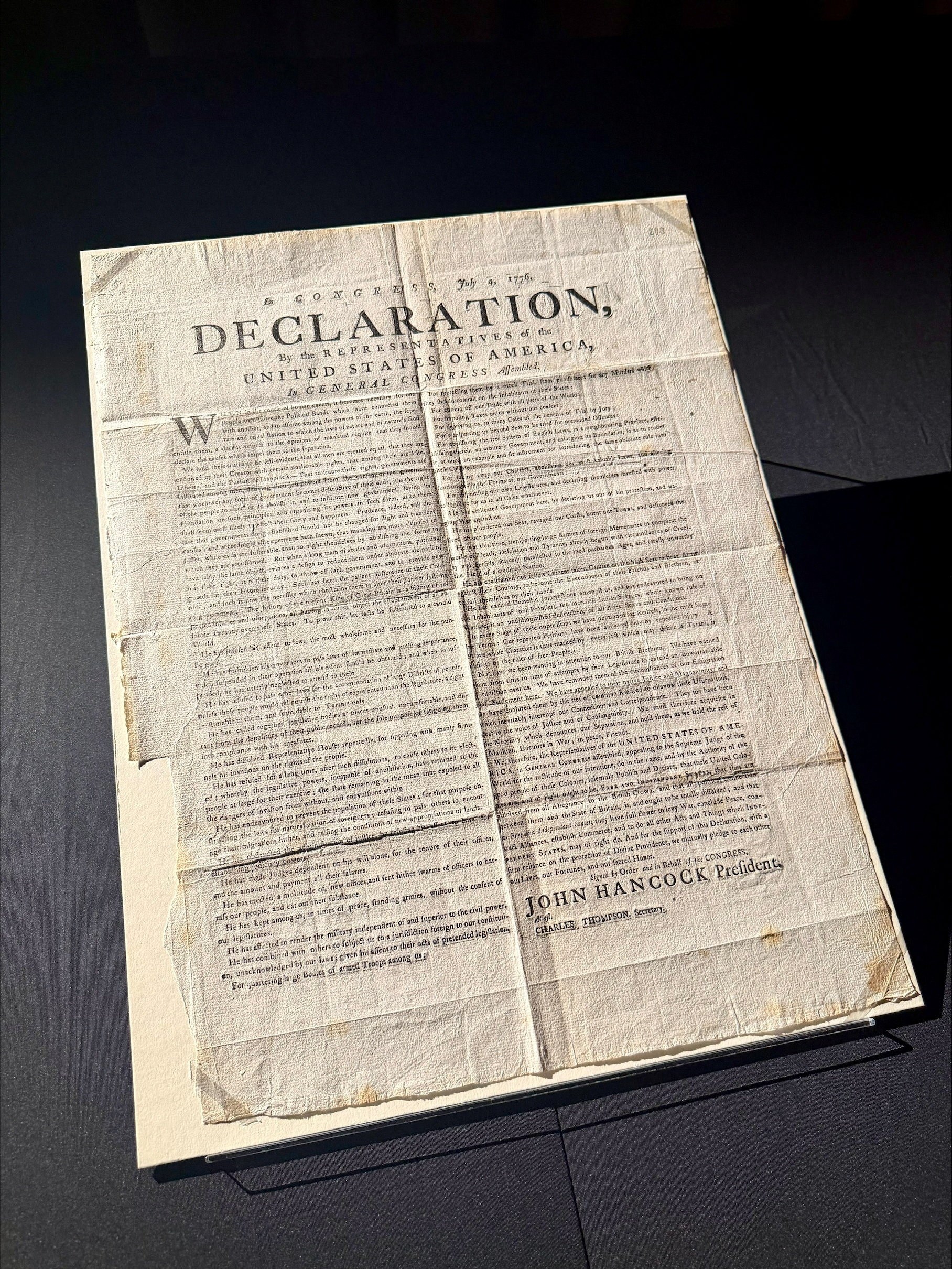
It’s one of just 11 surviving copies of the Exeter printing of the Declaration of Independence, and the only one ever found outside the United States. The copy was printed in Exeter, New Hampshire, between July 16 and 19, 1776, days after the original was signed, to carry news that 13 colonies had broken from Britain.

A 1776 printed copy of the U.S. Declaration of Independence displayed at The National Archives in Kew, London.
One of only 11 surviving “Exeter Declaration” copies from 1776 — and the first ever found outside the U.S. — on display after its discovery at The National Archives in Kew, photographed July 3, 2026. Credit: The National Archives/via REUTERS.

Michael Scurr found it while cataloging documents at Britain’s National Archives, where he’s volunteered for 11 years. It was tucked into a report on the capture of the Dalton, an 18-gun American privateer sailing under orders signed by John Hancock.

Captain Thomas Fitzherbert of the 64-gun HMS Raisonnable ran the Dalton down off the coast of Portugal and took her crew of 120 prisoner. The men were held in Plymouth under harsh conditions, among them Charles Hebert, who was 19 when captured and kept journals through more than two years of captivity before a prisoner exchange freed him.
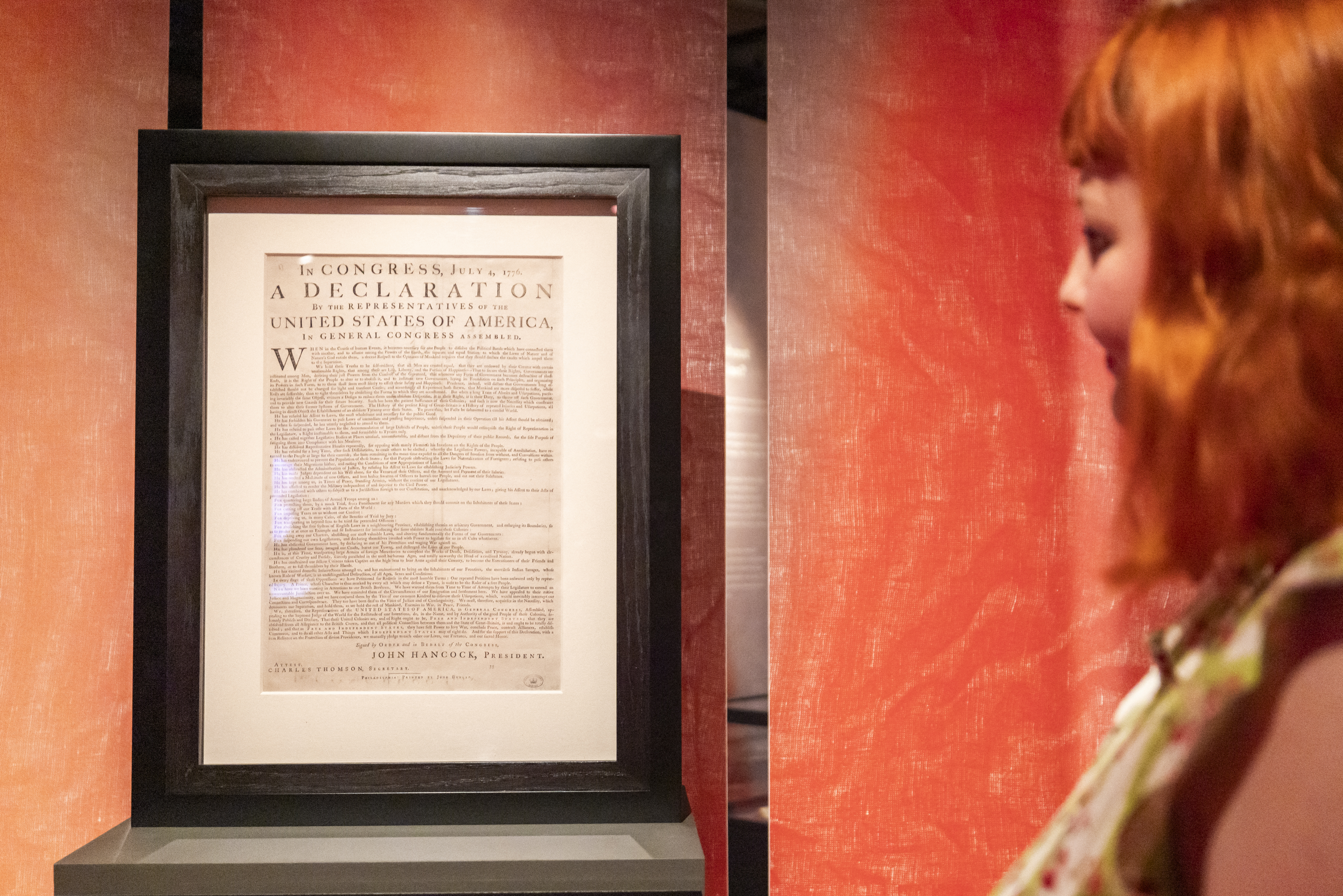
A staff member views an original Dunlap broadside printing of the U.S. Declaration of Independence at The National Archives in Kew, London.
The John Dunlap-printed Declaration of Independence — on display at The National Archives in Kew, London ahead of the Revolution 250 exhibition — dates to the night of July 4, 1776. Photo by Brook Mitchell / AFP via Getty Images.

Amanda Bevan, who leads the archives’ project cataloging Royal Navy captains’ correspondence, believes the Dalton’s captain would have read the declaration aloud to his crew. “They’re not fighting because they’re aggrieved in particular. They’re fighting for an ideal,” she said.

Thank you for reading Thought Catalog. Keep up with us on Facebook, or dive into more on our website.


A staff member looks at an original printed copy of the U.S. Declaration of Independence on display at The National Archives in Kew, London.
BROOK MITCHELL AFP via Getty Images
A 1776 printed copy of the U.S. Declaration of Independence displayed at The National Archives in Kew, London.
One of only 11 surviving "Exeter Declaration" copies from 1776 — and the first ever found outside the U.S. — on display after its discovery at The National Archives in Kew, photographed July 3, 2026. Credit: The National Archives/via REUTERS.
A staff member views an original Dunlap broadside printing of the U.S. Declaration of Independence at The National Archives in Kew, London.
The John Dunlap-printed Declaration of Independence — on display at The National Archives in Kew, London ahead of the Revolution 250 exhibition — dates to the night of July 4, 1776. Photo by Brook Mitchell AFP via Getty Images.