It Wasn’t Just Carrie:
The Yearbook We Needed
Yearbooks make senior year look cleaner than it was. They leave out who felt alone, who was shut out, and how quickly one cruel choice could become everyone’s problem.
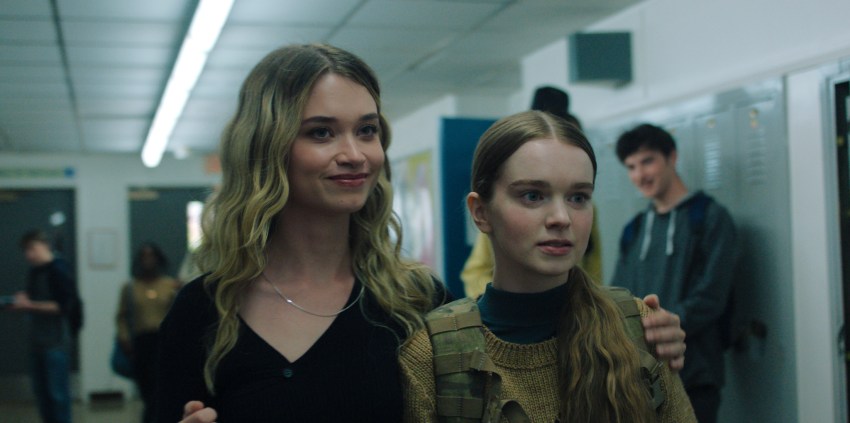
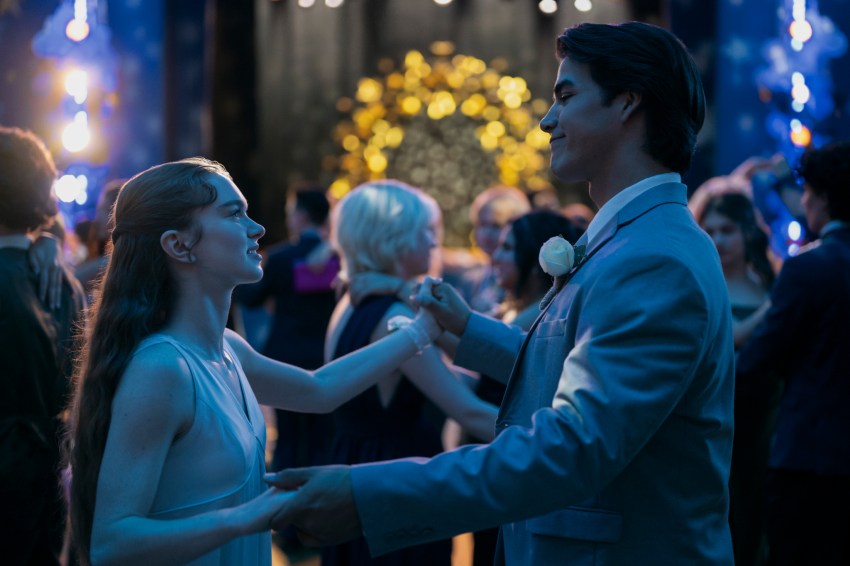
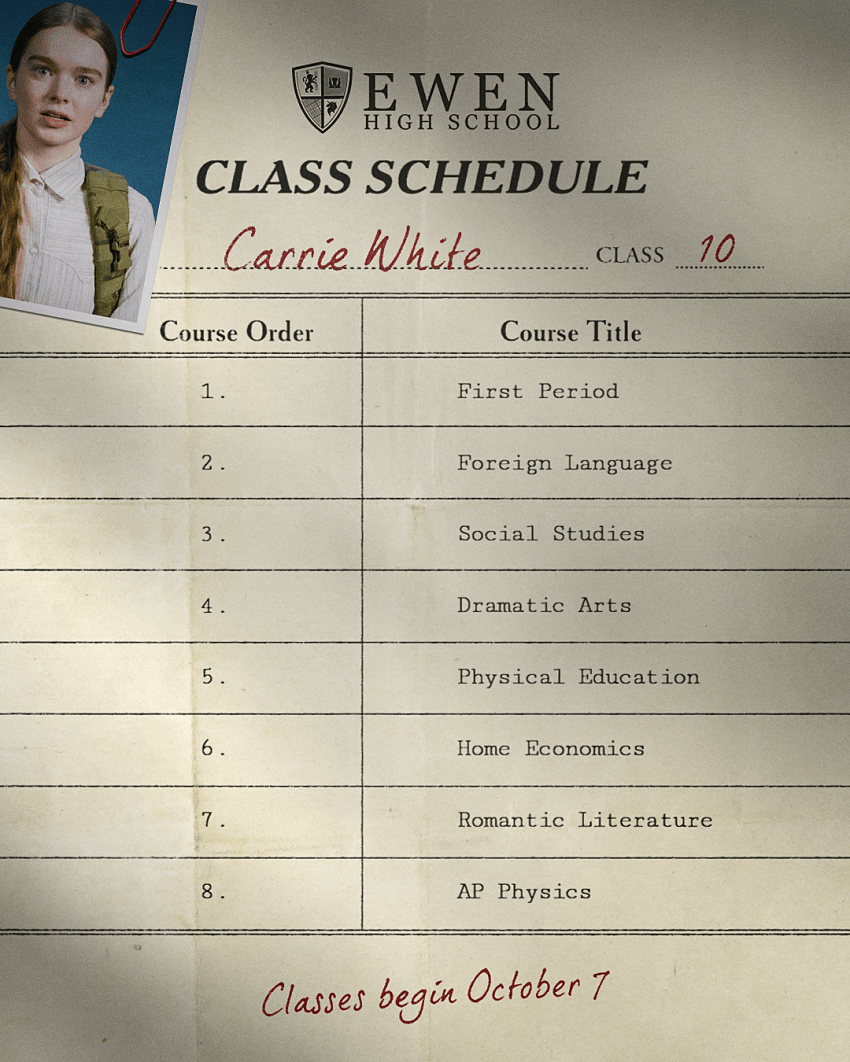
Created and directed by Mike Flanagan, the first television series adaptation of Stephen King’s Carrie follows Carrie White as she navigates life at Ewen High and begins to understand the mysterious power growing inside her. Carrie is streaming October 7, only on Prime.
The Faces of Ewen High
Everyone smiled for the photo. Not everyone meant it.
-

Sue Snell
“Those who stand for nothing, fall for anything.”
-
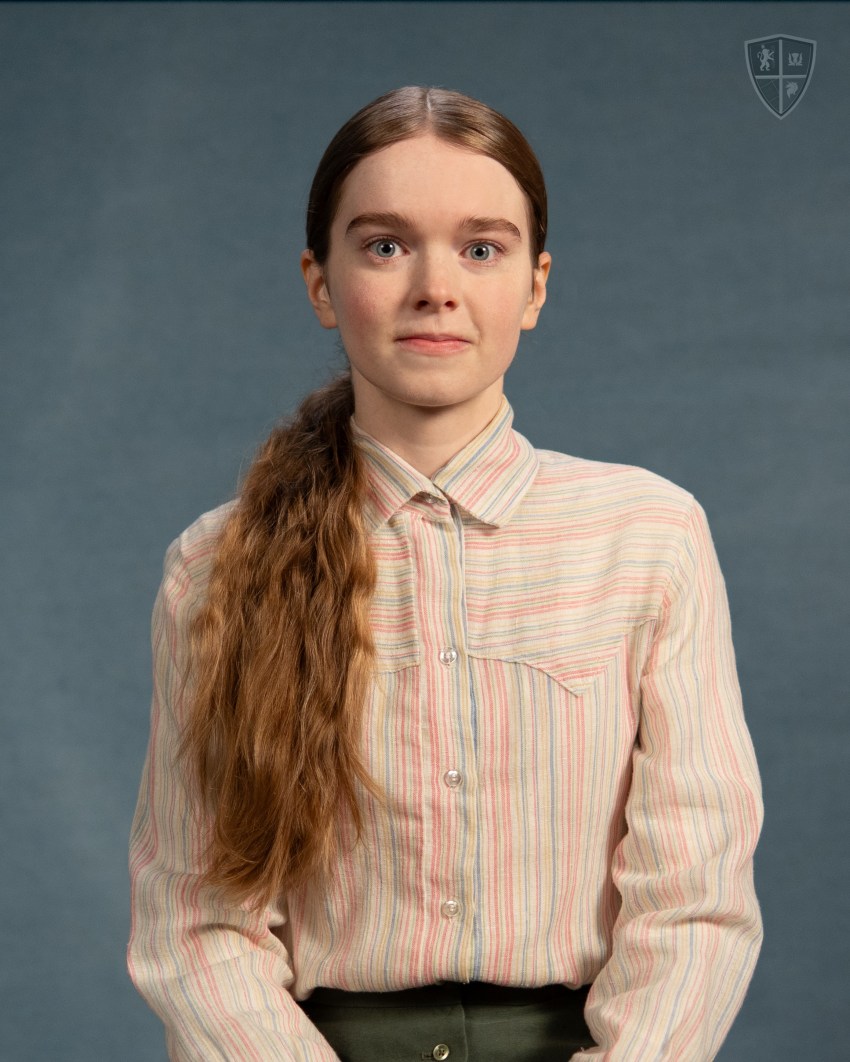
Carrie White
“Always try to be a little kinder than is necessary.”
-

Chris Hargensen
“If you’re not with me, you’re against me.”
-

Tina Blake
“When someone shows you who they are, believe them.”
-

Tommy Ross
“We Earth Men have a talent for ruining big, beautiful things.”
-

Principal Grayle
“Treat others the way you would like to be treated.”
Memories We’ll
Never Forget
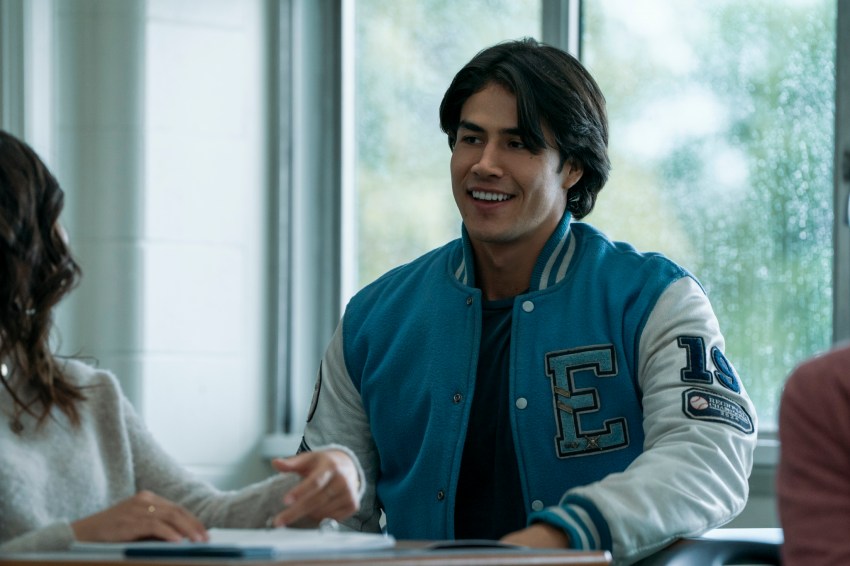

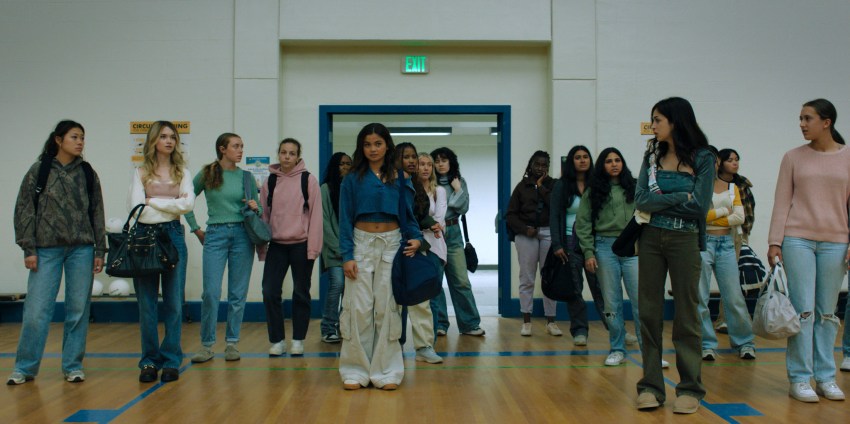

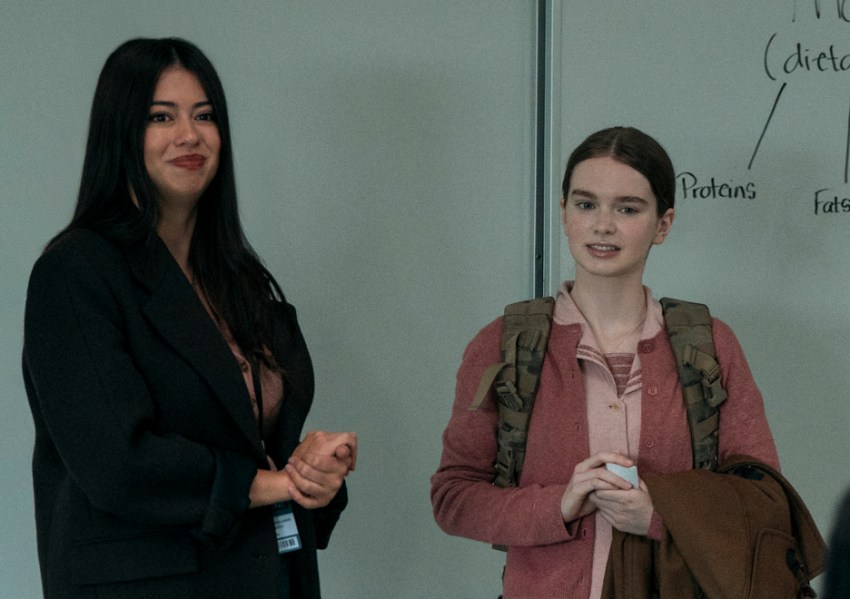










Yearbook Day
-
Sue Snell
-
Carrie White
-
Chris Hargensen
Yearbook Day
-
Tina Blake
-
Tommy Ross
-
Teachers of Ewen High

You Were Never the
Embarrassing Part
Other people’s cruelty doesn’t get to decide who you become
Someone makes a joke about what you’re wearing, and everyone around you starts to laugh. After the shock and the panic wear off, you start to laugh too because you don’t want them to see how much you’re hurting. Later, you replay the moment and think of what you wish you’d said. The person who made the callous comment may never think about it again. But the next time you reach for that outfit, you put it back.
That’s part of what makes cruelty so hard to confront. Something that barely registers for one person can set a completely different course for someone else. You stop raising your hand.
You stop posting photos because you know how fast a screenshot travels. Eventually you tell people you’ve always been private, even though you remember wanting to be seen. The shame conditions you to be “smaller”. Small enough so they hopefully stop noticing you.
That fear of being singled out is part of what makes Carrie White’s struggle to belong feel so familiar. Those habits follow you well past graduation.
You hold back what you really think because you’re afraid of how people will react, or make a joke about yourself before anyone else can. You worry people will make fun of you before you’ve ever said a word to them. That one look at you will be all it takes for them to want to tear you down.
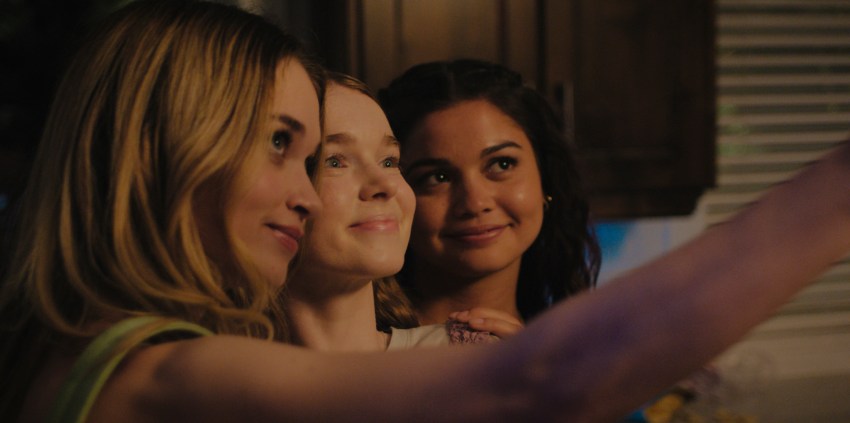
It’s happened before, and you don’t want to give them another chance.
There’s pressure to make excuses for the people who hurt you. They were young. They probably didn’t mean it.
You can spend years accounting for someone else’s behavior while treating your own reaction as the embarrassing part.
You can be honest about how much it hurt, and let yourself be angry about it. You spent years trying to fit in with people who kept finding new reasons to make you feel small.
Anger you’ve swallowed for that long can build into something you don’t fully understand. It’s frightening to realize how much of it is there. You can be angry with someone and still choose how you respond, including what you’re willing to accept from them again.
You may not know what to say when someone embarrasses you. Later, you might type a message to a friend and delete it because you’re worried they’ll think you’re overreacting. Start by telling them what happened without adding “it’s fine” when it isn’t.

Saying that it hurt can make you feel exposed and vulnerable, especially when you’re used to pretending otherwise.
That fear of being the target can also shape how you act when someone else is being singled out. Maybe you’ve laughed along because you were relieved it wasn’t you. It can be uncomfortable to admit that and still difficult to speak up. The next time it happens, start by refusing to join in.
You might still hear an old comment replay in your head when you get dressed tomorrow. Wear it anyway, even if you feel self-conscious. Stand by one of your own opinions without rushing to apologize for it.
Notice whose permission you’re still waiting for, even when they aren’t in the room.
In Carrie, small, everyday cruelties build toward catastrophe. The series puts their cost, and the desire to belong, at the center of its horror.
 is now streaming