Humans May One Day Be Able to Regrow Lost Fingers, Limbs, or Other Body Parts Thanks to a Serum That Helped Mice Regrow Part of an Amputated Fing

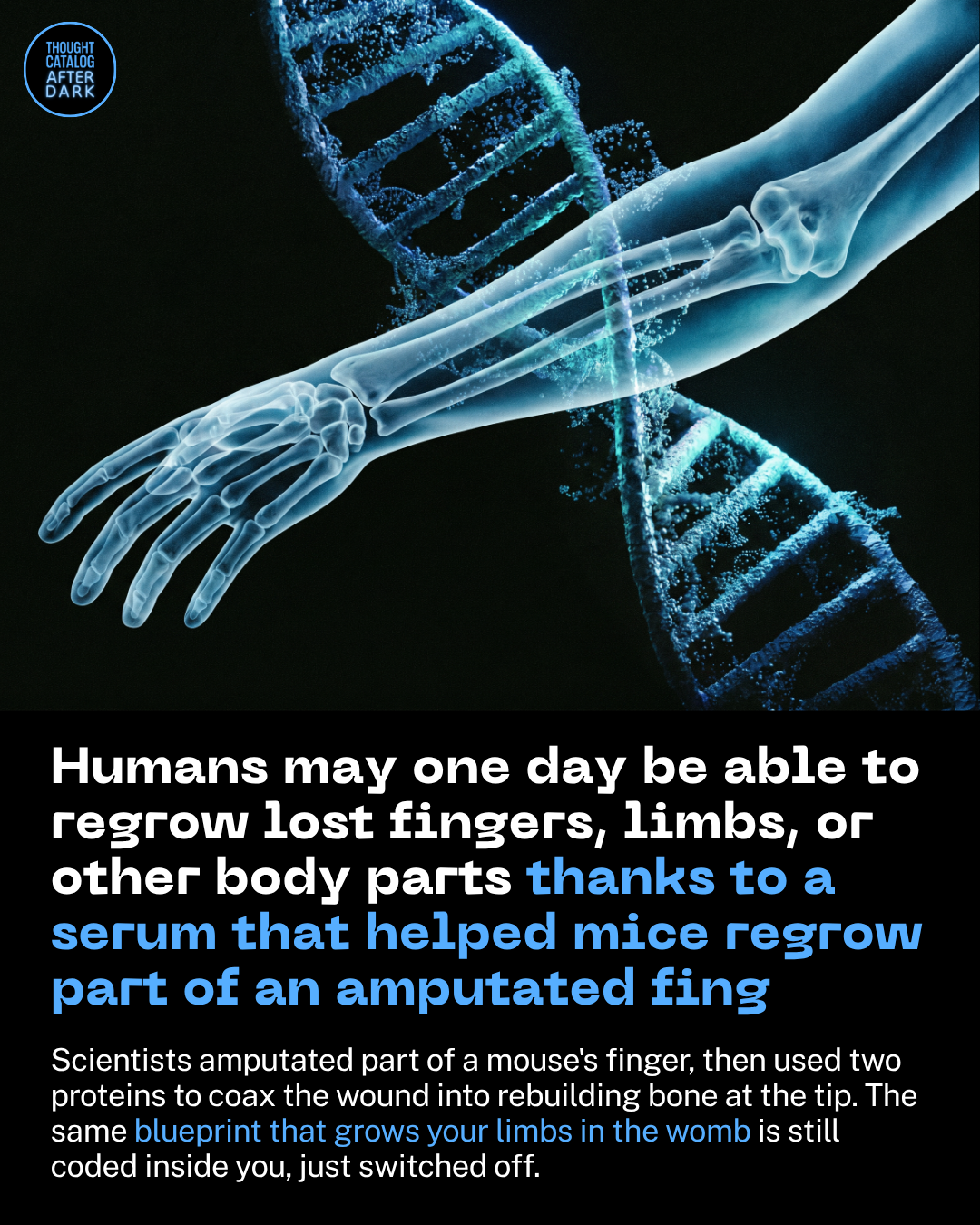
Mice regrew part of an amputated finger after researchers applied two proteins in sequence, rebuilding bone, cartilage, a working joint, and tendon attachments where there should have been a scar.
The Texas A&M-led team published the work in Nature Communications. They amputated the middle bone of a neonatal mouse’s digit, a cut that normally heals over with scar tissue and never grows back. Then they waited.
Four days in, once the skin had closed on its own, they implanted a single 150-micron bead soaked in FGF2 at the center of the wound. Five days after that, a second identical bead soaked in BMP2. No stem cells, no scaffolding, just two timed protein signals released locally over about three days each.
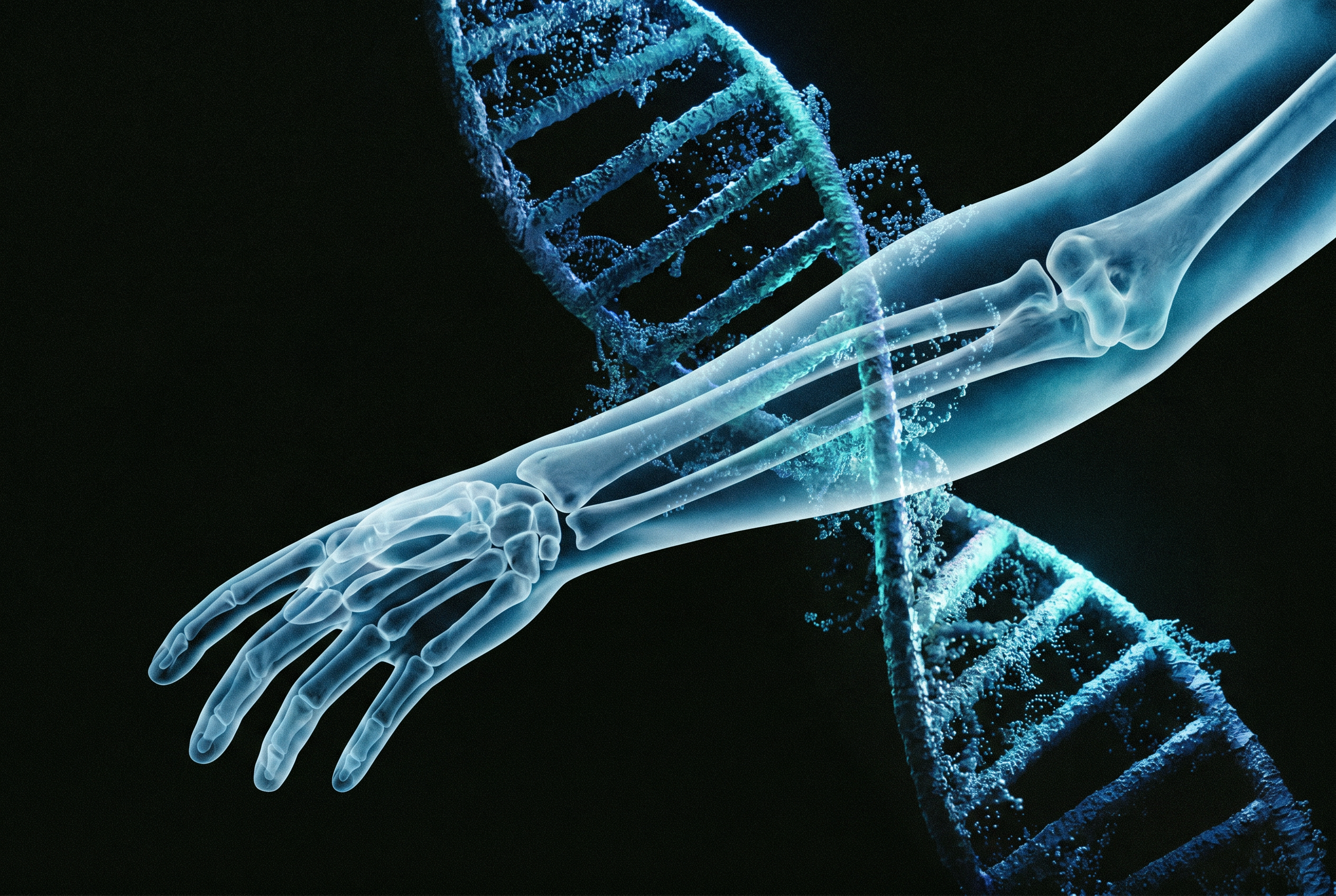
FGF2 stopped the wound from scarring and coaxed local fibroblasts into a blastema, the mass of unprogrammed cells salamanders use to regrow lost limbs. BMP2 then told those cells what to build. About 95.5% of treated digits regenerated a new fingertip bone through the same endochondral process embryos use, complete with a growth plate, a marrow cavity, a cartilage cap, a separate sesamoid bone, and a synovial joint lined with lubricin-producing cells and connected to the original tendon.
Lineage tracing showed the new tissues came from ordinary wound fibroblasts that changed fate based on where they sat and what signals they received. “You don’t have to actually get stem cells and put them back in,” study author Ken Muneoka says. “They’re already there. You just need to learn how to get them to behave the way you want.”
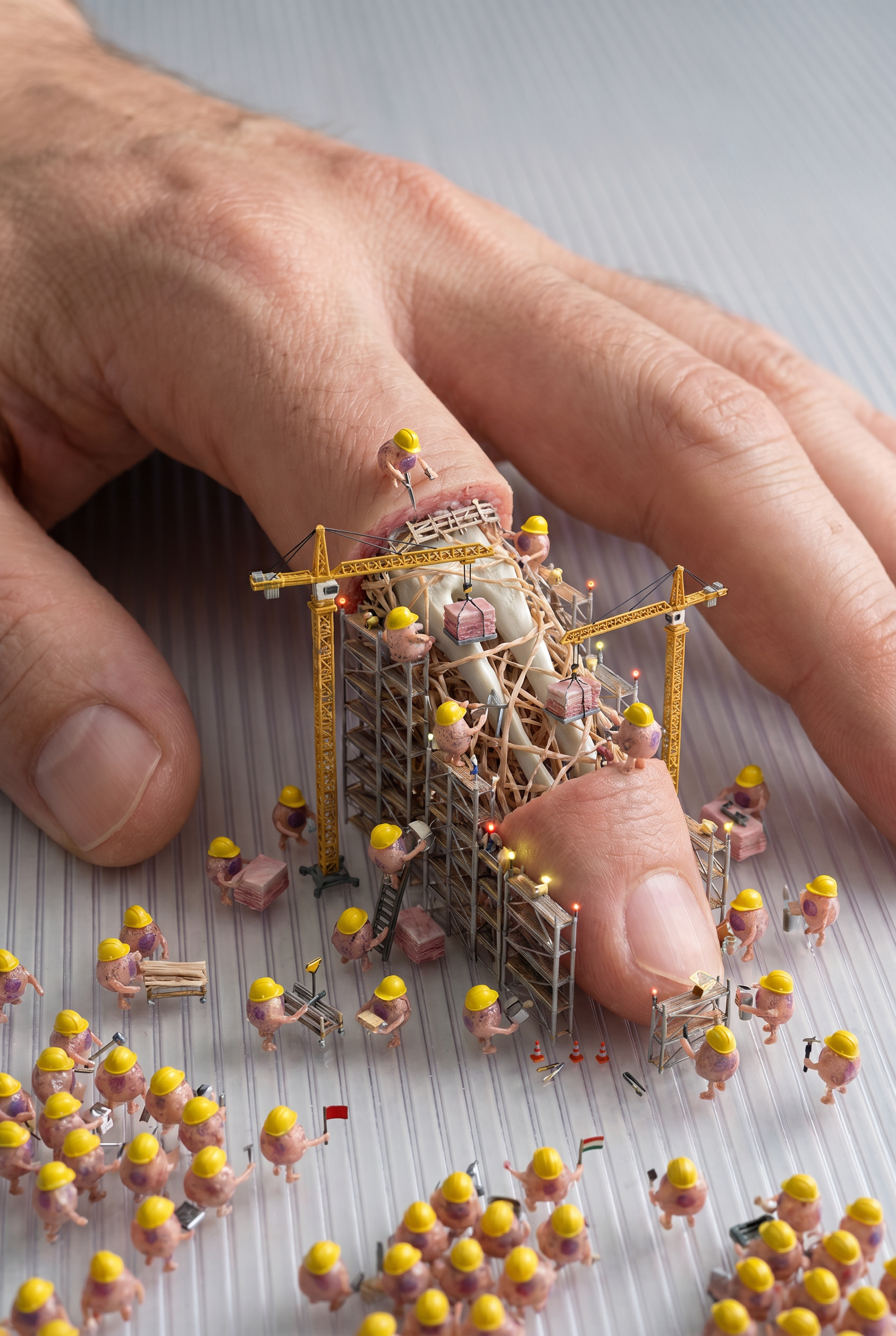
The catch is that this is a newborn mouse and a very small structure. Adult tissue is less plastic, larger injuries need vascular and nerve integration the study didn’t tackle, and the regenerative response weakens with age. Organs that have to keep working to keep you alive leave no window to regrow at all, so donor transplants aren’t going anywhere soon. BMP2 is already FDA-approved for bone grafting, though, so the nearer-term payoff may be steering human wounds away from scarring in fractures, cartilage damage, and osteoarthritis long before anyone regrows a finger.
For more from Thought Catalog, follow along on Facebook or visit our website anytime.