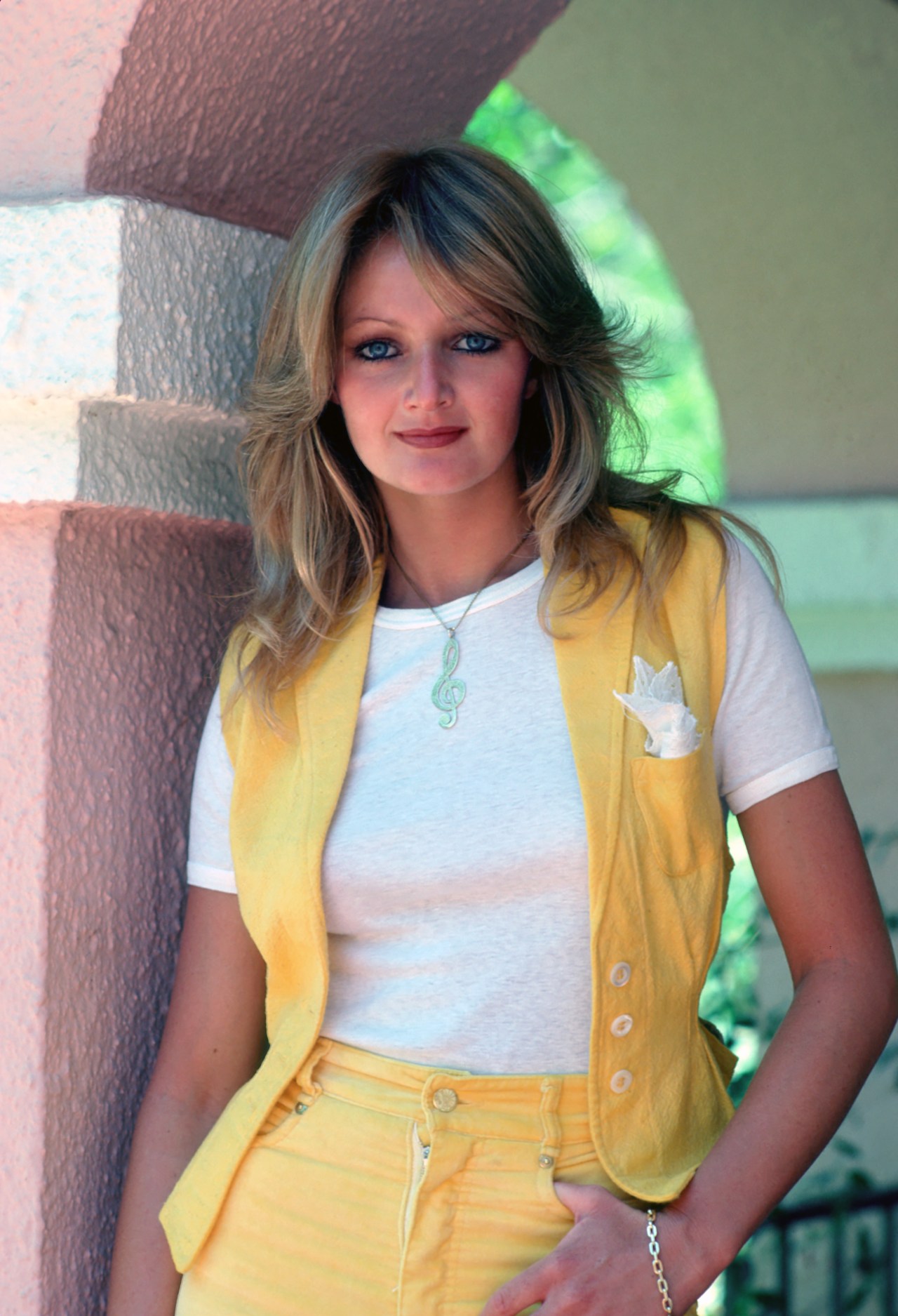
Bonnie Tyler, the Welsh Singer of “Total Eclipse Of The Heart” and “Holding Out For A Hero,” Has Died at 75

The rasp that made her famous came from an accident. After vocal cord surgery in 1977, doctors told her to rest her voice. But when she screamed in anger one day, her voice changed permanently, giving her the rough sound heard in her greatest hits.
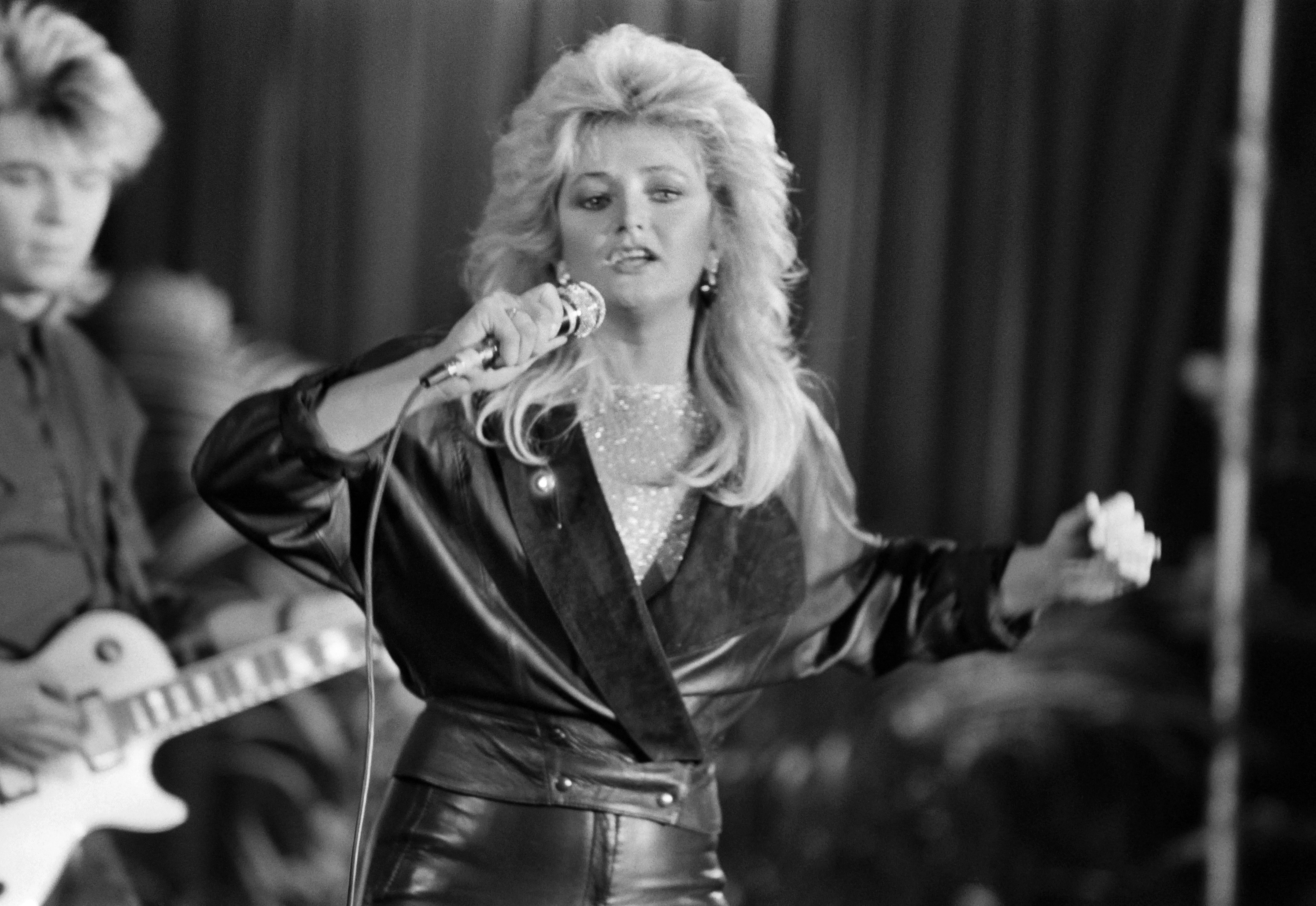
Tyler died Wednesday at a hospital near Faro, Portugal, where she’d lived for years, according to a post on her official Facebook account. The cause was the illness she’d been treated for. Back in May, the account said she’d undergone emergency intestinal surgery and was placed in an induced coma, and a representative later said she remained “very unwell and in intensive care.”

Jim Steinman wrote “Total Eclipse of the Heart” for an unfinished musical about the vampire Nosferatu, then earmarked it for Meat Loaf. When Meat Loaf lost his voice during recording, Steinman handed it to Tyler for her 1983 album “Faster Than the Speed of Night.” She knew the moment she heard it: “I knew this was the song I had been waiting for all my life.” It hit No. 1, and Meat Loaf later told her, “Dang. That song should have been mine!”
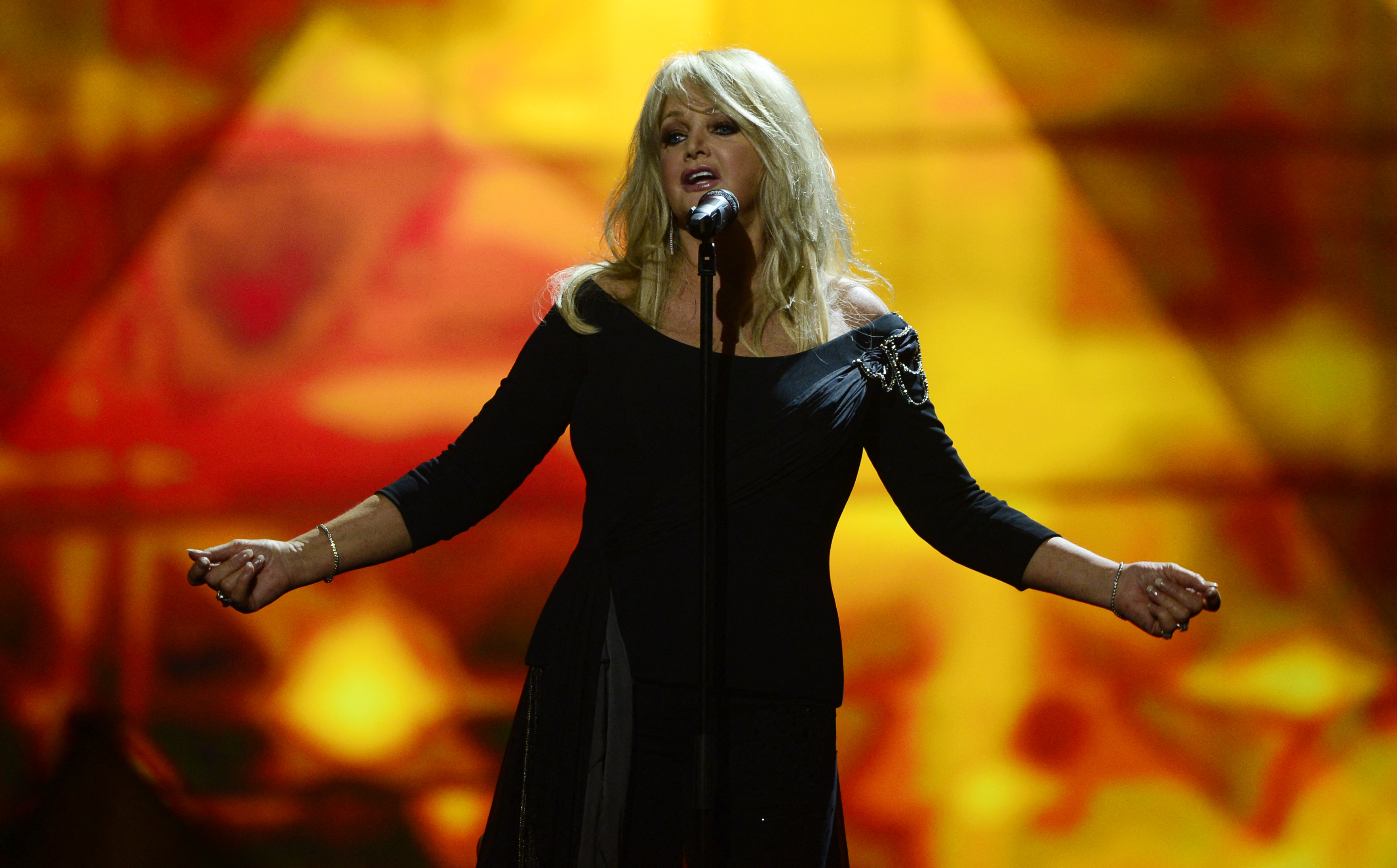
Born Gaynor Hopkins in Skewen, South Wales, she was the youngest of six children of a coal miner. She rode her voice from the Welsh pub-rock scene to worldwide hits including “It’s a Heartache,” “Lost in France,” and “Holding Out for a Hero” off the “Footloose” soundtrack.
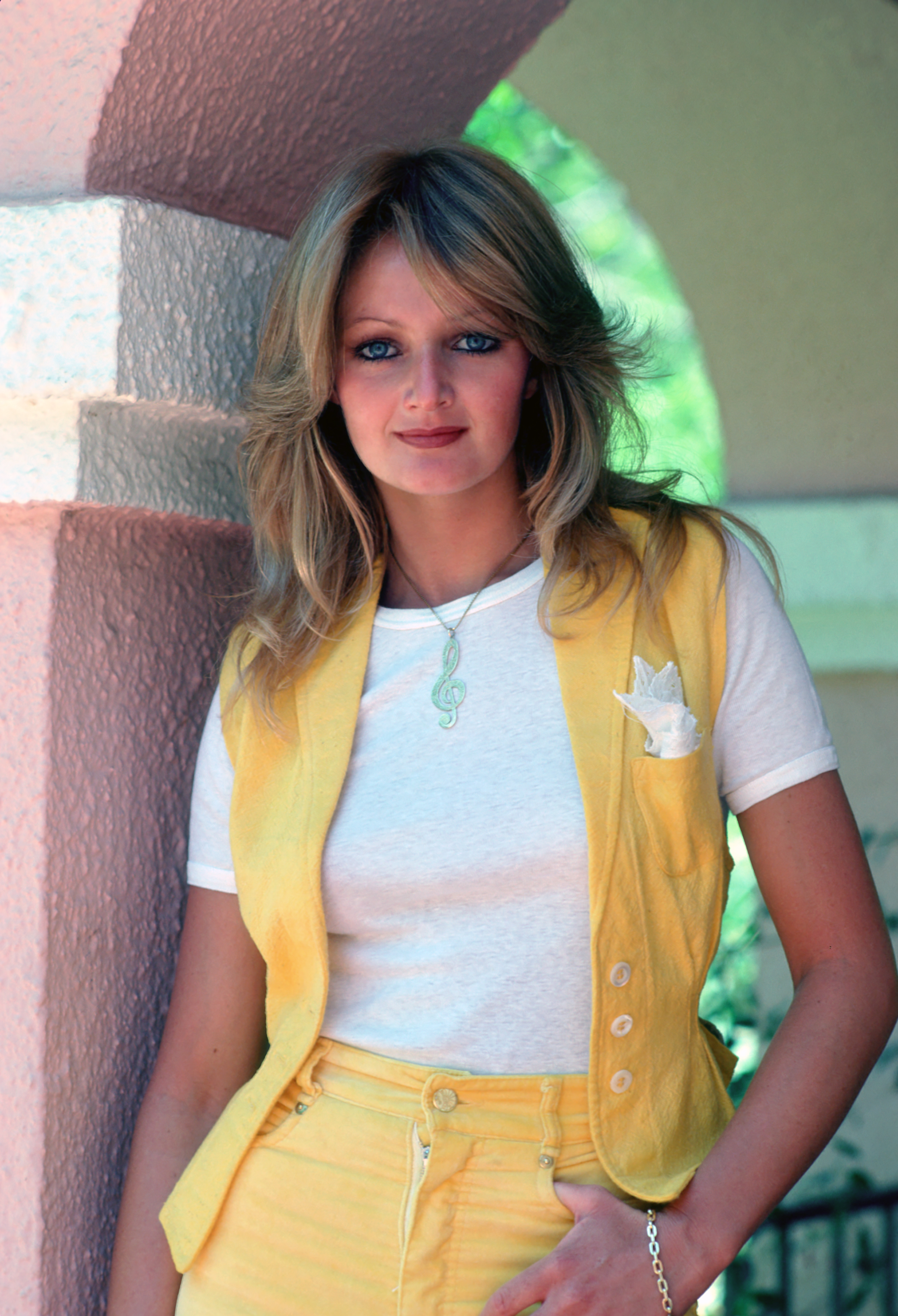
She represented Britain at Eurovision in 2013 and was made a Member of the Order of the British Empire in 2022 for services to music. She kept recording into her 70s, releasing her last album, “In Berlin,” in 2024.
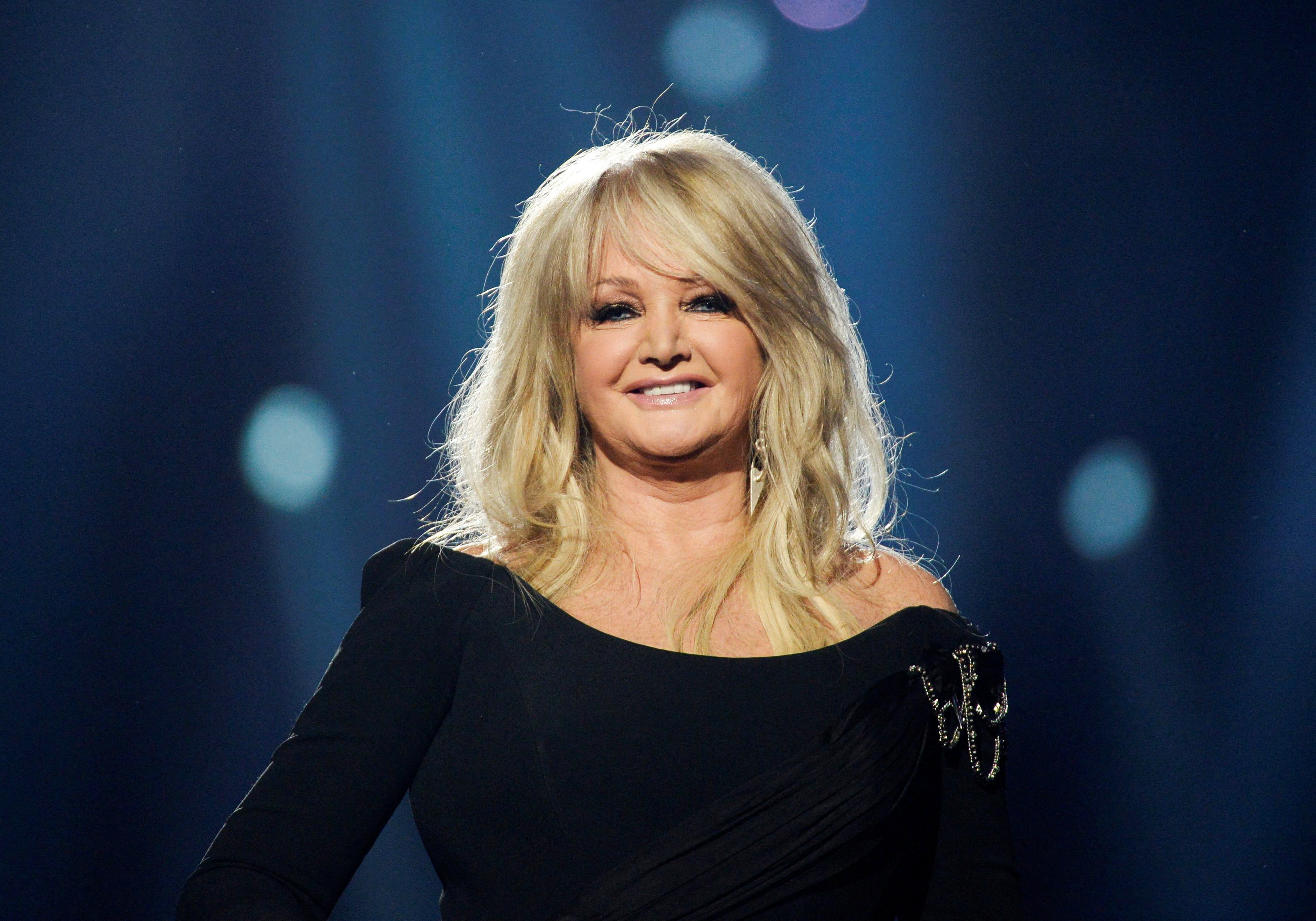
She married property developer Robert Sullivan in 1973 and they stayed together for the rest of her life. They didn’t have children, but she told the Guardian there was “no shortage of children in my life,” counting five godchildren, 16 nieces and nephews, and 12 great nieces and nephews.
Prime Minister Keir Starmer’s office called her “one of Britain’s greatest recording artists, an iconic figure,” saying her catalogue “continues to touch lives, flood dance floors, and fill karaoke booths.”
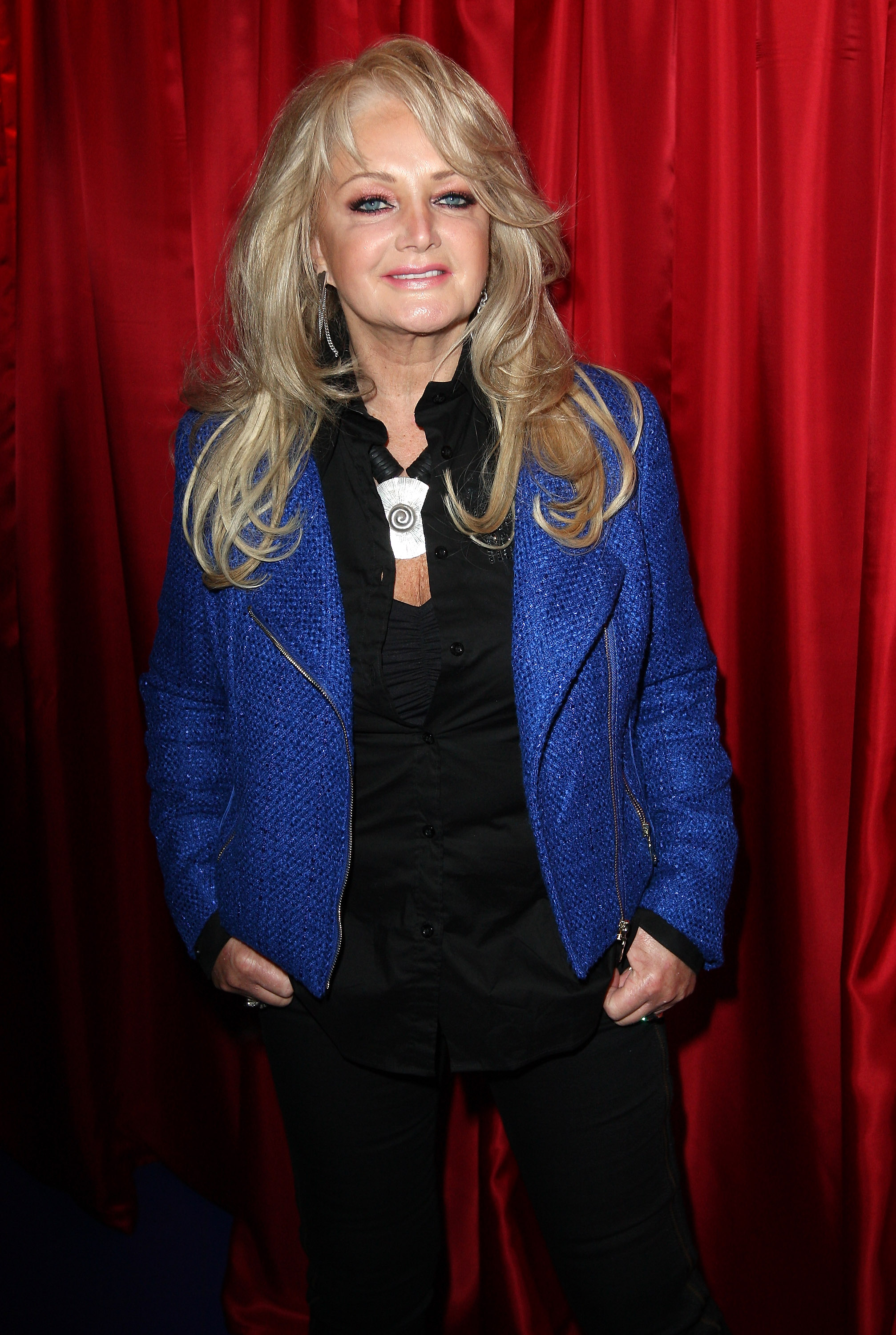
She never seemed to mind living in the shadow of her biggest hit. “How can you ever possibly imagine it would still be so big today,” she said last year, “and people who weren’t even born then would be singing it at karaoke?”
For more from Thought Catalog, follow along on Facebook or visit our website anytime.