Costa Rica Used to Be Central America’s Safe Haven. Now It’s Extraditing Its Top Drug Lords to the US and Its Murder Rate Is Soaring
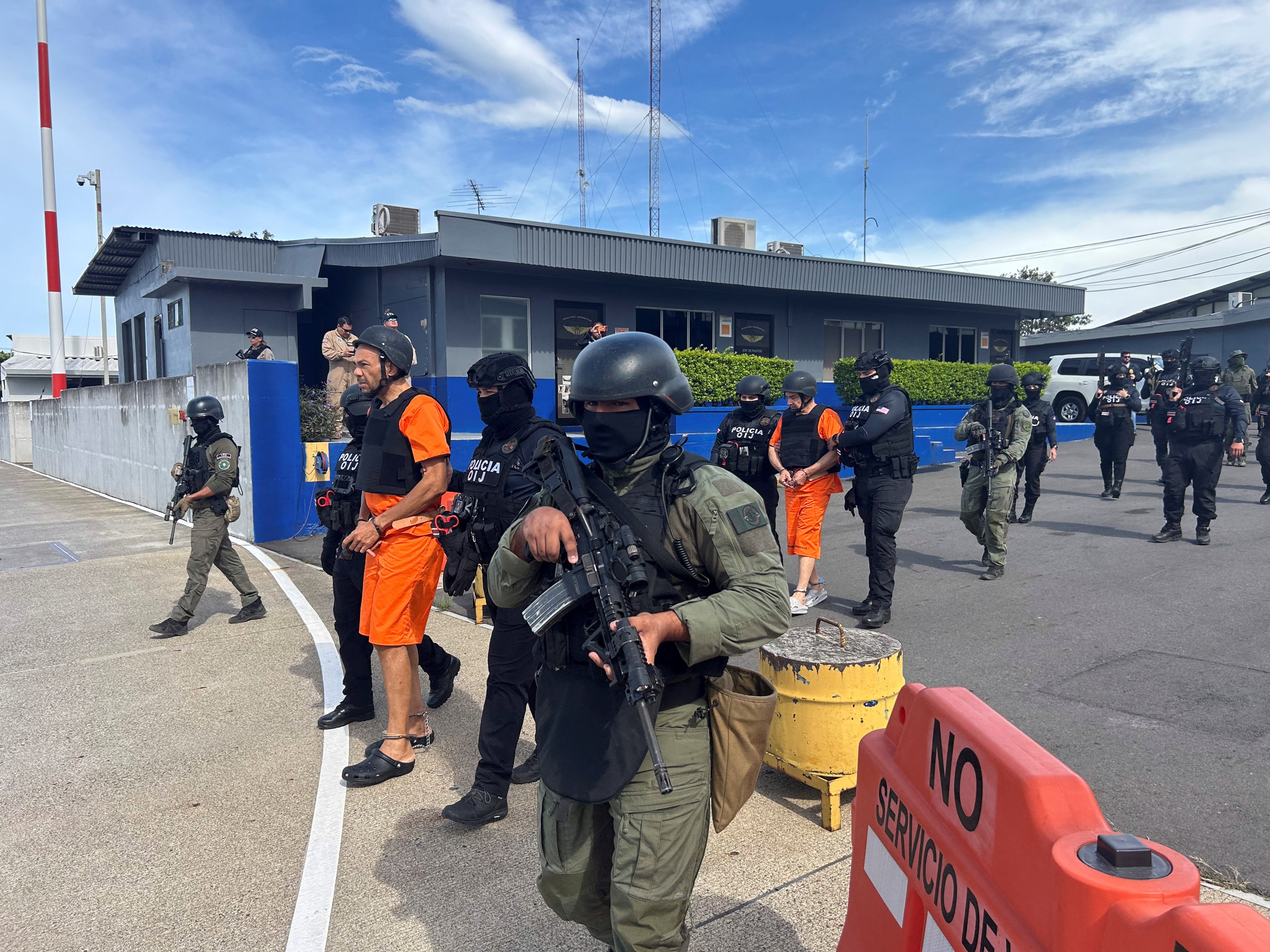
Costa Rica spent decades as Central America’s outlier, a stable, tourist-friendly democracy without an army, ringed by white-sand beaches. Now it is shipping its top drug lords to US courtrooms and watching its murder rate climb to records, as the cocaine trade that turned it into a transshipment hub tears at the country from the inside.
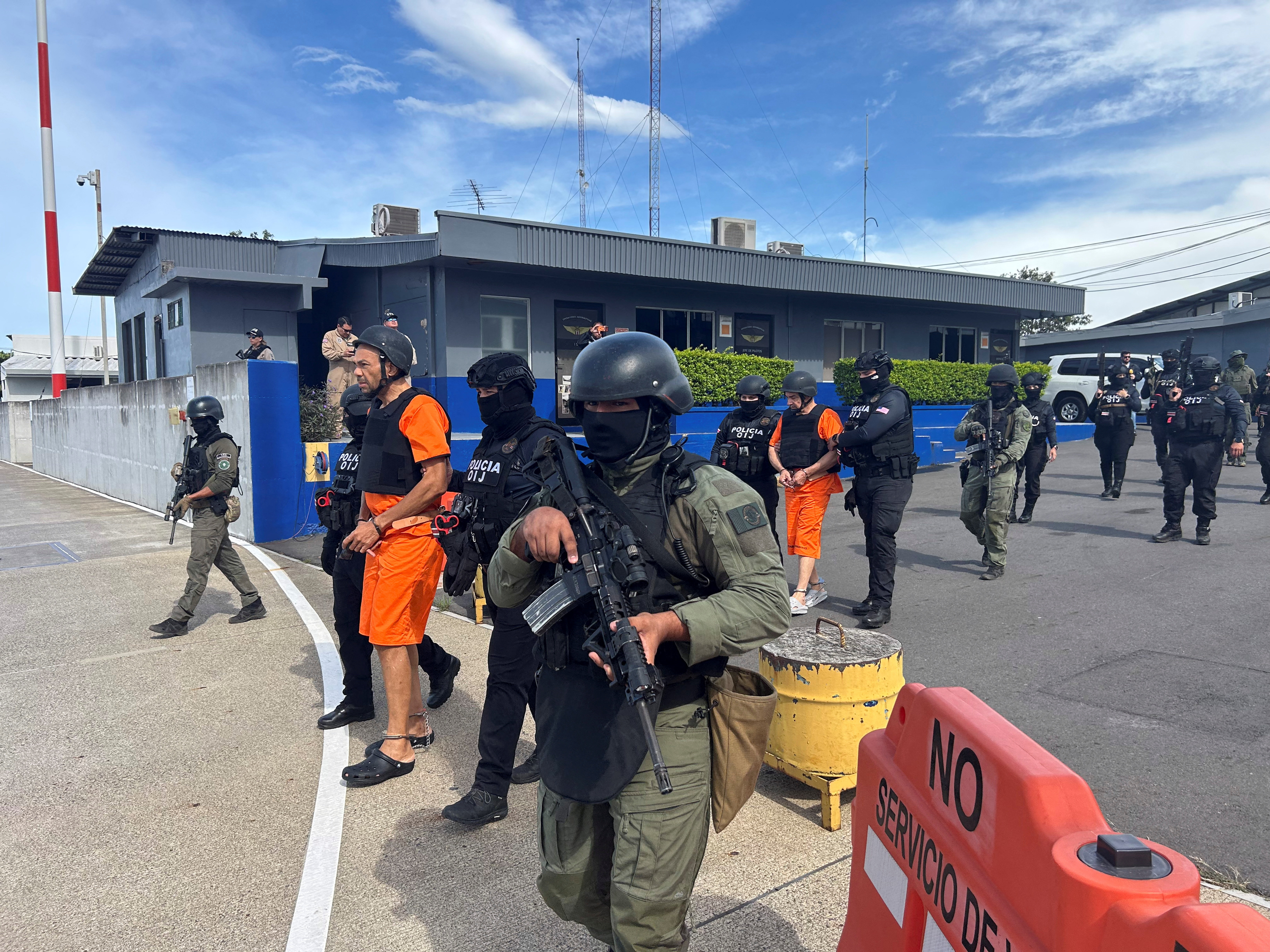
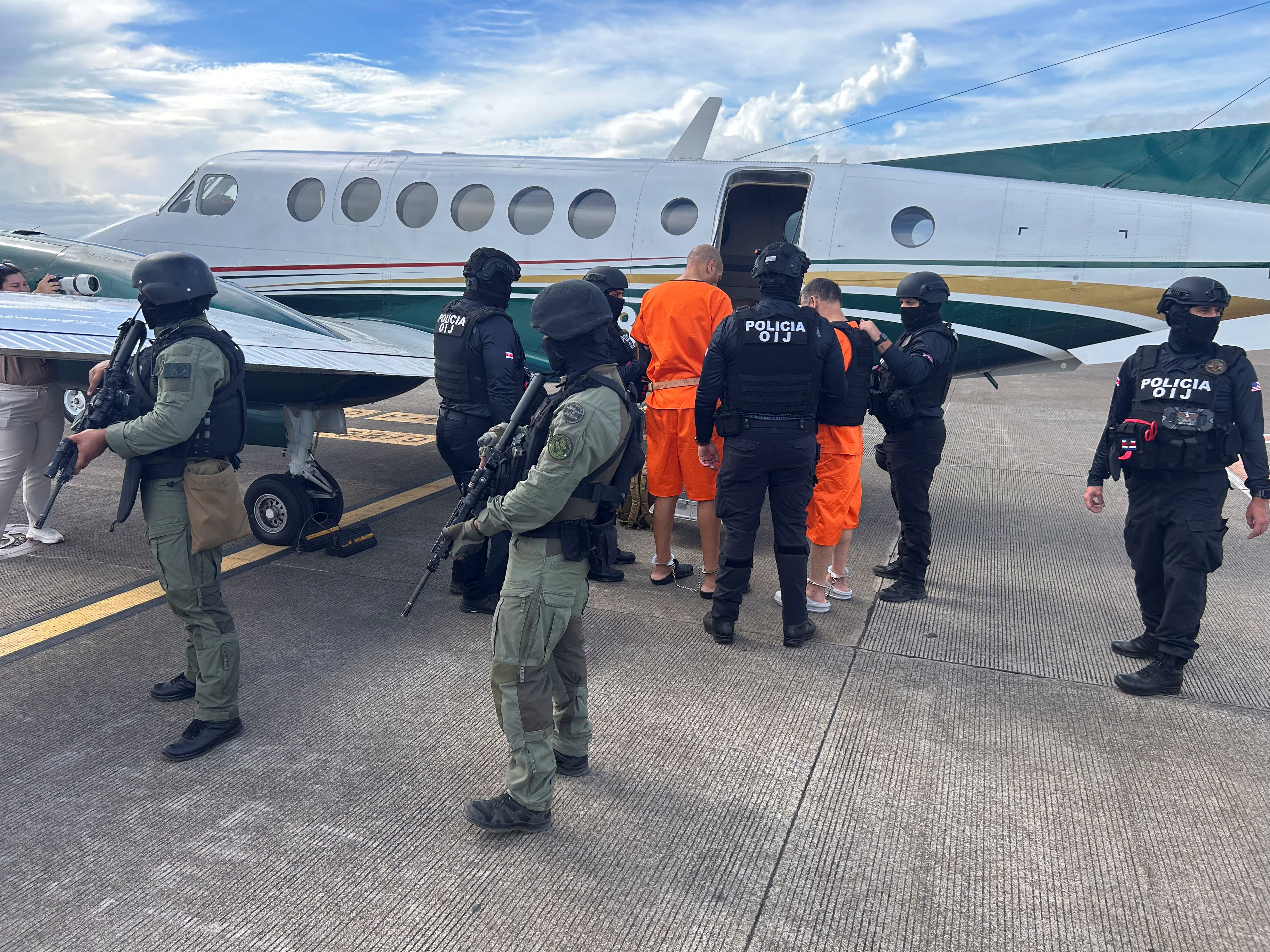
Two accused traffickers just left for a New York courtroom, and one of them thanked the US on the way out. “They are saving my life,” he said, claiming he’d been mistreated behind bars.
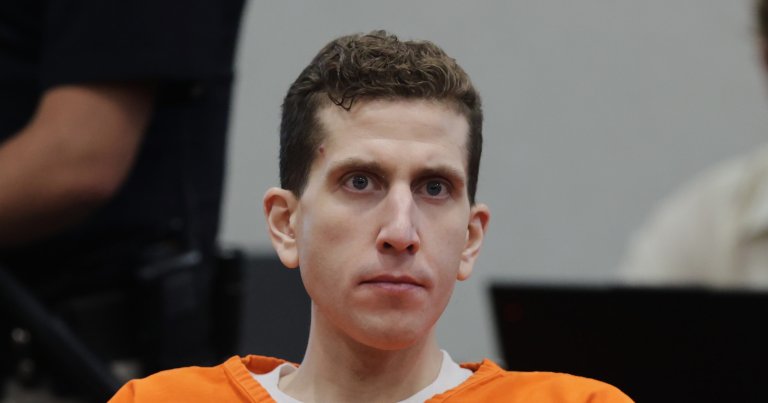
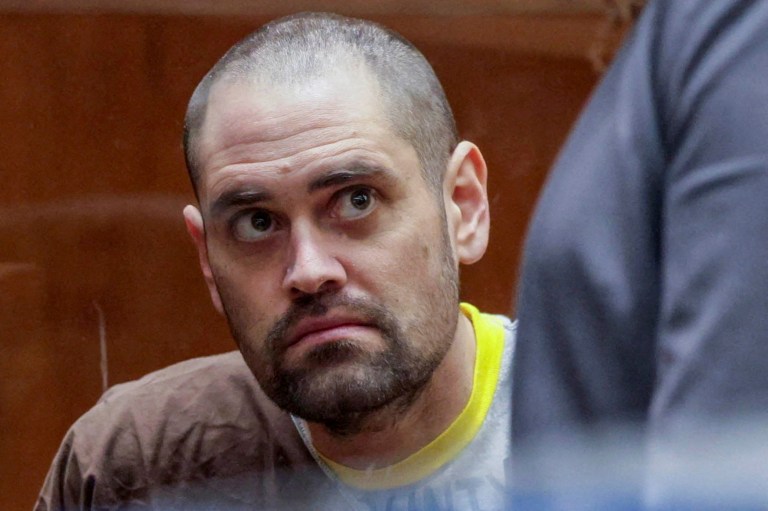
Gilbert Bell Fernandez, a 63-year-old Costa Rican businessman known as “Macho Coca,” was flown to New York on Thursday alongside Colombian cartel member Gabriel Lozano Bonilla, alias “Compadre,” to stand trial in federal court.
The US Treasury Department calls Bell Fernandez one of the biggest drug traffickers in the country, “known not only for the volume of drugs he moves but the violence with which he operates,” and put him on its sanctions list in 2023, the first Costa Rican trafficker to land there. The DEA links both men to Colombia’s Gulf Clan (Clan del Golfo / AGC), which Washington has labeled a Foreign Terrorist Organization. Lozano Bonilla, a naturalized Costa Rican, is also tied to shipments of liquid cocaine to Europe and Asia.
Both were taken to the airport wearing bulletproof vests and helmets under heavy security, according to local media.
Costa Rica, a nation of 5.2 million known for its white-sand beaches, spent years as an oasis of stability in Central America. It’s since become a logistics hub in the regional drug trade: Pacific mangroves and remote beaches on the way in, the Moín container terminal on the Caribbean coast on the way out, with cocaine tucked into produce shipments bound for Europe and the US. Around 2020, some US assessments ranked it the world’s leading transshipment point for cocaine to those markets.
The turf wars that came with it pushed homicides to a record 907 in 2023, roughly 17.3 per 100,000, with authorities attributing 70 to 80% of murders to drug disputes.
Last month the country captured its most-wanted fugitive, Alejandro Arias Monge, alias “Diablo,” in an hour-long shootout in Sarapiqui that killed one of his men and wounded several officers. He carried a $500,000 US bounty and is linked by Costa Rican authorities to roughly 360 homicides, moving hundred-kilo cocaine loads from Colombia through Costa Rica, Honduras, Guatemala, and Mexico into the United States, and using social media to broadcast threats and killings. His network was supplied in part by the South Caribbean Cartel, a homegrown organization run by the Picado Grijalba brothers “Shock” and “Noni” that also forged alliances with Macho Coca and Edwin Lopez Vega, alias “Pecho de Rata.”
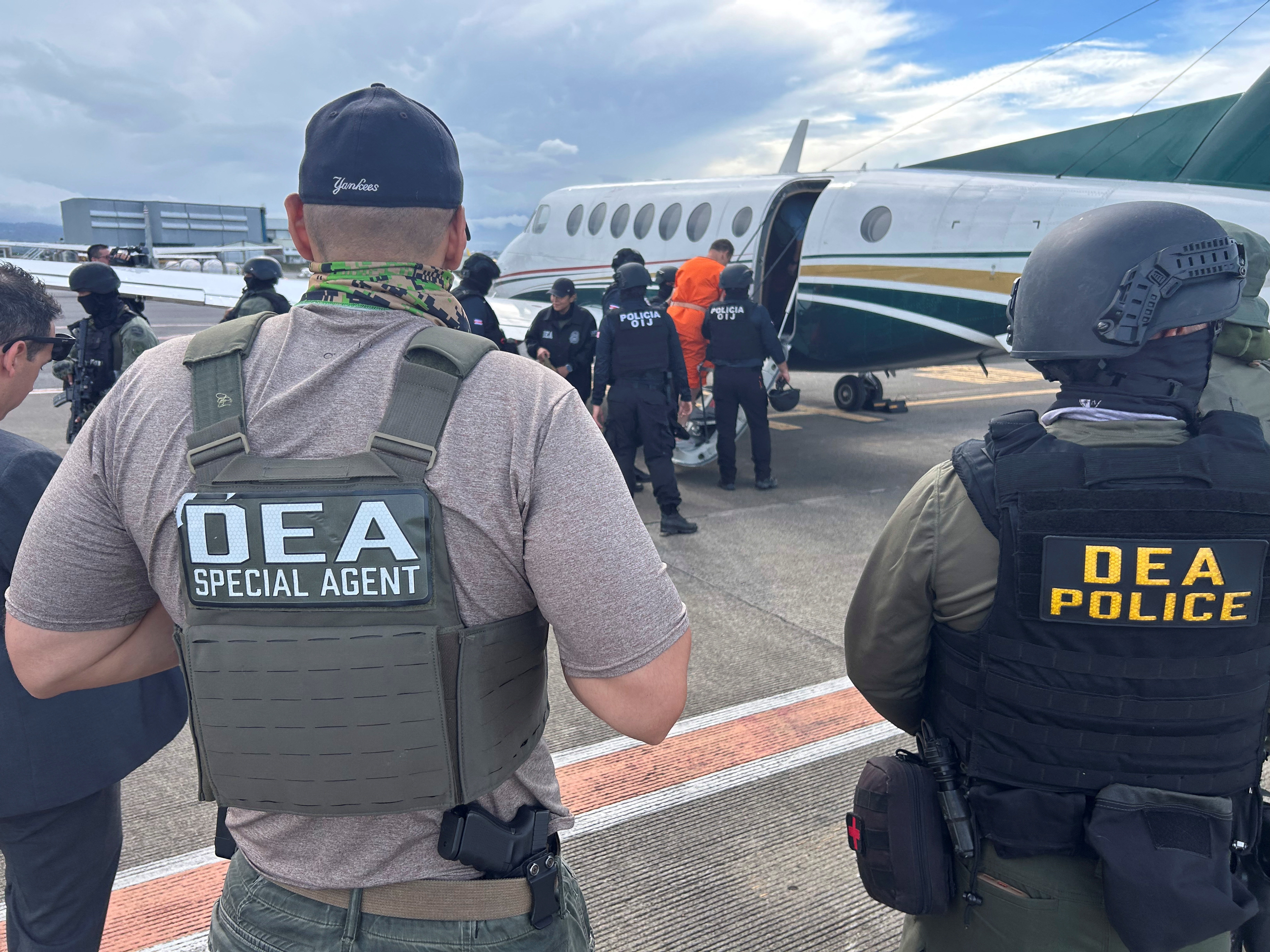
The handovers only became possible after a 2025 constitutional reform. Since then Costa Rica has sent Lopez Vega and former security minister and Supreme Court magistrate Celso Gamboa, indicted by the US on July 9, 2025 for cocaine trafficking, to Texas. Prosecutors allege Gamboa facilitated Gulf Clan shipments and sold sensitive information, including to Diablo, in exchange for large cuts.
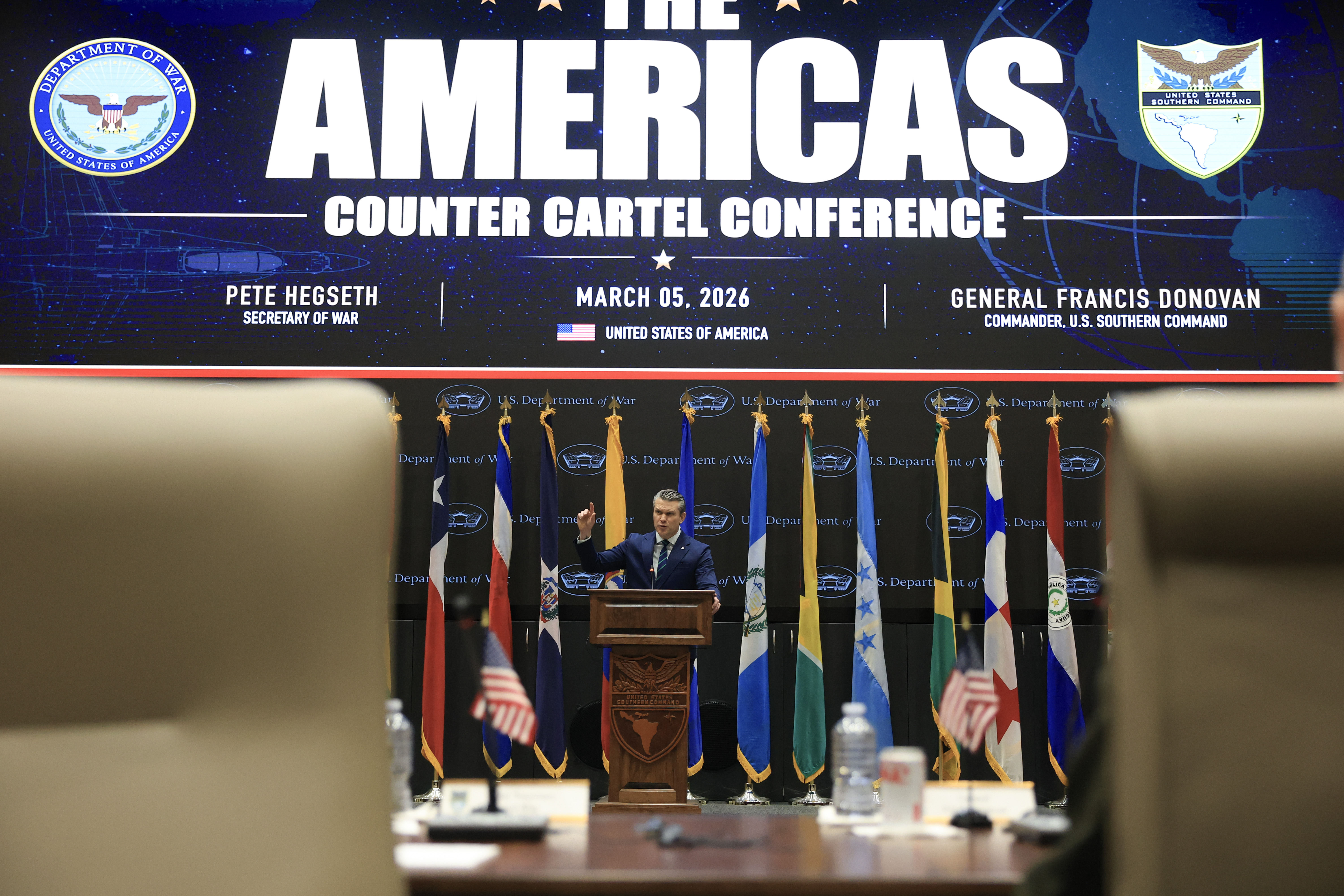
President Laura Fernandez, a Trump ally inaugurated in May, pledged a “firm hand” against organized crime, vowing her “hand will not tremble,” and has floated a Bukele-style mega-prison to hold what’s left of the networks.
Thank you for reading Thought Catalog. Keep up with us on Facebook, or dive into more on our website.