Total Solar Eclipses Have Long Been Read as Omens of Doom, Here’s Why This One Revived Those Predictions
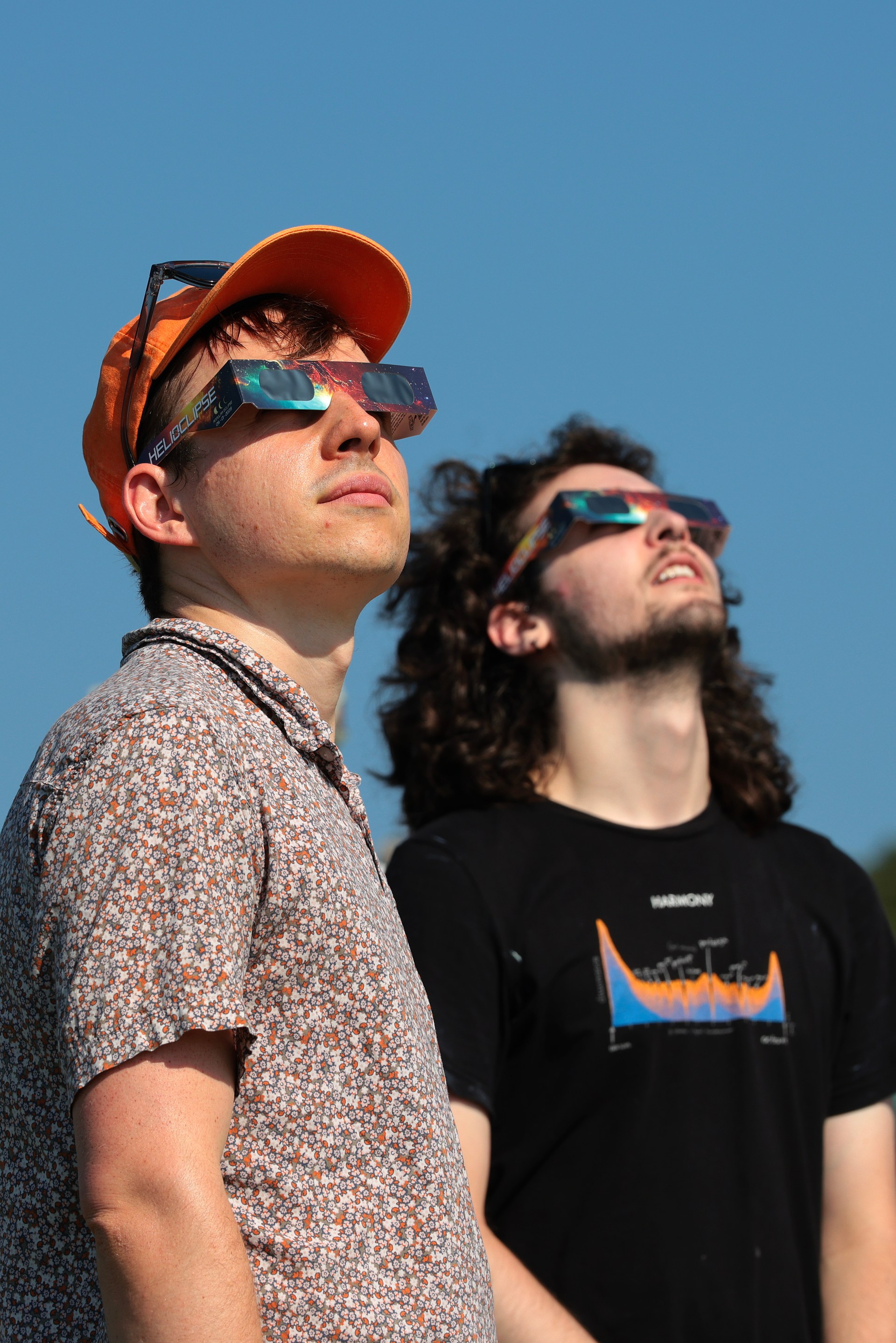
Photo Chip Somodevilla / Getty Images News via Getty Images
For up to 6 million people in Spain and 80,000 in Iceland, this was a once-in-a-lifetime shot. Some drove seven hours or slept in the mountains just to stand in the moon’s shadow for a little over two minutes.
Totality reached Iceland’s westernmost coast at 5:44 p.m. local time and held for up to 2 minutes and 13 seconds in the far west before the shadow raced east. Spain drew the bigger crowds, with officials expecting as many as 6 million visitors across the rural north and the Balearic Islands.
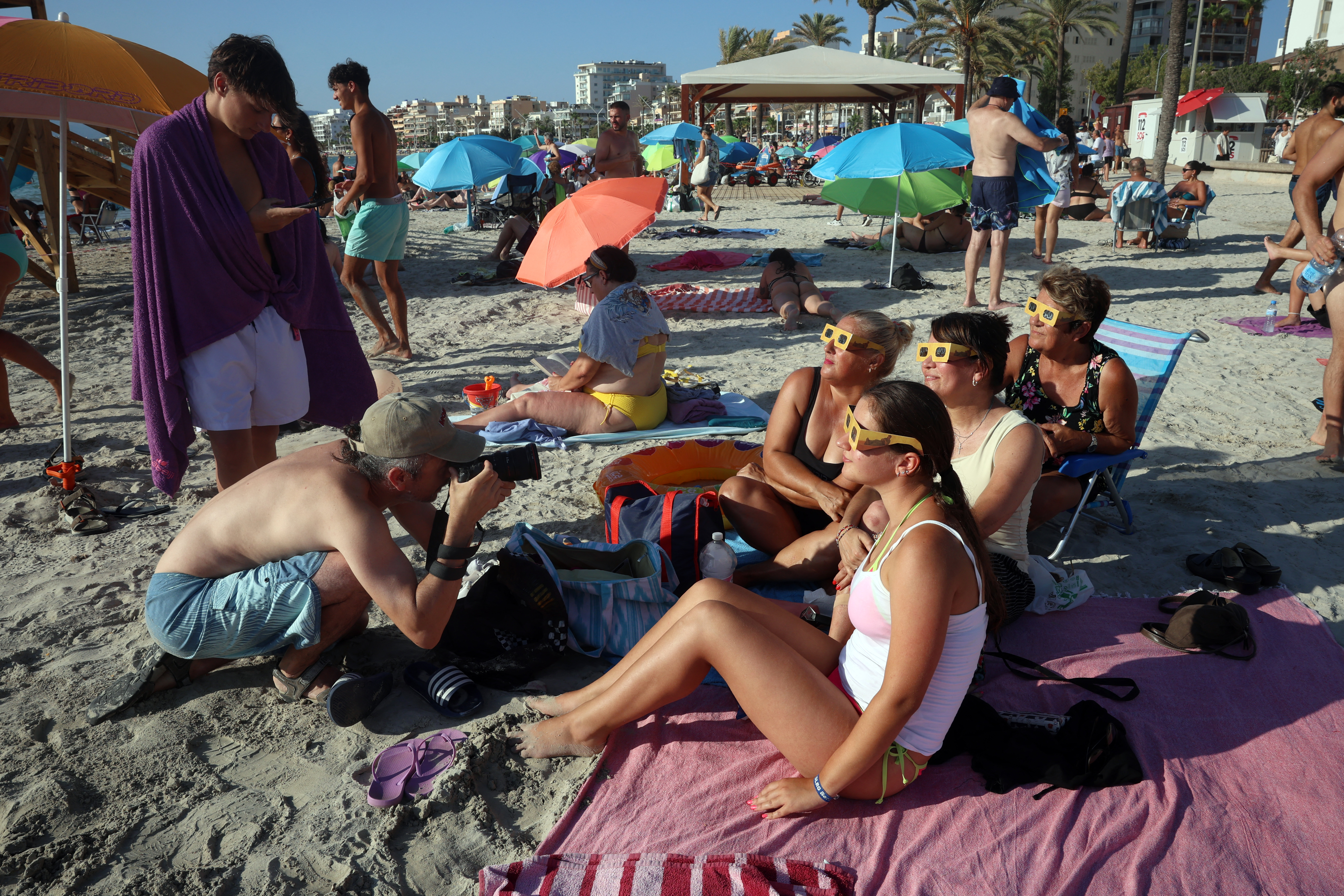
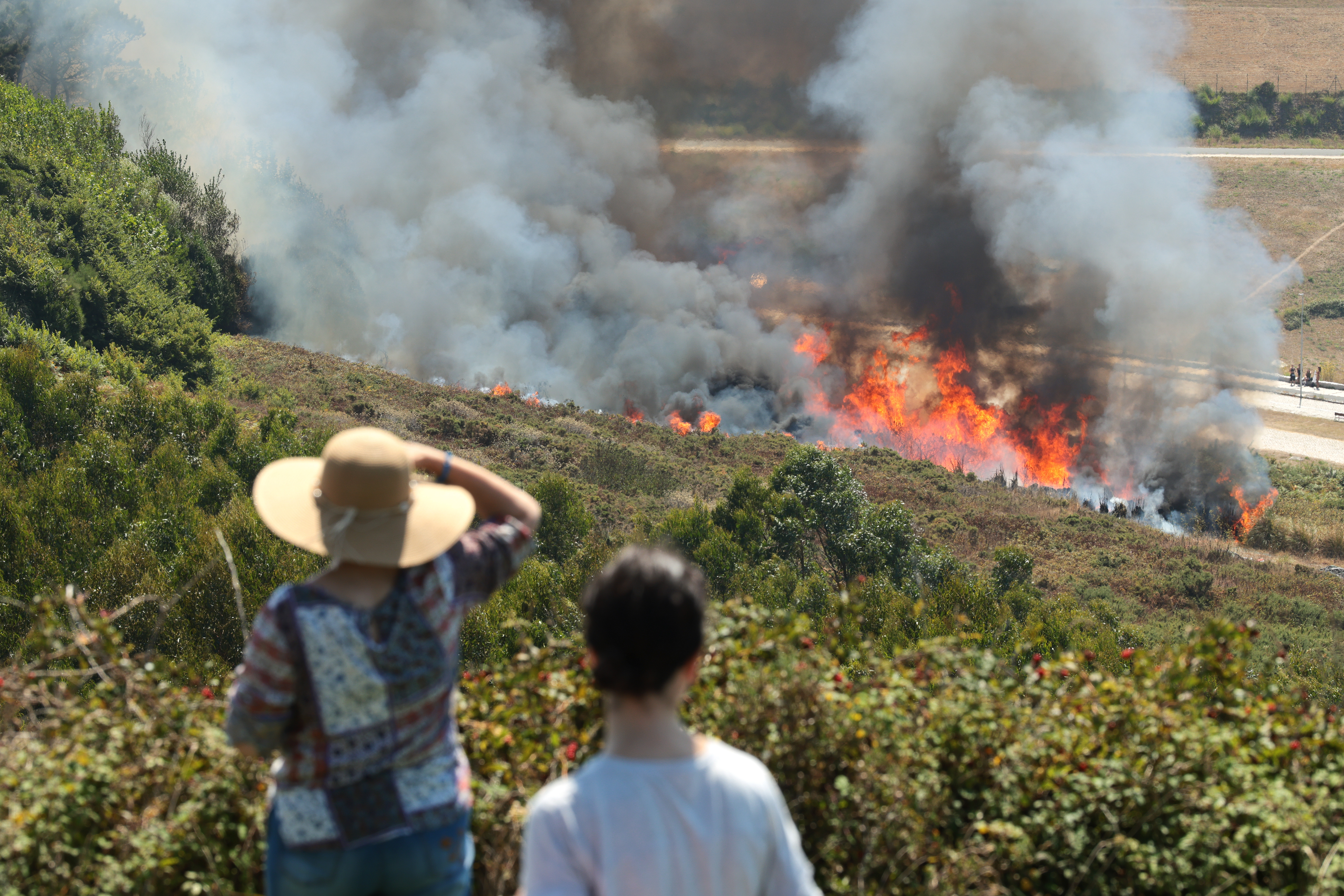
Spain met the spectacle with a heavy safety push, assigning 25,000 police officers and deploying nearly 100 planes and helicopters as a heatwave pushed the wildfire risk to extreme. Interior Minister Fernando Grande-Marlaska urged people to stick to the hundreds of official observation points.
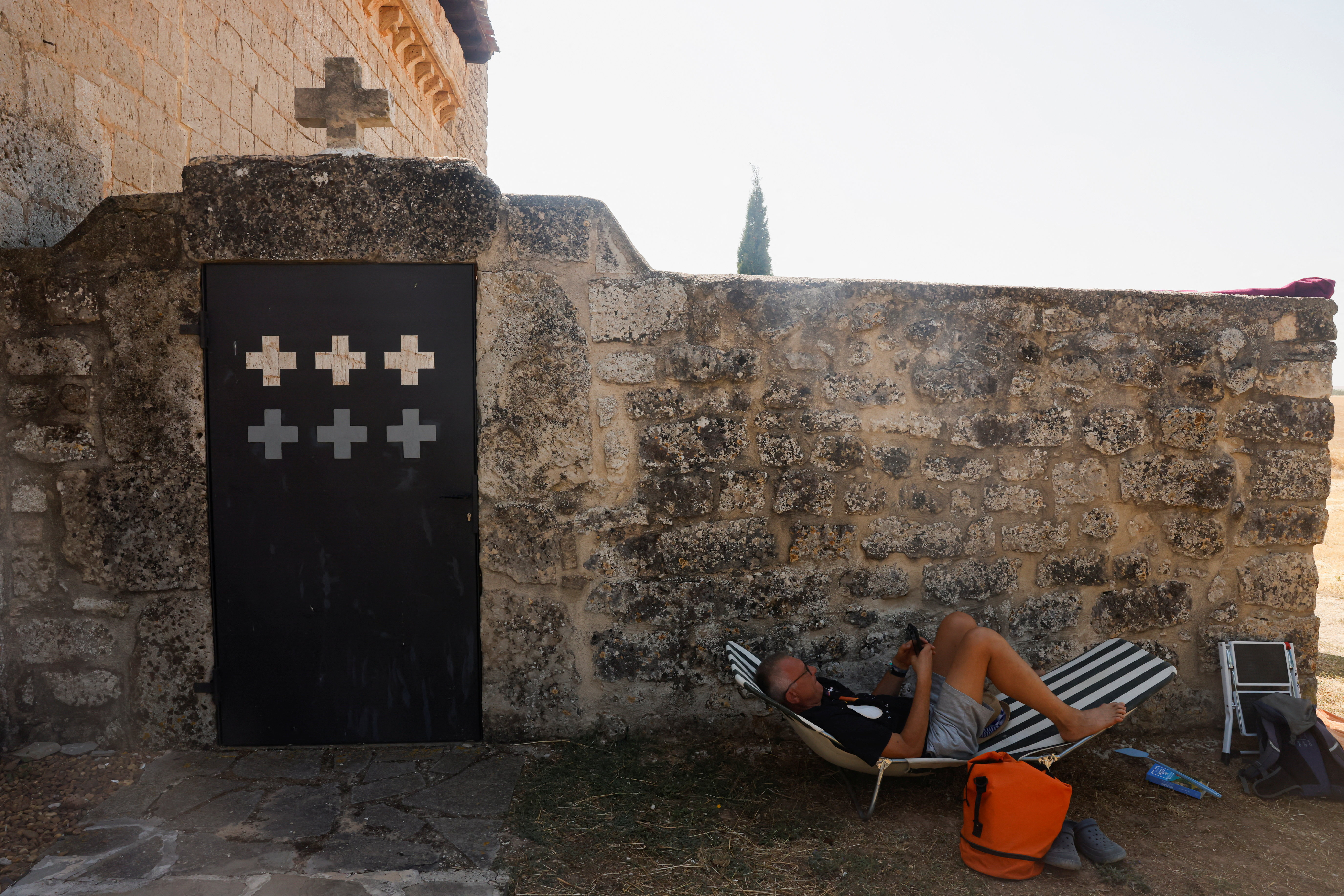
The travelers came from everywhere. Lola Guerreiro made a seven-hour drive from Extremadura and spent the night in the mountains near Arco de las Salinas. Sergio, a 60-year-old Italian, brought his family by camping van to Arija, saying he knew he’d never get another chance to see it.
In Reykjavik, eclipse glasses had been sold out for days, and singer Björk was set to play a DJ set at an eclipse-themed event south of the capital. NASA planned to chase the shadow with a high-altitude WB-57 aircraft and to launch balloons measuring how the sudden darkness cools the lower atmosphere.
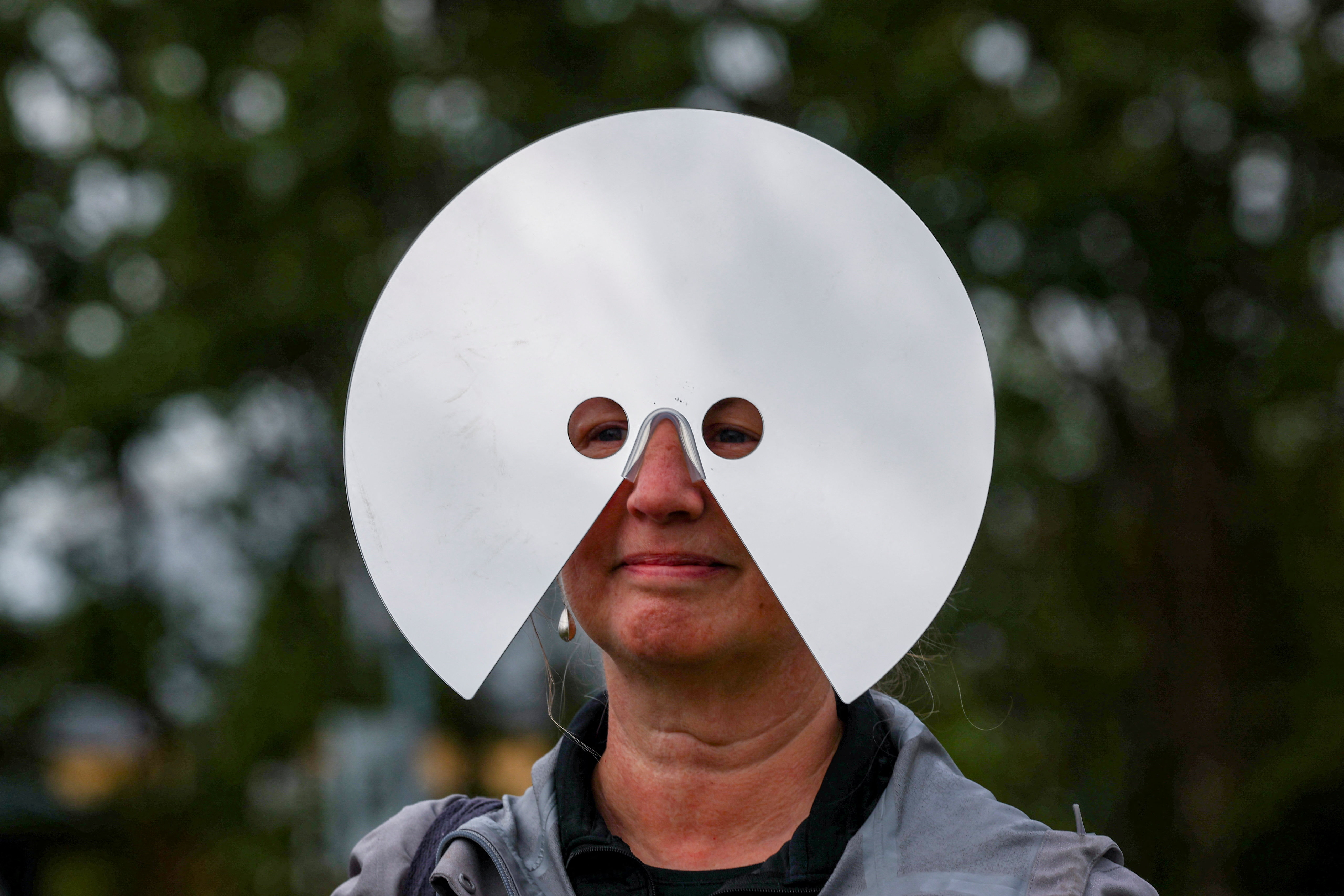
For Spain, this was the first of three. After a gap dating to 1912, the Iberian Peninsula gets another total eclipse on August 2, 2027, and an annular one in January 2028 — completing what’s been called the “Iberian Eclipse Trio.”
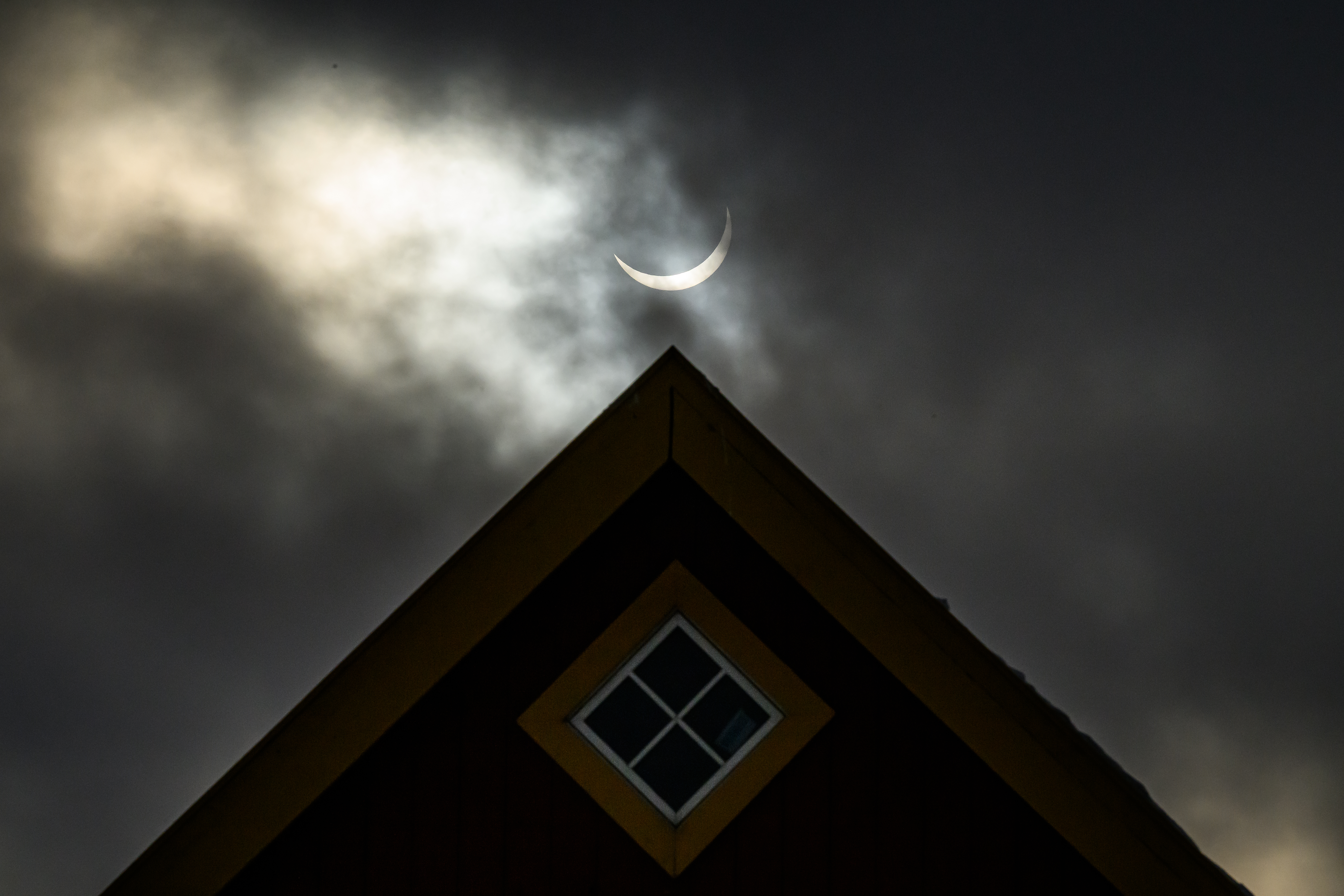
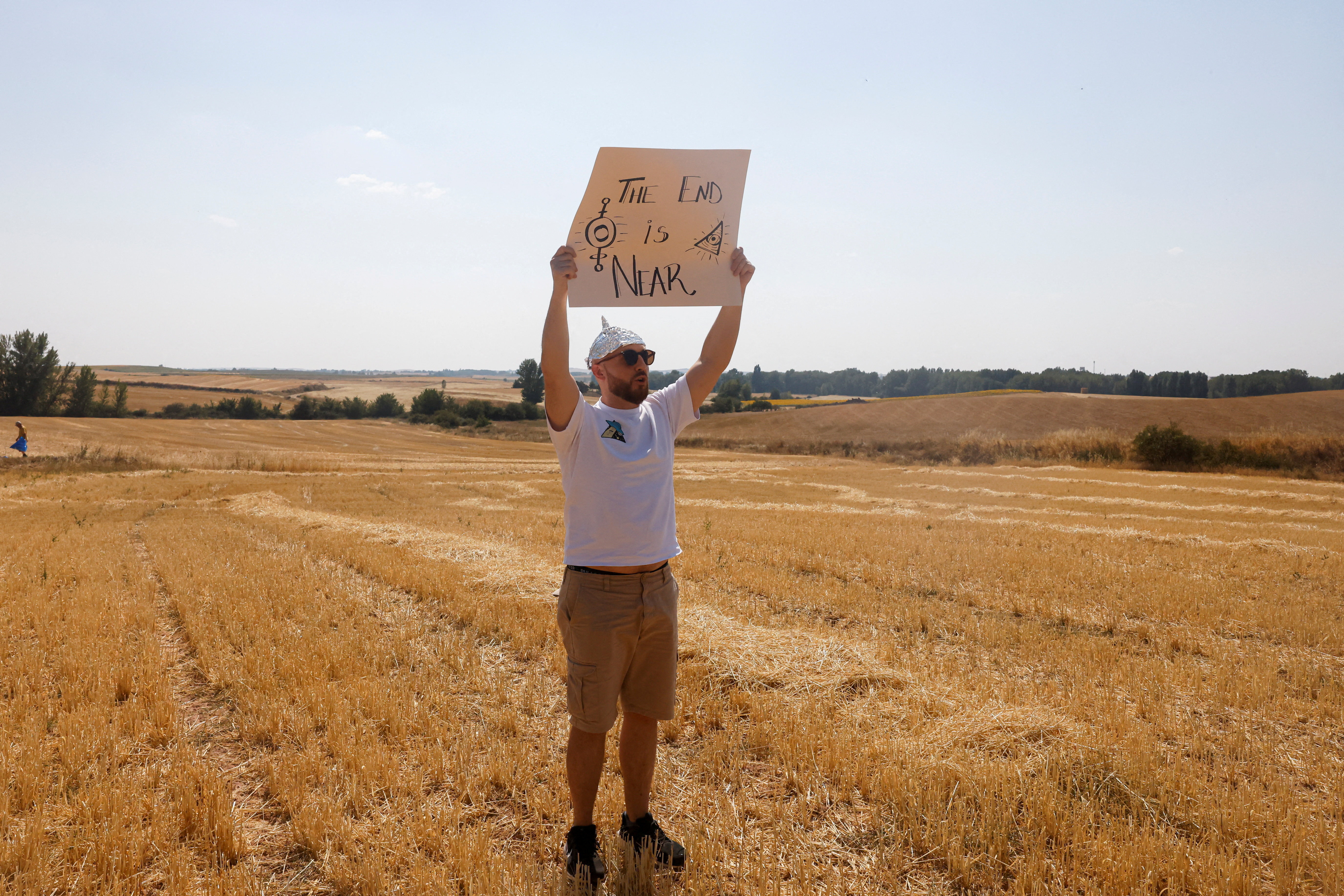
Not everyone treated it as pure wonder. Total solar eclipses have been read as omens of doom for thousands of years: gods or demons swallowing the sun, kings dying, the cosmos turning against humanity. This one revived those readings harder than most modern eclipses — less for the astronomy than for that rare trio, a cluster of other sky events the same day, and how easily old prophecies map onto a dramatic European path of totality.
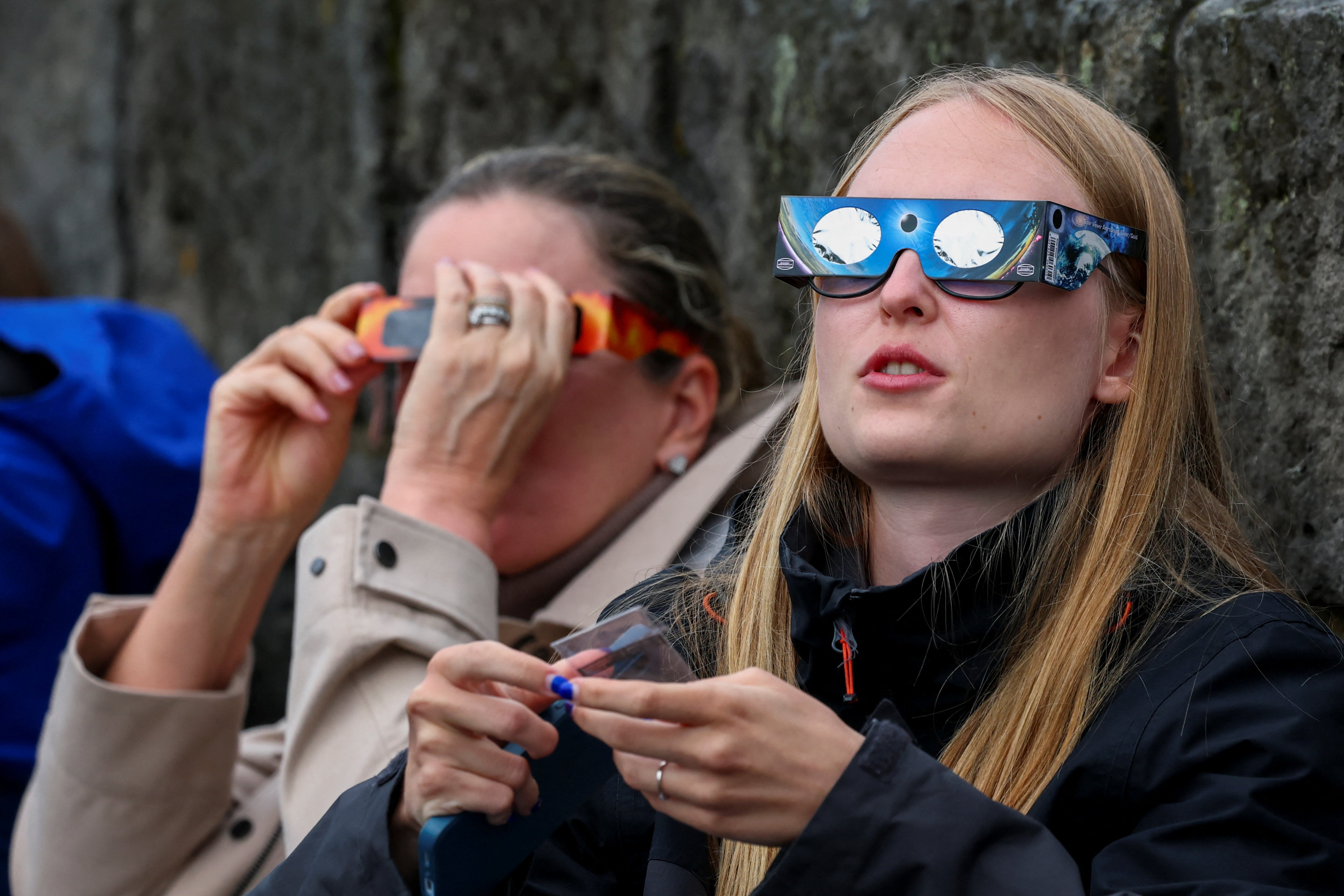
The biggest was the Nostradamus countdown. Interpreters claimed the seer — or a “lost manuscript” attributed to him — pointed to a run of eclipses over Spain as the start of an apocalyptic cycle, casting the 2026 total as the first of a sequence through 2027 and 2028. Followers tied it to an eclipse around the year 666 and to verses about a “monster” appearing in the middle of the day, one reading linking Sextilla 46 to conflict rising from North Africa into southern Europe. Astronomers point out that the trio is real but purely orbital geometry, and the prophecy is vague quatrains read selectively after the fact.
The most viral pure conspiracy was “Project Anchor.” A supposed leaked NASA document claimed Earth would lose gravity for exactly seven seconds on August 12, blamed on intersecting gravitational waves from colliding black holes, with predictions running to some 40 million deaths from falls and a decade of economic chaos.
NASA rejected it flatly: gravity depends on mass, an eclipse produces only tiny, well-understood tidal effects, and no such document exists. The whole thing appears to trace back to a single Instagram post in late 2025.
Religious traditions loaded the date too. In Talmudic tradition a solar eclipse is a bad omen for the nations of the world, likened to a king who suddenly snuffs the lantern at a feast.
Christian prophetic circles pointed to Luke 21, Joel, and Revelation’s darkened sun, some folding in the same-day Perseids peak and a pre-dawn alignment of Mercury, Mars, Jupiter, Saturn, Uranus, and Neptune as a “trinity of cosmic events.” Others tied it to recent earthquakes or America’s 250th-anniversary numerology. Fringier still were claims of spiritual “portals” opening in the dark and suggestions that the free eclipse glasses and heavy Spanish security were social-engineering tools.
For all that, it read as one more “birth pang” in a very old story, a cultural shadow lingering even as millions stood under the real one.
Thanks for spending time with Thought Catalog. Connect with us on Facebook and browse the rest of our website.