Does Anyone Else Find Brad Pitt’s Sob Story Media Tour Kinda… Sus?


Brad Pitt would like us to know that he has suffered.
In a series of increasingly personal interviews, the 62-year-old actor has opened up about his struggles with alcohol, his mental health, his divorce from Angelina Jolie and the darkest period of his life. In his latest interview with Esquire, Pitt discussed experiencing suicidal thoughts during his divorce and revealed that, after seven years of sobriety, he has started drinking again in moderation.
It’s an emotional story. It’s also a remarkably familiar one: Brad Pitt as the flawed but fundamentally sympathetic man who hit rock bottom, confronted his demons and emerged on the other side.
But there’s a problem with that narrative.
The story keeps centering Brad Pitt.
Lost beneath all the discussion of his suffering is the fact that the collapse of his marriage wasn’t simply a sad Hollywood divorce. Angelina Jolie has alleged that Pitt physically and verbally abused her and their children, including during the infamous 2016 private-plane incident that preceded their separation. In later court filings, Jolie’s lawyers alleged that the physical abuse had begun before that flight. Pitt has denied the allegations. The FBI and Los Angeles County Department of Children and Family Services investigated but did not pursue charges against Pitt.
Given those details, it’s kind of interesting that the public conversations keeps drifting back toward how difficult all of this was for Brad.
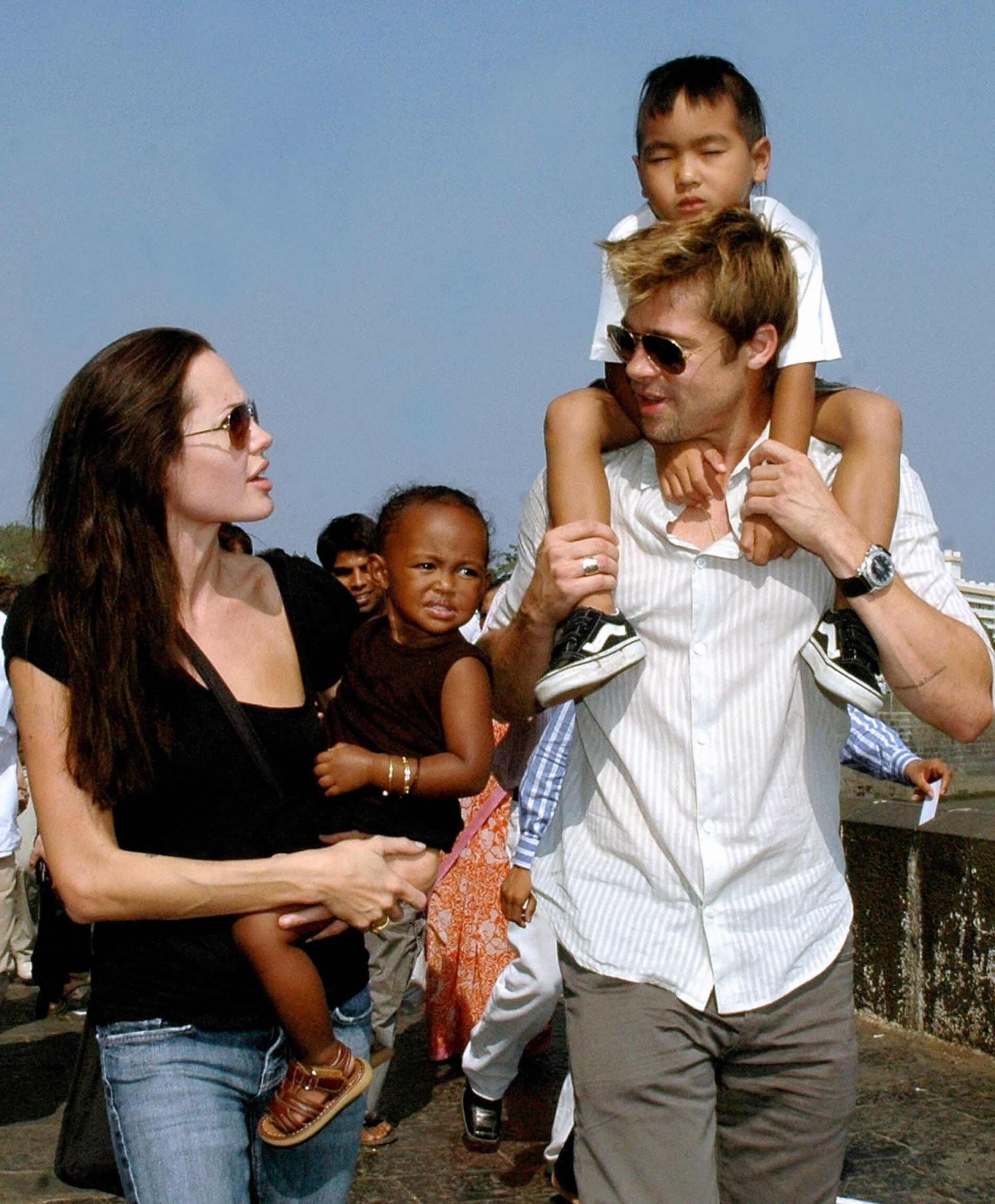
He was struggling. He was drinking. He was depressed. He was going through a brutal divorce. He found sobriety. He worked on himself. He credits people who helped him. He has talked about hitting rock bottom and rebuilding his life.
All of that can be true.
But so can the fact that his children were living through the same family collapse—and they didn’t get to choose the narrative.

The clearest indication of how the children feel may not come from a carefully curated interview at all. It may come from what they have actually done.
Over the past several years, multiple Jolie-Pitt children have stopped using their father’s surname. Shiloh legally changed her name to Shiloh Nouvel Jolie in 2024, and Zahara and Vivienne have also publicly used “Jolie” rather than “Jolie-Pitt.” In 2026, Maddox filed paperwork seeking to legally change his name to Maddox Chivan Jolie, while reporting has indicated that the other children have likewise moved away from using “Pitt.”

That is not a public-relations strategy orchestrated by Hollywood.
Those are individual decisions made by his children.
And while it is impossible to know exactly what happens inside a family, it’s difficult to ignore what those choices appear to communicate.
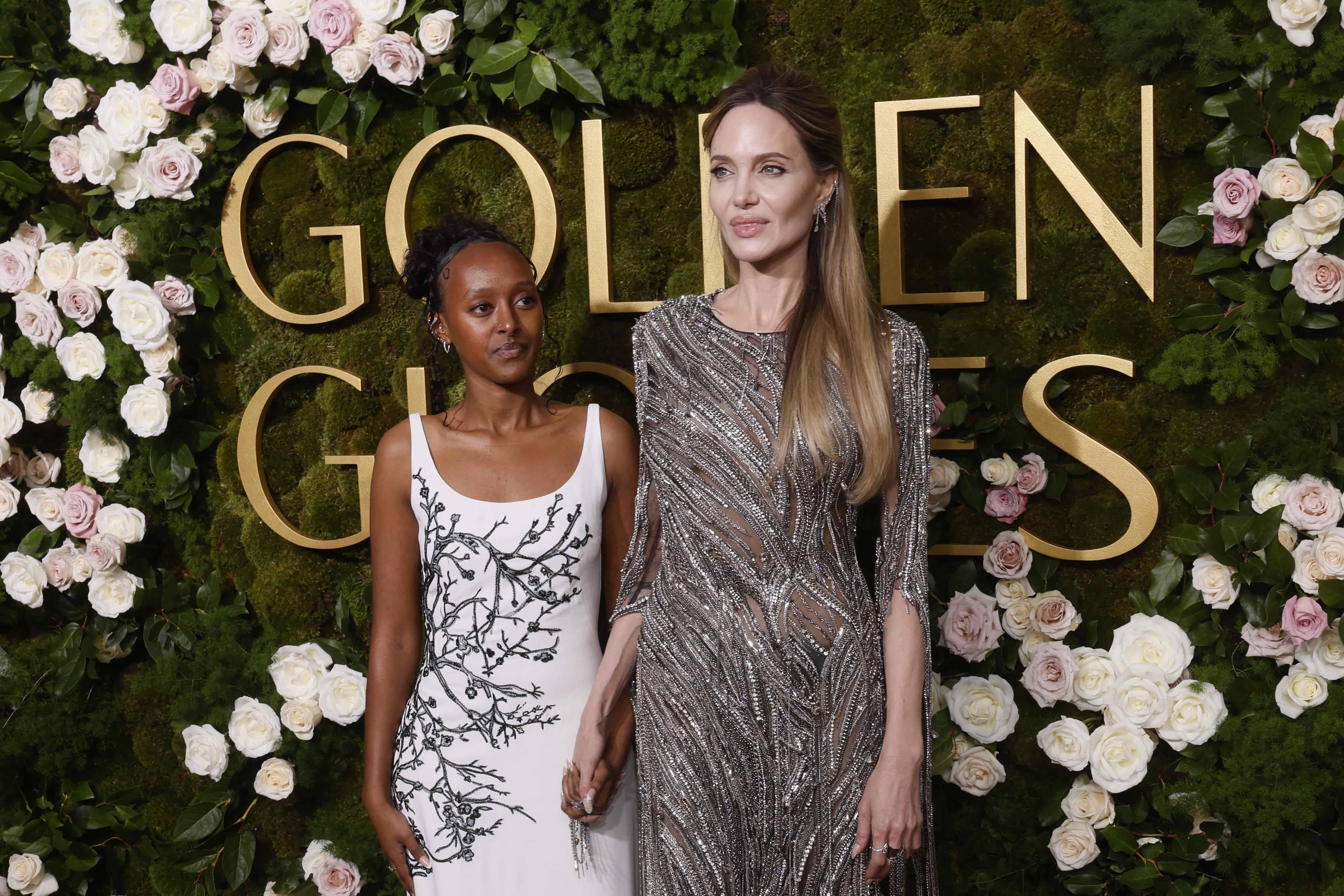
Recent reporting has also described Pitt as having little or virtually no contact with most of his children.
So when Pitt talks about his suffering, it’s worth asking a simple question:
What about theirs?
The problem isn’t that Pitt is talking about his mental health. He should be allowed to talk about it. Addiction and depression are serious subjects, and there is nothing inherently wrong with acknowledging that he went through an extraordinarily painful period.
The problem is what happens when a celebrity’s personal-growth narrative becomes so dominant that it threatens to turn accountability into a supporting character.
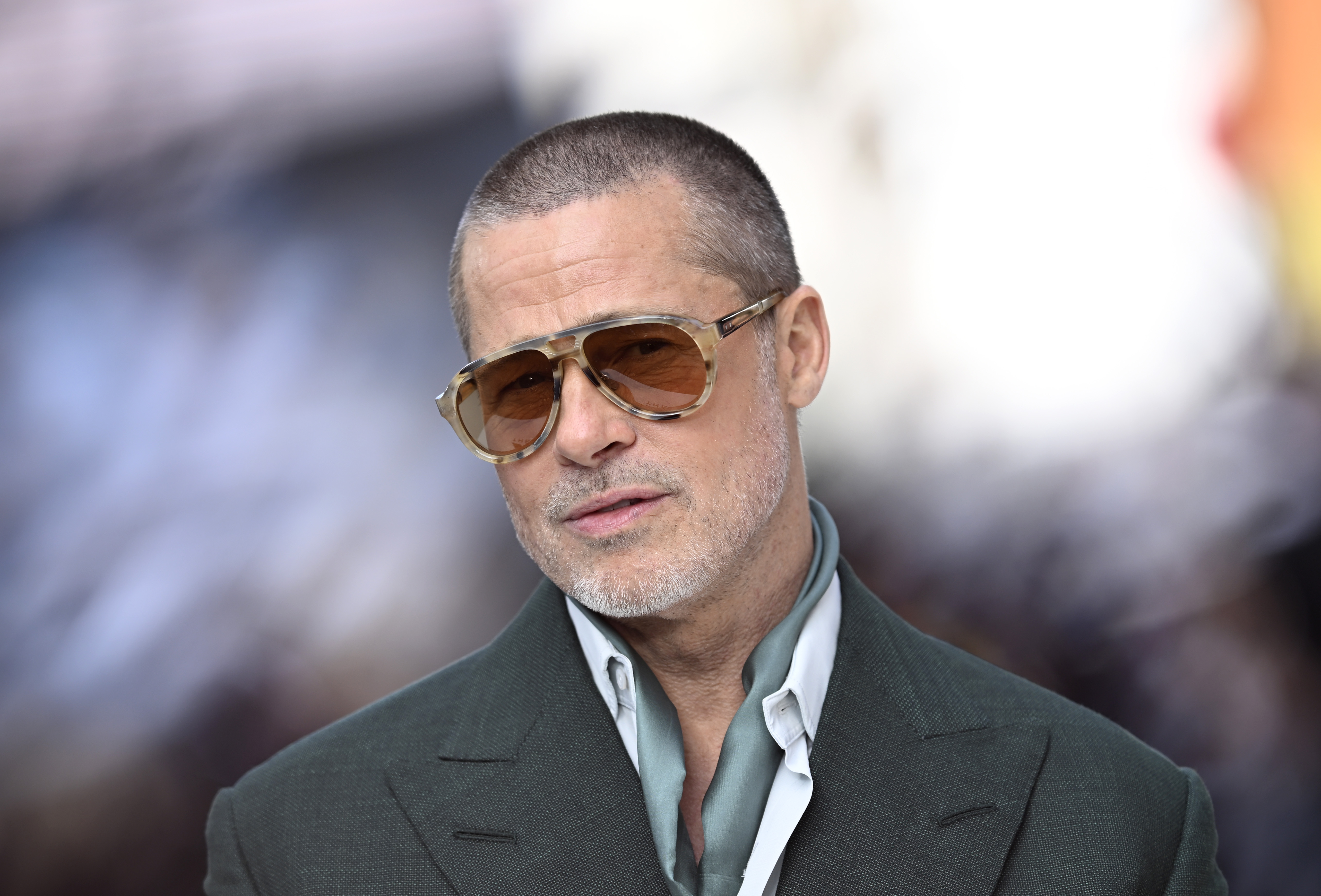
Pitt can be both a person who struggled with addiction and a person accused by his former wife of abusive behavior. He can have genuinely suffered during his divorce while other members of his family suffered too. He can have worked on himself while his children still wanted distance from him.
Those things aren’t mutually exclusive.
And if Pitt really wants to tell a story about redemption, perhaps the most important part isn’t how miserable he was.
It’s what he did to make things right with the people who were hurt.
That’s the part the public hears much less about.

Instead, we’re getting another round of Brad Pitt explaining Brad Pitt: his pain, his recovery, his regrets, his mental health, his relationship with alcohol and the lessons he learned.
Meanwhile, his children have been quietly making choices of their own.
They’ve grown up. They’ve built lives away from him. Several have removed his name from theirs. And, according to extensive reporting, most are estranged from their father.
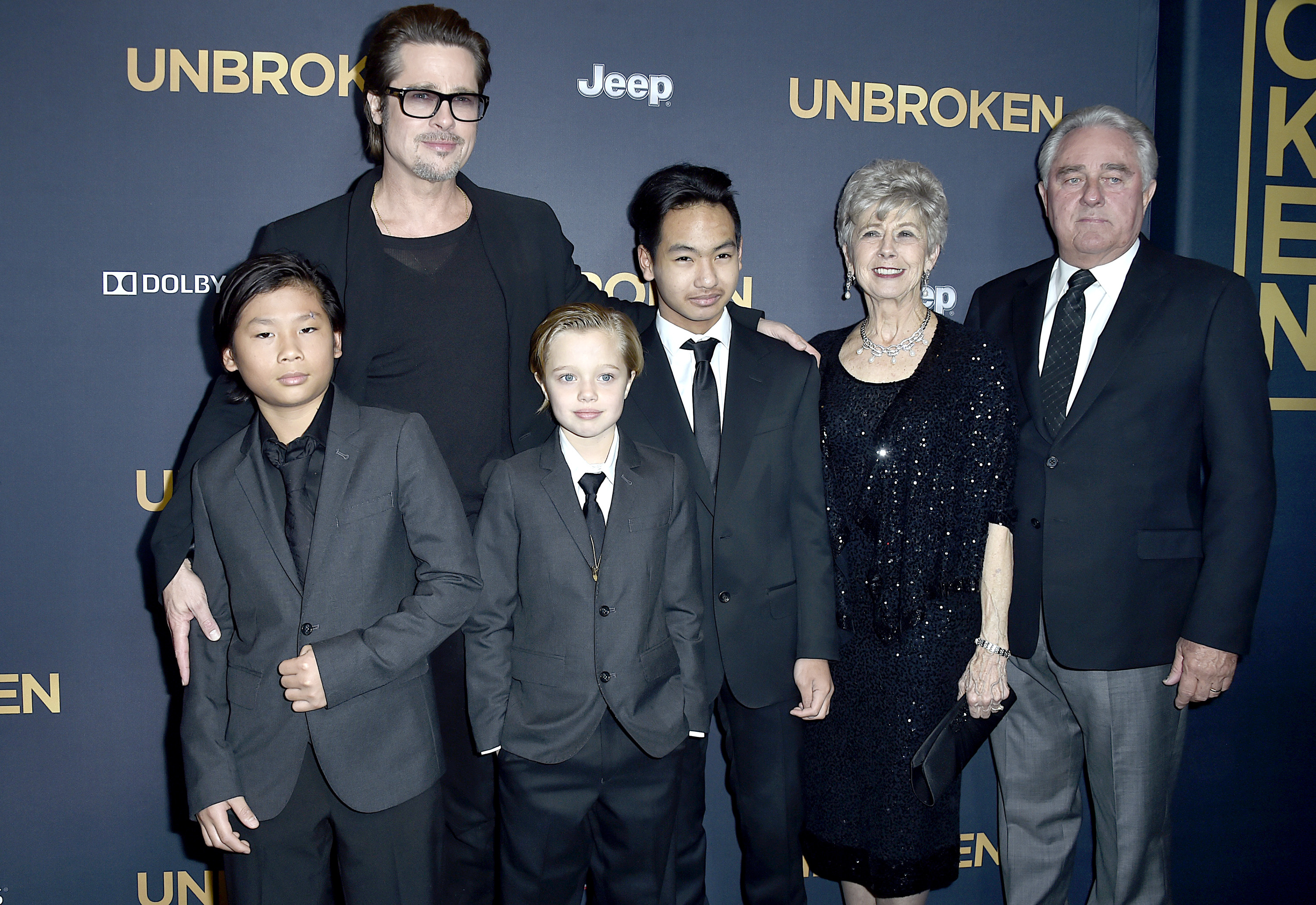
Maybe that doesn’t fit neatly into the redemption story.
But if we’re going to hear Brad Pitt’s side of the story over and over again, the people who lived through the fallout deserve to remain part of it, too.
Stay in the loop with Thought Catalog — follow us on Facebook or visit our website.