Tiktok Has Found Its Latest Hill to Die on: the Cheesecake Factory’s Skinnylicious Menu

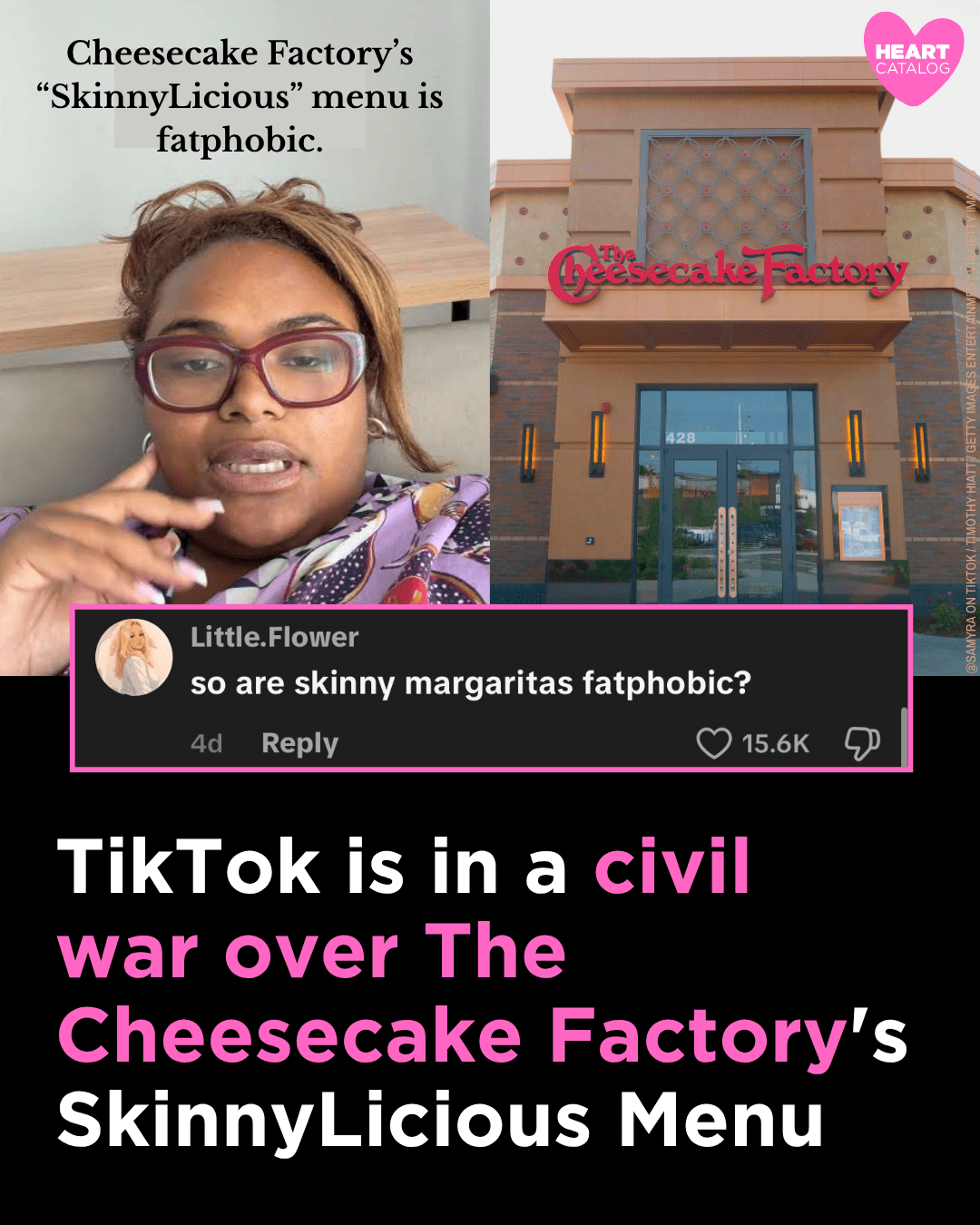
The Cheesecake Factory has somehow become the latest battleground in the internet’s ongoing culture wars—and this time, it’s all because of one word. Skinny.
A menu called SkinnyLicious, which has existed for years, suddenly exploded across TikTok after a viral video questioned whether the name is outdated and harmful. Within days, thousands of people were weighing in, turning what could have been a simple branding discussion into one of social media’s latest all-or-nothing debates.
Some users argued the name is rooted in diet culture and should be retired. Others thought the backlash was completely overblown. Before long, people weren’t just discussing a restaurant menu—they were arguing about health, body image, personal responsibility, marketing, and whether the internet was making a problem out of nothing.
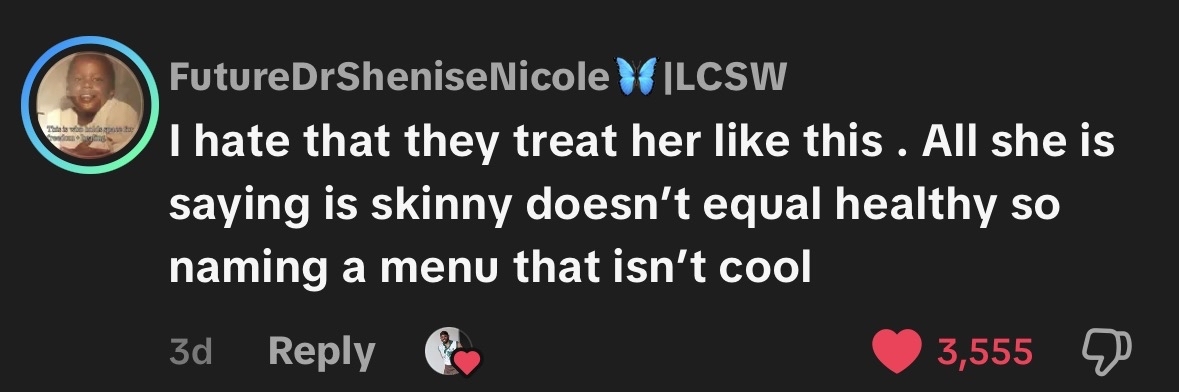
The conversation gained traction after TikTok creator Samyra Miller criticized the SkinnyLicious name, arguing that marketing food around being “skinny” reinforces the idea that thinness is something to aspire to, rather than health. Her point wasn’t that restaurants shouldn’t offer lighter meals. Instead, she questioned why companies still use body-focused language when promoting healthier options.
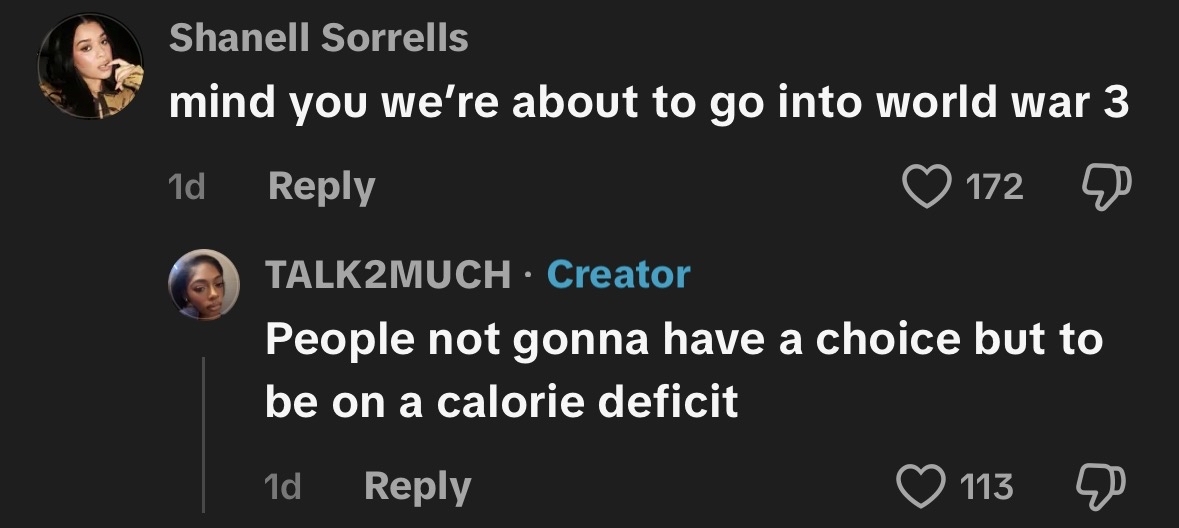
The criticism struck a nerve, and millions of views later, TikTok had divided itself into two very different camps. For critics, the issue isn’t the menu itself—it’s the branding. They argue that “SkinnyLicious” feels like a product of the early 2000s, when food marketing often revolved around getting thinner rather than eating nutritious meals. Many pointed out that today’s conversations around nutrition tend to focus more on health, energy, or overall wellness instead of body size. From that perspective, branding a menu around being “skinny” feels out of step with how many people now think about food. Some suggested the restaurant could easily rename the menu to something like “Fresh Favorites,” “Lighter Choices,” or “Balanced Plates” without changing the meals themselves.
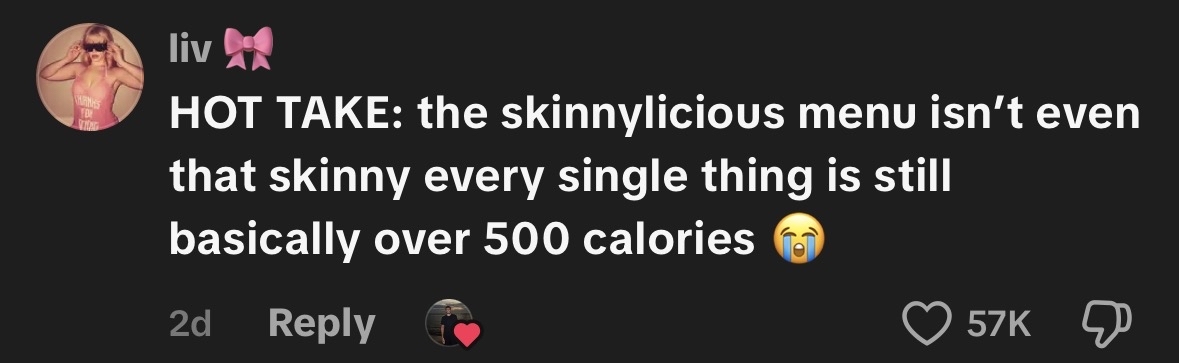
Team “People Are Reading Too Much Into It” had a very different reaction. Many users argued that SkinnyLicious is simply a recognizable brand name for lower-calorie meals and that critics were thinking too much. Some pointed out that people choose lighter menu items for countless reasons that have nothing to do with appearance. Fitness goals, medical conditions, calorie tracking, or simply wanting a smaller meal all came up repeatedly in the discussion. Others questioned why a restaurant should be criticized for making nutritional information easier to find in the first place. For this group, the controversy wasn’t about harmful messaging—it was another example of social media turning an ordinary product into a cultural flashpoint.
Then came the backlash to the backlash. As often happens online, the conversation didn’t stop with two opposing viewpoints. Soon, people were criticizing the people criticizing the critics. Some users joked that TikTok had found yet another issue to be offended by. Others argued that dismissing concerns about diet culture ignored the very real ways advertising shapes people’s relationships with food and body image. Before long, the discussion became less about The Cheesecake Factory than about the internet itself. Who gets to decide what’s offensive? Can a word mean different things to different audiences? Should companies update branding simply because cultural attitudes evolve? Like many viral debates, the original topic gradually faded into the background while broader philosophical arguments took over.
The SkinnyLicious discourse reflects a much larger shift in how people think about branding. Words that once sounded perfectly normal in advertising—like “skinny,” “guilt-free,” or even “cheat meal”—are increasingly being reexamined through the lens of modern conversations about body image and wellness. For some people, that evolution feels overdue. For others, it feels like unnecessary outrage over harmless marketing.
Neither side is really arguing about grilled chicken or salad. They’re arguing about what language communicates, whether branding influences culture, and how much weight should be placed on a single word.
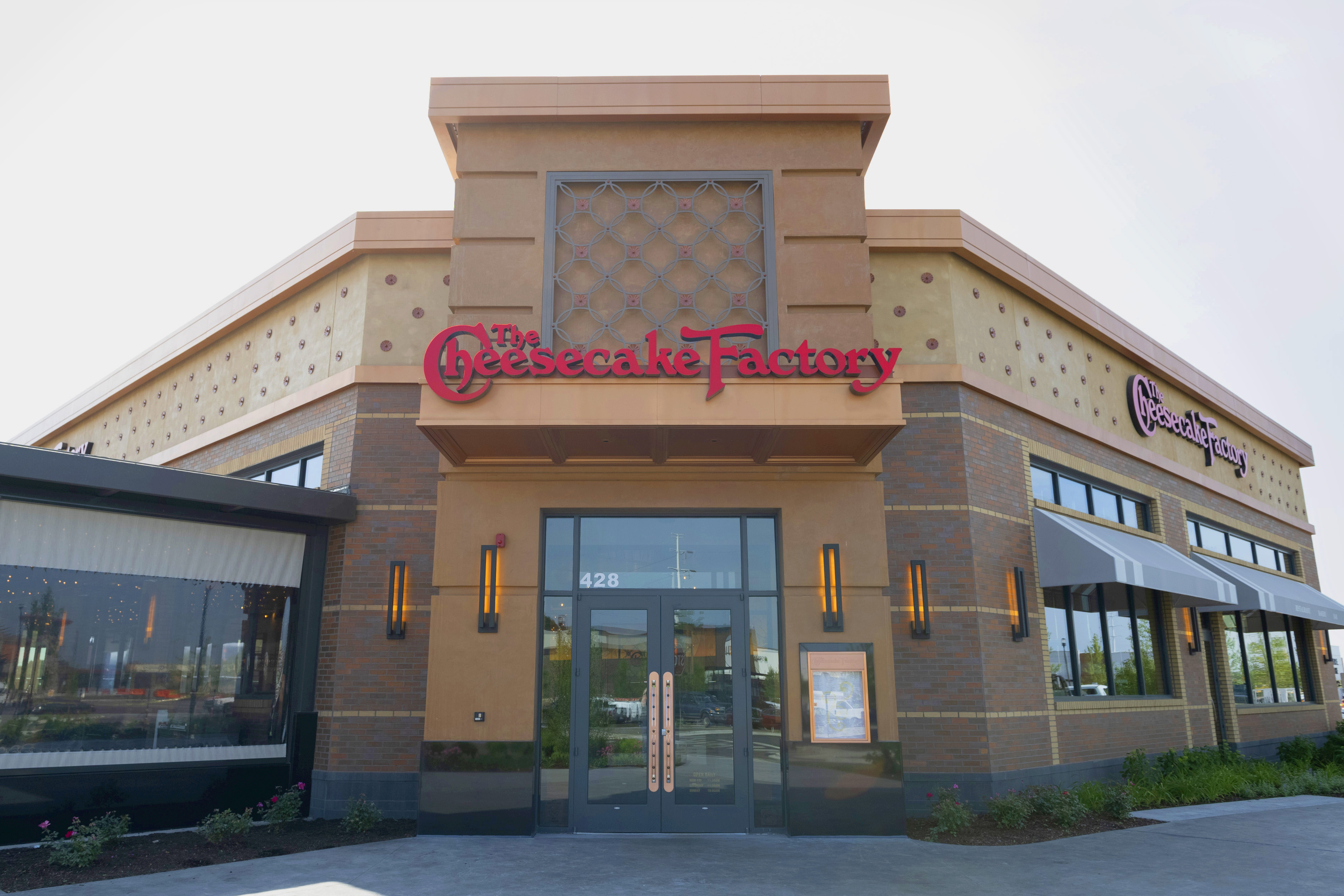
Whether you see “SkinnyLicious” as outdated branding or perfectly harmless marketing probably depends on your perspective. But if there’s one thing nearly everyone can agree on, it’s this: only TikTok could turn a menu that’s been around for years into one of the internet’s biggest debates of the week.
Thank you for reading. Catch all of Thought Catalog’s latest on Facebook and our website.