There Are an Estimated 350,000 Unsolved Homicides in the US Dating Back to 1965, and Experts Say the Thing That Cracks Them Open Isn’t DNA

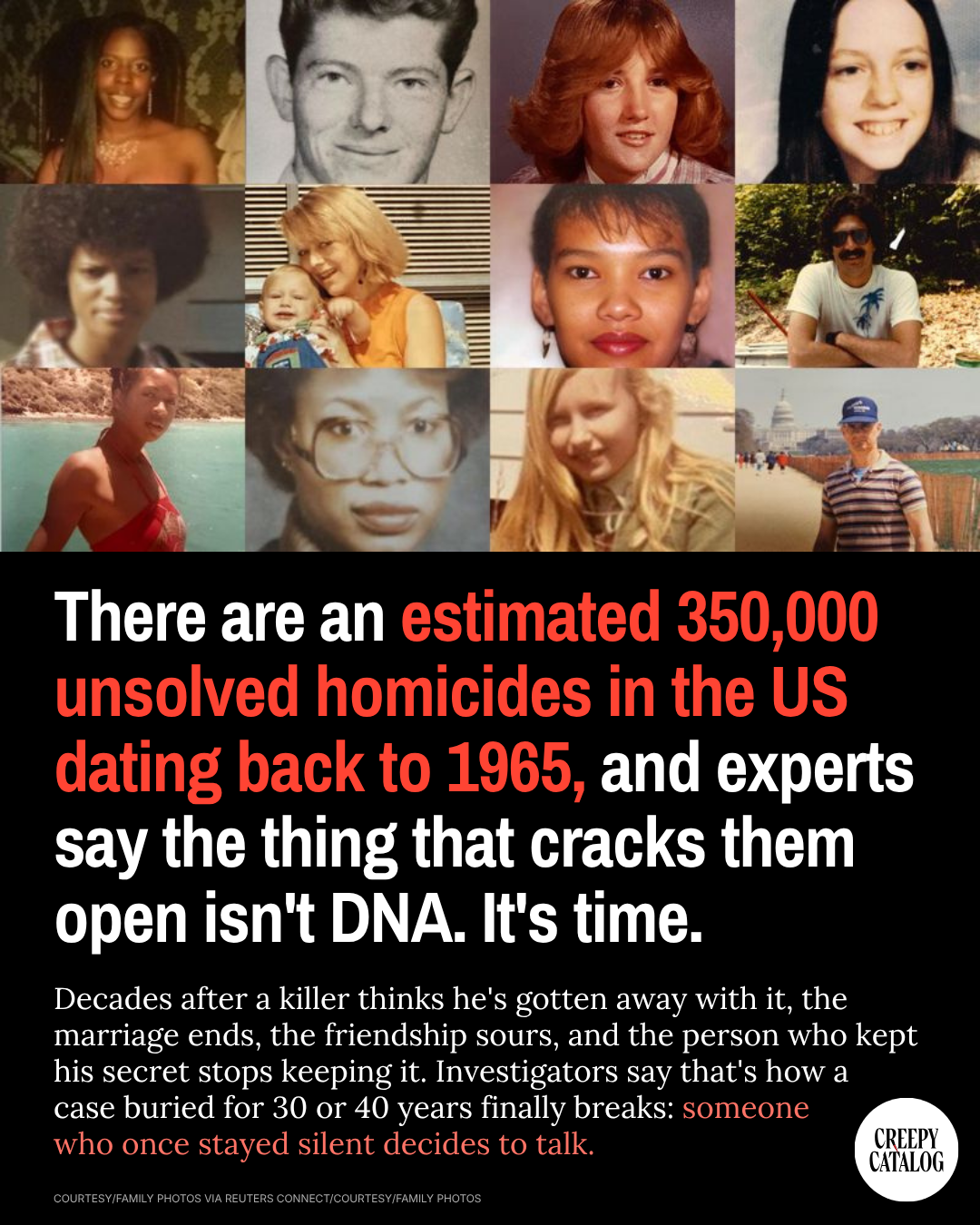
Most cold cases don’t break because of a lab breakthrough. They break because the people protecting a killer eventually stop. Here’s how investigators say decades-old homicides actually get solved — and why the tools that crack them can’t promise families the one thing they’re told to hope for.
Decades after a killer thinks he’s gotten away with it, the marriage ends, the friendship sours, and the person who kept his secret stops keeping it. Investigators say that’s how a case buried for 30 or 40 years finally breaks: someone who once stayed silent decides to talk.
A key witness moving away can freeze a murder case for decades. That same passage of time is often what solves it.
Joe Kennedy, a retired NCIS special agent and founder of the Carolinas Cold Case Coalition, says physical evidence, witness testimony and confessions are the three most common ways a cold case gets cracked. The catch is that those same three things are what let it go cold: evidence can’t be tested with current technology, suspects stop talking, and leads dry up.
Confessions do more work than most people expect. Kennedy says suspects often struggle with guilt for years, turning to alcohol or drugs, sleeping badly, moving often. “They have nightmares about having done it,” he said. “Part of what happens is they end up admitting it to someone,” anywhere from a barstool to a talk with a relative.
That’s roughly how the 1994 killing of Robin Warr Lawrence, a 37-year-old mother found dead in her Springfield, Virginia, home, was finally answered. Detectives identified Stephan Smerk through DNA in 2023, and hours after giving a sample he confessed. “I knew that I was going to kill somebody,” he told investigators. “I did not know who I was going to kill. Something inside of me just compelled me to do it.”
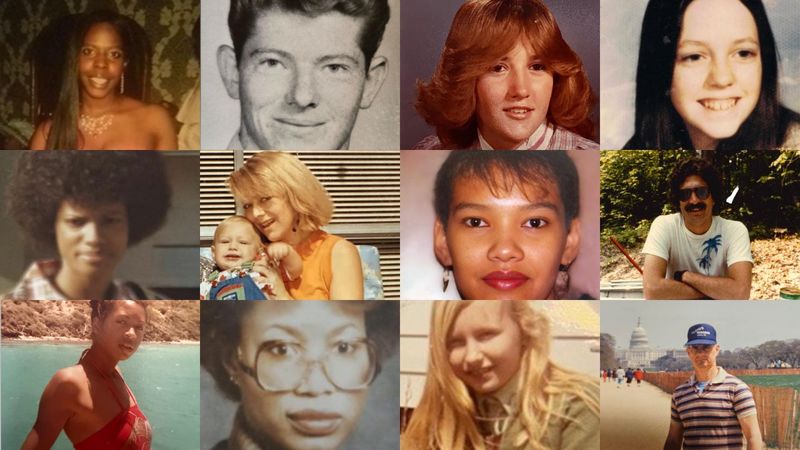
When no one talks, forensic genetic genealogy can fill the gap, matching crime-scene DNA to relatives through public databases built from services like AncestryDNA and 23andMe. It’s expensive, running $8,000 to $10,000 a case, which puts it out of reach for smaller departments weighing one investigation against a new police cruiser.
Kennedy pushes back on one word families are told to want. “That person, their mother, their cousin, their brother, they’re not coming back,” he said. “They’re never going to have closure. What we may be able to do is give families some resolution, so they’re not left wondering what happened.”
For more from Thought Catalog, follow along on Facebook or visit our website anytime.